
Transitioning into a formal educational environment represents a monumental shift for a child who has spent their early years primarily within a home or daycare setting. The anticipation of the first day often brings a mixture of excitement and anxiety, not just for the child but for the parents navigating this developmental milestone. In 2026, the kindergarten experience has evolved to include more structured learning and social integration than in previous decades, requiring a more proactive approach to readiness. Ensuring a smooth transition involves more than just purchasing a new backpack or a set of crayons; it requires a holistic strategy that addresses emotional, social, and physical preparation. By implementing intentional practices during the summer months, families can significantly reduce the stress associated with this change and set the foundation for a lifelong love of learning. A child who feels prepared is more likely to engage with the curriculum and form positive relationships with peers. This guide provides a comprehensive framework for parents to help their children navigate this exciting new chapter with confidence and resilience.
1. Explore Books About School at the Library
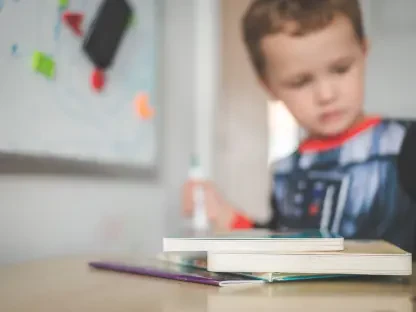
One of the most effective ways to demystify the concept of school is through the power of storytelling, which allows children to visualize their future experiences in a safe and supportive environment. Visiting a local public library offers a wealth of resources, including picture books specifically designed to address the common fears and curiosities associated with the first day of kindergarten. These narratives often depict relatable characters who encounter similar challenges, such as saying goodbye to parents or making new friends, which helps children realize that their feelings are entirely normal. As these stories are read aloud, a child can begin to internalize the structure of a typical school day and the various activities they might encounter, from circle time to recess. This early exposure helps to build a positive mental schema of what it means to be a student. Furthermore, the act of selecting books together creates a shared experience that reinforces the importance of education within the family unit.
Beyond the stories themselves, these reading sessions provide an ideal opportunity for parents to bridge the gap between fiction and reality by sharing their own positive memories of their time in the classroom. Discussing favorite teachers, playground games, or even the excitement of a new lunchbox can humanize the experience and make it seem like a natural rite of passage rather than a daunting obligation. It is essential to focus on the joy of discovery and the fun of meeting new people, as this helps to cultivate a sense of eager anticipation in the child’s mind. When a child hears that their parents also felt a bit nervous but ultimately loved school, it validates their emotions while providing a sense of security. This dialogue also allows for the clarification of any misconceptions the child might have about what school entails, ensuring they enter the building with a realistic and optimistic outlook. Consistent engagement with literature related to school life serves as a fundamental building block for emotional readiness.
2. Familiarize Your Child With the School Campus
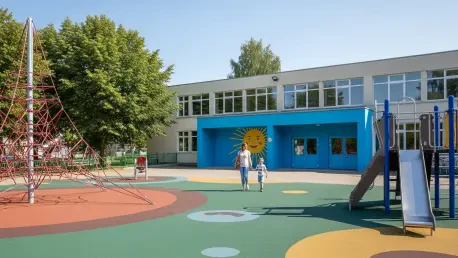
Familiarity with the physical surroundings of the school can greatly diminish the sense of the unknown that often fuels childhood anxiety. Once the specific school assignment is confirmed, making a regular habit of driving or walking past the campus can help the child feel a sense of ownership over their new environment. Pointing out the playground equipment, the colorful murals, or the main entrance helps the child visualize where they will be spending their time each day. This geographical recognition transforms a monolithic, intimidating building into a recognizable landmark in their daily lives. In 2026, many school districts have enhanced their outdoor learning spaces and security features, so observing these details can also be a point of interest for the child. Regular sightings of the school bus loading zone or the drop-off line can make these logistical aspects feel routine before they even begin. Establishing this visual connection ensures that the physical space feels like a welcoming destination rather than a foreign territory on that first morning.
If the school building is accessible during the summer months, taking advantage of a formal or informal tour can provide an even deeper level of comfort for a rising kindergartner. Stepping inside the hallways and seeing the layout of the cafeteria, the library, and the restrooms helps the child navigate the space more confidently when the school year officially commences. If a meeting with the principal or administrative staff can be arranged, it further personalizes the experience, showing the child that the school is filled with helpful adults who are invested in their well-being. Seeing a classroom setup, even if it is not their specific room, allows the child to imagine where they will sit and where they will store their belongings. These visits offer a chance to ask specific questions about the daily routine in the actual setting where those activities will take place. This proactive engagement with the school infrastructure acts as a bridge between the home environment and the academic world, fostering a sense of security and belonging well before the first bell rings.
3. Establish a Solid Morning Schedule
The transition to a school schedule often requires a significant adjustment in the morning routine, making it vital to establish a clear and efficient timeline well in advance. Parents should calculate exactly how much time is required for essential tasks such as waking up, getting dressed, eating a nutritious breakfast, and ensuring the backpack is ready by the door. In 2026, mornings can be particularly hectic, and a lack of preparation can lead to a rushed atmosphere that increases stress for both the child and the caregivers. By breaking down the morning into manageable segments, the child learns what is expected of them and can begin to take small steps toward independence. For example, knowing that breakfast happens at a specific time creates a sense of predictability. This structured approach helps the child understand that time management is a necessary part of their new role as a student. A calm and organized start to the day is crucial for ensuring that the child arrives at school in a positive frame of mind, ready to learn and interact.
Conducting occasional practice runs of the morning routine during the final weeks of summer can help iron out any logistical challenges before they become real-world problems on the first day of school. These rehearsals do not need to be daily, but performing them a few times allows the family to see if the allocated time for each task is realistic or if adjustments are necessary. During these sessions, the child can practice putting on their school clothes and packing their own bag, which builds confidence in their ability to manage their morning responsibilities. It also provides an opportunity to identify any potential friction points, such as a child who takes longer to wake up or a breakfast choice that is too time-consuming. Making these adjustments in a low-stakes environment prevents the first day of school from feeling like a chaotic race against the clock. When the actual day arrives, the child will already be familiar with the sequence of events, allowing them to focus on the excitement of the milestone rather than the pressure of the morning rush. Consistency in these early habits pays dividends throughout the year.
4. Mimic the School Lunch Timeframe
One logistical aspect of the school day that is frequently overlooked is the limited amount of time allocated for lunch, which typically spans only about twenty minutes in many modern elementary schools. For a young child used to leisurely meals at home, this condensed timeframe can be a significant hurdle to overcome. Using a timer during lunch at home can help a child understand the pace at which they need to eat to finish their meal within the allotted window. This practice is not about rushing the child, but rather helping them recognize how to balance eating with the social interactions that naturally occur in a cafeteria setting. In 2026, with a greater emphasis on nutritional requirements and social-emotional learning, schools strive to make lunch a productive time, yet the clock remains a factor. Training a child to focus on their meal ensures they receive the necessary energy to sustain them through the afternoon. This preparation helps prevent the common issue of children returning home excessively hungry because they were unable to navigate the time constraints of the school lunchroom.
Beyond the timer, it is important to consider the types of foods provided and how easily they can be consumed within that twenty-minute window. Helping a child practice opening various containers, such as thermoses, plastic bags, or juice boxes, is a practical skill that saves valuable minutes during the actual lunch period. If a child spends ten minutes struggling with a lid, they have significantly less time to consume their calories and rest before the next academic block. Parents should observe which items the child can manage independently and which might require a different packaging solution. This focus on efficiency also helps the child feel more capable and less reliant on busy cafeteria monitors who may be managing dozens of students at once. Ensuring a child is well-fed is directly linked to their ability to concentrate and regulate their behavior in the classroom. By mimicking the school lunch environment at home, parents provide their children with the tools they need to maintain their physical health and academic focus throughout the school day. This proactive step eliminates a major source of potential midday stress for the new student.
5. Foster Independent Self-Care Habits
Developing a high degree of independence in self-care and the management of personal belongings is a cornerstone of a successful transition to the kindergarten classroom. Teachers often have twenty or more students to supervise, making it essential for each child to be able to handle basic tasks like zipping up a jacket, putting on shoes, and managing their own backpack. Throughout the summer, parents should encourage their children to take the lead on these activities rather than doing them for the child out of convenience. For instance, choosing shoes with Velcro closures instead of laces can empower a child to be self-sufficient if they have not yet mastered tying. Practicing the opening and closing of lunch boxes and water bottles ensures that the child can access their food and hydration without delay. These small victories in autonomy build a child’s self-esteem and give them a sense of competence in their new environment. A child who can manage their own gear is less likely to feel overwhelmed or frustrated by the logistics of moving between the classroom, the playground, and the cafeteria.
In addition to managing physical items, a child should be well-versed in basic hygiene practices that are expected in a communal learning environment. This includes knowing how to wash their hands thoroughly with soap and water, especially before meals and after using the restroom. In 2026, health awareness remains a priority in schools, so teaching a child to cover their mouth with their elbow when coughing or sneezing is a critical social responsibility. These habits help to maintain a healthy classroom for everyone and reduce the frequency of illness-related absences. Parents can make these lessons engaging by using songs or visual reminders that reinforce the steps of proper hygiene. It is also beneficial for the child to practice using a public-style restroom, which may be different from the one they use at home. Being comfortable with these personal care routines allows the child to focus more of their mental energy on learning and playing rather than worrying about their basic needs. Empowering a child with these self-care skills fosters a sense of maturity and prepares them to navigate the social expectations of the modern kindergarten classroom.
6. Prioritize Daily Reading Sessions
Prioritizing daily reading sessions is perhaps one of the most impactful ways to prepare a child for the academic rigors of kindergarten and beyond. Exposure to a wide variety of texts enriches a child’s vocabulary and enhances their understanding of complex concepts and diverse perspectives. When a parent reads to a child, they are not only teaching literacy skills but also fostering a curiosity about the world that will serve the child well in a classroom setting. In 2026, the kindergarten curriculum often moves quickly, so having a strong foundation in language and listening comprehension can give a child a significant advantage. It is helpful to ask open-ended questions about the story, such as what the characters might do next or how they might feel, to encourage critical thinking. This interactive approach to reading helps the child develop the ability to follow a narrative arc and stay focused on a task for an extended period. Making reading a non-negotiable part of the daily schedule signals to the child that learning is a valued and enjoyable activity, creating a positive association with books and education.
Literacy preparation can also extend beyond the pages of a book into the everyday world, where children can begin to recognize the utility of letters and words in their environment. While running errands or walking through the neighborhood, pointing out signs, labels, and logos helps a child understand that text carries specific meanings and information. For example, recognizing a stop sign or the name of a favorite grocery store reinforces the connection between written symbols and real-world actions or locations. This incidental learning is a powerful way to build pre-reading skills without the pressure of formal instruction. Parents can play simple games, such as searching for a specific letter on a cereal box or identifying words that rhyme with objects they see. This practice helps to demystify the process of reading and makes it feel like an accessible and exciting skill to acquire. By integrating literacy into daily life, parents help their children develop a natural awareness of language that will be further cultivated by their kindergarten teacher. This holistic approach ensures that the child enters school with a solid foundation in communication and an eagerness to explore the world of text.
7. Participate in Orientation Programs
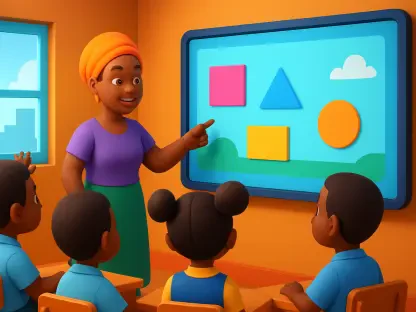
Participating in official school orientation programs, such as open houses or ‘meet the teacher’ nights, is an essential step in bridging the gap between home and school. These events are specifically designed to give families a first-hand look at the educational environment and to introduce the key figures who will be guiding the child’s learning journey. For a young child, seeing their assigned classroom, finding their desk or cubby, and meeting their teacher in person can transform an abstract concept into a tangible reality. In 2026, many schools use these sessions to demonstrate the technology and interactive tools that will be used in the classroom, giving the child a head start on understanding how their day will look. Attending these programs allows the child to ask questions and voice any concerns in a low-pressure setting. It also provides parents with an opportunity to establish a positive relationship with the teacher, which is crucial for ongoing communication throughout the school year. Making these events a priority demonstrates to the child that their education is important and that they are part of a supportive community.
Beyond the logistical benefits, orientation events offer a unique opportunity for children to observe and interact with their future classmates before the first day of instruction begins. Seeing other children who are also starting this new journey can be incredibly reassuring, as it helps the child realize they are not alone in their transition. These initial social interactions, even if they are brief, can lead to a sense of camaraderie and shared experience. A child might recognize a familiar face from the orientation when they walk into the classroom on the first day, which can significantly reduce jitters and promote a sense of security. Parents can also use this time to connect with other families, potentially forming a support network that benefits both the children and the adults. Understanding the layout of the school and knowing where key locations like the nurse’s office or the gym are located helps the child feel more confident navigating the building independently. This early exposure to the school culture and community creates a foundation of trust and familiarity that is essential for a successful start to the academic year and long-term student engagement.
8. Organize Private Playdates With Future Classmates
Organizing private playdates with future classmates is a proactive strategy that can facilitate the development of social connections and ease the transition into a group learning environment. When a child enters kindergarten already knowing a few of their peers, they are more likely to feel comfortable participating in group activities and making new friends. If the school does not have a formal mechanism for connecting parents, reaching out through local community groups or social media can be an effective way to identify other families in the same cohort. These casual meetups, whether at a park or a home, allow children to interact in a relaxed setting where they can practice social skills like sharing, taking turns, and cooperative play. In 2026, social-emotional development is recognized as a vital component of school readiness, and these early interactions provide a safe space for children to hone these abilities. Building a small circle of familiar faces before the school year starts can provide a significant emotional buffer, making the large and often busy classroom feel much smaller and more manageable for a young student during those critical first few weeks.
Utilizing the school’s own playground for these meetups can serve a dual purpose by fostering social bonds while simultaneously increasing the child’s comfort level with the school grounds. Meeting at the place where they will soon be spending their recess allows the child to associate the school with fun and friendship. During these playdates, parents can observe how their child interacts with others and provide gentle guidance on social cues and conflict resolution if needed. This also gives parents a chance to exchange information and tips about the upcoming school year, creating a collaborative atmosphere among the families. As children run, jump, and play together on the school equipment, they are building the physical and social confidence that will translate directly into the classroom. These informal gatherings help to demystify the social hierarchy of school and replace it with a sense of belonging to a specific group. By the time the first day arrives, the child will see the school not just as a place of learning, but as a place where their friends are, which is a powerful motivator for positive school attendance and engagement. Social readiness is just as important as academic preparation for a kindergartner.
9. Introduce the Concept of Daily Agendas
Introducing the concept of a daily agenda through the use of a visual calendar can help a child understand and anticipate the structured nature of a school day. Even if a child has not yet mastered reading, using a system of pictures or symbols to represent different activities can provide a clear roadmap of what to expect. For example, a picture of a sun can represent morning routines, a book for story time, and a swing set for recess. In 2026, visual aids are commonly used in classrooms to help students transition between tasks, so introducing this concept at home provides a helpful preview of school life. This approach helps to reduce the anxiety that often stems from not knowing what will happen next. By looking at the calendar together each morning, parents can help their child prepare mentally for the day’s events, whether it is a visit to a relative or a trip to the grocery store. This practice also introduces the concept of time and sequencing, which are important cognitive skills for young learners. A visual agenda transforms an abstract schedule into a concrete plan that the child can easily follow, fostering a sense of control and predictability.
Beyond just daily tasks, a visual calendar can be used to track the countdown to the first day of school, helping the child visualize the passage of time and the approach of this major milestone. Marking off each day with a sticker or a checkmark creates a sense of momentum and excitement. This structured approach to the summer schedule helps the child get used to the idea that some activities are fixed and others are flexible. It also provides opportunities to talk about the different parts of a school day and how they might differ from the child’s current routine. For instance, explaining that ‘circle time’ happens after ‘arrival’ helps the child understand the flow of events they will soon experience. This level of preparation is particularly beneficial for children who thrive on routine and may find sudden changes to their schedule challenging. By normalizing the idea of a planned day, parents are setting their children up for success in an environment where following a schedule is a daily requirement. This early introduction to organizational tools helps the child feel more prepared and less overwhelmed by the new expectations of the kindergarten classroom, leading to a smoother and more confident transition.
10. Gradually Shift Sleep Habits and Digital Usage
A gradual shift in sleep habits is essential for ensuring that a child is physically and mentally prepared for the early start times and high energy demands of a kindergarten classroom. Starting several weeks before the first day of school, parents should begin moving the child’s bedtime earlier by approximately five to ten minutes each night. This incremental approach allows the child’s internal clock to adjust without the shock of a sudden, drastic change in their sleep schedule. In 2026, the importance of adequate sleep for cognitive function and emotional regulation is well-documented, making this a priority for school readiness. A well-rested child is better equipped to handle the frustrations and challenges of learning new things and navigating social dynamics. In addition to an earlier bedtime, establishing a consistent wake-up time that mimics the school day is equally important. This routine ensures that the child has enough time to fully wake up and eat breakfast before they need to be focused and alert. Prioritizing healthy sleep hygiene is a fundamental step in supporting a child’s overall well-being and academic performance as they embark on their formal education.
Alongside the adjustment of sleep schedules, it is beneficial to begin limiting the time spent on digital devices such as tablets and smartphones as the school year approaches. Replacing screen time with activities that require more sustained focus and fine motor skills, such as playing board games, drawing, or riding a bike, helps to prepare the child’s brain for the classroom environment. While digital literacy is important in 2026, the ability to focus on a single task without the constant stimulation of a screen is a critical skill for a young student. Engaging in offline activities also provides more opportunities for face-to-face social interaction and physical movement, both of which are essential for a child’s development. Parents can introduce ‘screen-free zones’ or specific times of the day when devices are put away, encouraging the child to find alternative ways to entertain themselves. This shift helps to bridge the gap between the high-stimulation world of digital entertainment and the more structured, deliberate pace of a kindergarten classroom. By fostering a balance between technology and traditional play, parents help their children develop the attention span and social skills necessary for a successful and productive start to their school career.
Future Success and Long-Term Educational Growth
The implementation of these diverse strategies effectively addressed the multifaceted needs of children entering the kindergarten environment during the current academic cycle. By focusing on the integration of literary resources, physical familiarity, and social networking, families successfully mitigated the common anxieties associated with this significant developmental transition. The proactive adjustment of daily routines and nutritional habits ensured that students arrived at their new schools physically prepared for the demands of a structured schedule. Furthermore, the emphasis on autonomy and hygiene empowered young learners to navigate their environments with confidence and a sense of personal responsibility. These collective efforts not only prepared the children for the immediate challenges of the first day but also established a robust framework for long-term academic and social success. As the school year progressed, the benefits of this thorough preparation became evident in the students’ ability to engage with the curriculum and form meaningful connections with their peers and teachers. These foundational steps provided the necessary support for a seamless transition into the formal education system, setting a positive trajectory for future growth.