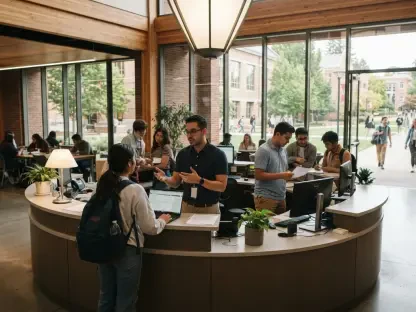

The Chromebook initiative draws on critical lessons from the COVID-19 pandemic, which highlighted the urgent necessity of digital tools for maintaining educational continuity during crises. This realization has culminated in a massive nationwide effort to equip the younger generation with the hardware required for a 21st-century economy. By launching this program in Islamabad, the government has signaled a departure from traditional laptop distribution, opting instead for the cloud-based efficiency of Chromebooks. Over the next two years, from 2026 to 2028, the administration plans to distribute half a million of these devices to high-achieving students who have demonstrated academic excellence. The objective is to ensure that talent, rather than financial standing, serves as the primary driver of success. This strategic move aims to transform a vast youth population into a sophisticated digital workforce capable of competing on a global stage while fostering a culture of innovation and research across the nation.
Bridging the Technological Gap in Modern Education
Implementing Merit-Based Distribution Systems
The Prime Minister’s Youth Chromebook Scheme operates on a strictly meritocratic framework, designed to reward students who have excelled in their secondary and higher secondary examinations. Unlike previous iterations of hardware distribution, this program maintains a rigorous selection process that targets top-tier performers across all provinces. The selection criteria are transparent and automated to prevent any bias, ensuring that the most hardworking individuals receive the tools they need to further their studies. By focusing on academic merit, the initiative encourages a competitive spirit among the youth, motivating them to achieve higher grades in hopes of securing a device. These Chromebooks are not merely gifts; they are investments in the intellectual capital of the country. As students transition from 2026 into the latter half of the decade, the presence of these devices in the hands of top performers is expected to elevate the general quality of academic research and digital literacy.
Promoting Inclusivity Across Diverse Educational Platforms
A unique aspect of this current rollout is its inclusivity toward registered religious seminaries, which are now being integrated into the mainstream digital education landscape. By treating seminary students and traditional school attendees with equal priority, the government is attempting to harmonize different educational sectors under a single technological umbrella. This approach ensures that every segment of the youth population has an equitable opportunity to access electronic libraries and global research repositories. The focus remains on providing these tools to those who have already shown the discipline and drive necessary to utilize them effectively for national development. Integrating these diverse institutions into the program helps reduce the societal divide between religious and secular education. It provides a common platform for all students to develop technical skills that are essential in the modern job market, regardless of their institutional background or their specific field of study.
Expanding the Reach of Digital Literacy Initiatives
Integrating Connectivity Through Advanced Hardware Packages
Providing hardware is only half of the equation; the current scheme addresses the infrastructure gap by including a high-speed MiFi device with every Chromebook package. This decision acknowledges the reality that many students reside in areas where reliable internet access is either prohibitively expensive or physically unavailable. Each MiFi connection is engineered to support multiple users simultaneously, creating a ripple effect that extends beyond the individual recipient. Officials estimate that the 500,000 distributed units will actually provide high-speed connectivity to approximately 2.5 million individuals, effectively turning a student’s home into a localized digital learning hub. This multiplier effect is central to the program’s success, as it allows siblings and peers to benefit from the same technological investment. By pairing portable cloud-centric laptops with dedicated internet hardware, the initiative builds a sustainable foundation for remote learning that can withstand future disruptions.
Strategic Roadmap: Enhancing the Long-Term Digital Ecosystem
The initial distribution phase established a vital precedent for future educational reforms by prioritizing cloud-based infrastructure over local storage. Moving forward, the focus shifted toward establishing regional maintenance centers and software support hubs to ensure the longevity of these 500,000 devices. Stakeholders recognized that hardware alone could not solve the digital divide without a corresponding update to national curricula that emphasized coding, data analysis, and digital literacy. Educational authorities worked to integrate standardized online testing and collaborative platforms into everyday classroom activities. By fostering an environment where students routinely utilized digital tools for research and communication, the program moved toward a sustainable ecosystem of continuous learning. Future iterations will likely include expanded vocational training modules and internships tailored for Chromebook users, linking academic achievement directly to workforce readiness. This transition ensured that the investment in technology resulted in tangible economic contributions.