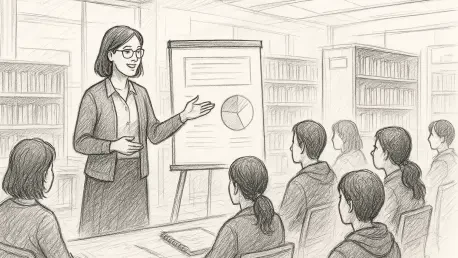

Direct outreach programs bridge the gap between libraries and schools by facilitating on-site card registration and information literacy workshops. This strategic initiative, spearheaded by the Center for Educators and Schools, underscores a commitment to equitable access across New York. As the academic landscape shifts in 2026, students and teachers alike require more than just physical books; they need a robust digital infrastructure that supports diverse learning styles and linguistic backgrounds. By integrating library resources directly into the classroom environment, the institution ensures that historical barriers to information are systematically dismantled. This approach allows for a more fluid exchange of ideas between public institutions and the educational community, fostering a localized support system that adapts to the specific needs of different neighborhoods. Rather than waiting for students to seek out help, the library actively embeds itself into the school day, providing the essential tools for success.
Expanding Digital Learning Through Real-Time Assistance
One of the most significant advancements in student support is the implementation of the Brainfuse platform, which offers 24/7 one-on-one tutoring services. This resource is particularly valuable because it caters to a wide variety of subjects and provides instruction in both English and Spanish, with specialized Mandarin support available during high-demand hours. For students struggling with late-night assignments or complex mathematical concepts, this direct access to human experts provides a lifeline that complements classroom instruction. Moreover, the digital interface allows for a collaborative learning environment where students can share screens and work through problems in real time. By providing this service at no cost, the library effectively levels the playing field for those who cannot afford private tutoring services. This digital expansion ensures that academic assistance is no longer a privilege of the few but a right for every student, reinforcing the institution’s role as a primary pillar of the New York educational ecosystem.
Building upon the tutoring framework, the library has significantly curated its digital media offerings to include specialized platforms like Docuseek and Comics Plus. These tools allow educators to introduce high-quality documentaries and graphic novels into their curricula, providing alternative gateways for students who may struggle with traditional text-heavy materials. Furthermore, the inclusion of Scholastic Teachables provides teachers with a massive repository of lesson plans and activity sheets specifically designed for learners from pre-K through the 6th grade. These materials are not just supplementary; they are meticulously vetted to align with state standards, saving educators valuable time in lesson preparation. This transition toward multi-modal learning acknowledges that modern students consume information in diverse formats. By providing these tools for free, the library helps teachers create more engaging and inclusive classrooms that cater to visual learners and those looking for deep-dive explorations into social issues and history.
Streamlining Resource Access for Educators and Students
To facilitate the use of these vast collections, a specialized educator card was introduced to provide enhanced benefits for those working in New York State schools. This card grants teachers extended loan periods and higher checkout limits, allowing them to bring entire classroom sets of books into their lessons without the typical constraints of a standard library membership. This policy change recognizes the unique logistical challenges faced by teachers who must manage materials for dozens of students simultaneously. Beyond the physical card, the library’s outreach team has been instrumental in bringing these benefits directly to the youth. Librarians now regularly visit local schools to host card registration drives and conduct workshops on digital literacy. These sessions are designed to empower students with the skills needed to navigate large databases and verify information in an age of digital misinformation. By creating these direct connections, the library ensures that every educator and student is fully equipped with the resources they need.
The library’s commitment to student success culminated in the expansion of the Tisch Youth Education Program, which integrated after-school help with career planning. This initiative offered drop-in homework assistance while providing older students with dedicated college readiness counseling. Counselors worked one-on-one with high schoolers to navigate the complexities of financial aid and university applications, ensuring the path to higher education remained accessible. Additionally, the program leveraged archival Broadway recordings to bring professional arts education into the classroom, allowing students to experience world-class performances previously out of reach. Educators utilized these resources by subscribing to specialized newsletters that provided monthly teaching tips and downloadable worksheets. Moving forward, stakeholders should continue to integrate these free services to maximize student engagement. These successful efforts proved that public institutions can effectively transform into dynamic partners in the pursuit of academic excellence.