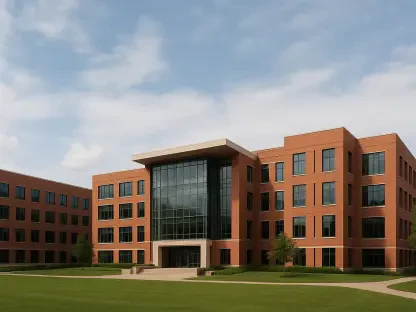

The rapid transformation of former rural landscapes into bustling residential hubs requires a level of infrastructure delivery that traditionally takes decades to manifest, yet the early completion of the Nirimba Fields Public School serves as a benchmark for modern urban planning. This development arrives as a significant relief to families in the Blacktown region, where population growth has consistently outpaced the provision of essential services. By prioritizing this facility, educational authorities have addressed a critical gap, ensuring that hundreds of students no longer face long commutes to neighboring suburbs that are already at capacity. The project signifies more than just a new building; it represents a coordinated effort to align housing development with social infrastructure, fostering a sense of stability for a community in transition. With permanent learning spaces and a range of specialized facilities, the school is poised to become the heart of the area, providing a foundation for academic success while accommodating the evolving needs of a diverse and growing demographic.
Efficiency: A New Era for Educational Construction
Design: Leveraging Modular Integration and Logistics
The primary driver behind the accelerated completion of this educational facility was the widespread implementation of modern methods of construction, which emphasizes off-site fabrication and precision engineering. By manufacturing structural components in a controlled factory environment simultaneously with site preparation, the project team effectively bypassed the delays typically associated with traditional brick-and-mortar builds. This modular approach allowed for the rapid assembly of classrooms, the library, and administrative wings once the foundations were set, drastically reducing the noise and dust pollution usually experienced by surrounding residents during long construction cycles. Furthermore, the use of high-quality, pre-engineered materials ensured that the buildings met stringent environmental standards while maintaining a high level of aesthetic appeal. This shift toward industrialised construction techniques is becoming the standard for public works, proving that quality and speed can coexist when innovative engineering is placed at the forefront of the design phase.
Policy: Implementing Expedited Development Frameworks
Beyond the technical aspects of the build, the project benefited from a streamlined regulatory framework designed to eliminate the bureaucratic bottlenecks that frequently stall large-scale infrastructure. Collaborative efforts between the Department of Education and local planning authorities ensured that environmental assessments and safety certifications were processed through a dedicated fast-track system. This integration of policy and practice meant that site managers could respond to challenges in real-time, adjusting logistics and resource allocation without waiting weeks for administrative approval. The use of digital twins and real-time project management software allowed stakeholders to visualize progress and identify potential conflicts before they became costly delays. Such foresight enabled the delivery of the school’s core facilities, including the multipurpose hall and canteen, ahead of the projected timeline. This model of proactive management serves as a valuable case study for future developments, demonstrating that institutional agility is just as crucial as physical construction speed.
Community: Long-Term Impacts on Local Development
Inclusion: Providing Specialized Support and Resources
Focusing on inclusive education, the school features dedicated support classes and specialized facilities that cater to students with various learning requirements and disabilities. These spaces were designed with accessibility as a core tenet, moving away from the exclusionary models of the past to ensure that every child can participate fully in the school experience. Sensory rooms, quiet zones, and adaptive technology have been integrated into the classroom layouts, providing teachers with the tools necessary to tailor their instructional methods to individual needs. This commitment to inclusivity extends beyond the physical layout, as the school has recruited a team of specialized staff trained in the latest pedagogical techniques for diverse learners. By fostering an environment where support is baked into the infrastructure, the school promotes social cohesion and emotional well-being among the student body. The presence of these facilities ensures that families do not have to seek out distant specialized centers, reinforcing the role of the local public school.
Strategy: Future Considerations for Infrastructure Growth
The successful early delivery of this facility established a new standard for how public agencies approached the intersection of urban growth and essential service provision. It was clearly observed that the integration of sustainable technologies, such as solar arrays and sophisticated water harvesting systems, significantly reduced the long-term operational costs of the campus. Administrators and planners prioritized the creation of flexible learning environments that could evolve as educational trends shifted. This proactive stance provided a framework for other regions facing similar demographic shifts, suggesting that early investment in high-quality infrastructure prevented the social friction often caused by overcrowded classrooms. Moving forward, the focus remained on maintaining these high standards through ongoing professional development and community engagement programs. The project demonstrated that when innovation and policy were aligned, the resulting infrastructure not only met the immediate needs of the population but also secured a more resilient landscape.