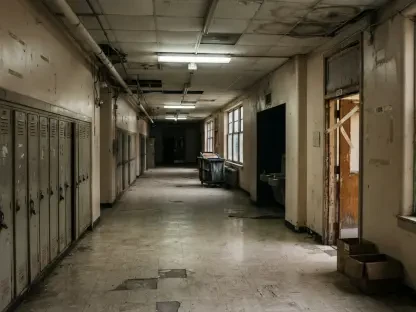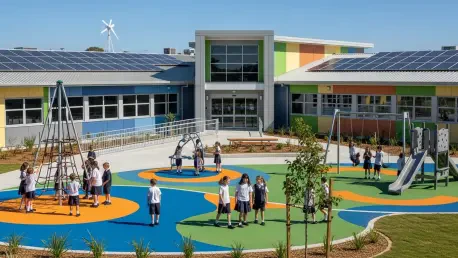

The state of Michigan has recently funneled a significant financial injection into Macomb County, targeting the revitalization of aging educational infrastructure to ensure students have access to modern learning environments. These grants, totaling millions of dollars, aim to address long-standing issues within various school districts, ranging from outdated heating systems to the need for advanced security protocols. By prioritizing these improvements, state officials hope to create a more equitable educational landscape where every child can thrive regardless of their zip code. The allocation of these funds reflects a broader commitment to investing in the future workforce, recognizing that well-maintained facilities are fundamental to student engagement and teacher retention. Educators have long argued that the physical condition of a school significantly impacts the psychological well-being of its occupants, making these upgrades a critical component of state-level education policy. This initiative serves as a blueprint for statewide modernization efforts moving forward.
Physical Security and Environmental Standards: The Path to Modernization
Safety and security stand at the forefront of the planned upgrades, with a substantial portion of the funding earmarked for hardening school perimeters and installing advanced surveillance technology. Many districts in Macomb County are transitioning to biometric access control systems and integrated alert networks that allow for instantaneous communication with local law enforcement during emergencies. Beyond physical security, these improvements also encompass the modernization of fire suppression systems and the removal of hazardous materials like lead and asbestos, which have plagued older buildings for decades. The implementation of high-efficiency HVAC systems not only ensures a healthier indoor air quality but also reduces the long-term operational costs for the schools, allowing more tax dollars to be redirected toward classroom instruction. These structural enhancements are designed to be sustainable, utilizing modern materials that require less maintenance over the coming decade. The integration of such technologies marks a departure from reactive maintenance toward proactive facility management.
Community leaders and school administrators established clear frameworks for the immediate deployment of these funds to ensure that the most pressing projects reached completion by the next academic cycle. They focused on creating transparent bidding processes for local contractors, thereby stimulating the regional economy while simultaneously improving the public school system. Moving forward, districts adopted a long-term strategy of lifecycle assessment for all new equipment, ensuring that replacements were planned well in advance to avoid future budget shortfalls. Strategic partnerships with energy providers enabled schools to leverage additional rebates for green technology installations, further stretching the impact of the state’s investment. Policymakers emphasized the importance of regular audits to track the effectiveness of these upgrades on student performance and attendance rates. By establishing these rigorous standards, the county laid the groundwork for a self-sustaining model of infrastructure maintenance that prioritized the safety and academic growth of every student in the system for years to come.