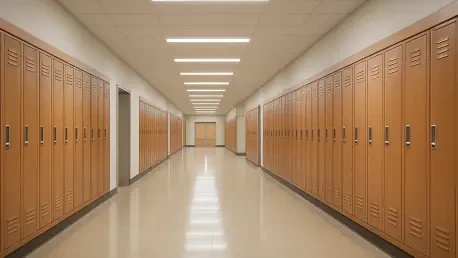

As the second bond attempt since 2021, the current ballot represents a pivotal moment for determining the level of investment Lewistown is willing to commit to its educational future. On September 7, 1986, the community of Lewistown celebrated a transformative moment in its local history with the dedication of Fergus High School, an event that signified a multi-generational commitment to excellence. At the time, officials predicted the investment would sustain Central Montana as a premier place to live for at least five decades. However, as the school approaches its fortieth year of continuous service, the Lewistown Public School’s Board of Trustees must navigate the reality that the facility requires significant intervention to remain a viable pillar of the community. This historical pattern of persistence is once again relevant, as the current board evaluates whether the structural and educational foundation laid decades ago can still meet the demands of a modern student body.
Learning from the Limitations of the Past
Before 1986, educators and students struggled in an environment that lacked basic modern necessities, such as adequate electrical outlets and accessible floor plans. The old building’s infrastructure was so limited that it posed constant logistical challenges, including the absence of a dedicated kitchen for hot lunches, which forced staff to set up temporary food service areas in hallways. This required the labor-intensive process of transporting dirty dishes to another building for washing, a situation that would be untenable today. Beyond electrical issues, the lack of an elevator rendered the previous building inaccessible to many, while outdated wiring created a persistent fear of electrical fires during large public events. These deficiencies serve as a stark reminder of the risks associated with allowing school infrastructure to fall into a state of total obsolescence. By analyzing these historic failures, the community can better understand why modernizing the current site is essential.
While the 1986 building was a massive leap forward, the rapid pace of technological and social change means that even a well-built facility eventually requires a comprehensive overhaul to stay relevant. Transitioning to the current high school solved many historic problems, providing a safe and sophisticated environment for generations of learners, yet maintaining that standard requires proactive care rather than reactive fixes. Veteran teachers who have worked in both eras emphasize that the building’s current state, though structurally sound, is beginning to show the wear of four decades of constant use. The goal of the current proposal is to ensure that the structural and educational foundation does not erode but evolves to meet contemporary standards. This perspective highlights the necessity of addressing maintenance needs before they escalate into the kind of systemic failures that plagued the district prior to the 1986 construction, ensuring the facility remains functional for another forty years.
Modernizing Infrastructure for Safety and Success
The current bond proposal is specifically designed to protect students, skillsets, and facilities by addressing critical infrastructure needs that have emerged over the last forty years. While the core structure of Fergus High School remains a point of pride, trustees acknowledge that essential components like the roof now require immediate attention to prevent internal damage and maintain air quality. This focus on the “bones” of the building ensures that the community’s previous investment is not squandered through neglect. Furthermore, these improvements are intended to support the vocational programs that define the Fergus experience, providing students with the tools and environments necessary to develop professional skillsets. For example, the school acts as a vital incubator for local talent, producing the doctors and business owners who keep Lewistown thriving. By providing a modern environment for internships and specialized training, the district ensures that students remain connected to their roots.
A primary driver of the current modernization effort is the implementation of secure entryways to protect students from contemporary external threats. In the mid-1980s, security concerns primarily focused on fire hazards and basic building safety, but the landscape of school security has shifted significantly since then. The proposed updates include sophisticated access control systems that have already been integrated into the district’s elementary and junior high schools. As safety standards evolve, the high school must adapt to ensure that students can learn in an environment free from unauthorized intruders. Implementing these measures is a necessary response to the current social climate, ensuring that Fergus High School meets the same rigorous safety protocols as the rest of the district. This investment in physical security is viewed as a non-negotiable standard for modern education, providing peace of mind for parents and staff while reinforcing the school’s role as a safe haven for local youth.
Strategic Pathways for Long-Term Institutional Health
The comprehensive analysis of the district’s needs indicated that the 40th anniversary of the facility served as a critical decision point for the community’s future. Stakeholders recognized that the school was more than just a place for classes; it functioned as a professional pipeline for the town, producing the doctors, business owners, and teachers who sustain the local economy. The legacy of the 1986 dedication was honored by identifying actionable next steps, such as the immediate replacement of aging roofing systems and the installation of modern security vestibules. By addressing these issues now, the board moved to secure the educational and economic future of the region for several decades. The findings suggested that the vitality of the town remained closely linked to the functionality of the high school, making proactive maintenance a strategic economic priority. These steps were taken to ensure that the commitment to excellence established in the past would continue to benefit new generations.
Ultimately, the board’s vision focused on ensuring that the high school remained a central hub for social and cultural life in Central Montana. Allowing the building to fall into disrepair would have disadvantaged students and diminished the community’s ability to host significant regional events like state-level athletic competitions and cultural gatherings. The strategic move to pass the current bond was presented as a method to preserve the town’s identity and institutional memory. Looking forward, the district sought to establish a recurring maintenance schedule to prevent future infrastructure crises, emphasizing that small, consistent investments are more sustainable than large, emergency bond requests. This approach fostered a sense of continuity and tradition, ensuring that the school could continue to act as a catalyst for success. By prioritizing these structural and safety upgrades, the community confirmed its dedication to providing a top-tier environment for its students and staff.