
The recent enactment of the Pennsylvania state budget marks a fundamental shift in how the commonwealth prioritizes the safety and emotional stability of its youngest citizens through legislative reform. Under the leadership of Governor Josh Shapiro, this comprehensive overhaul allocates more than $900 million toward a public education system that seeks to address far more than just academic performance metrics. By integrating health, security, and financial equity into the core of the school code, the state is acknowledging that a child’s ability to learn is inextricably linked to their physical and psychological environment. This massive investment moves the needle away from traditional, narrow focuses and toward a more holistic model designed to protect every student regardless of their economic background. It sets a new standard for how modern educational systems should function as protective hubs for the community, ensuring that schools are safe havens where children can thrive without fear or lack of resources.
Bridging the Gap Through Strategic Resource Allocation
Central to this legislative shift is the commitment to educational equity, which is supported by $565 million specifically designated as adequacy funding for under-resourced districts. This financial mechanism is intended to rectify long-standing imbalances where school districts with limited local tax bases struggled to provide the same opportunities as their wealthier neighbors. By channeling these funds toward the schools that need them most, the state is actively working to dismantle the barrier where a student’s zip code determines the caliber of their education. This approach ensures that schools can hire more specialized staff, reduce class sizes, and provide updated learning materials that were previously out of reach. Furthermore, the targeted nature of this funding allows for local administrators to address unique challenges within their specific communities, fostering a sense of fairness that extends across the entire commonwealth’s diverse educational landscape.
In addition to closing the equity gap, the new school code reserves $100 million for the critical intersection of mental health and campus security, recognizing that psychological safety is the foundation of student success. This funding is not merely for hardware like metal detectors, but rather for a comprehensive support system that includes counseling services and behavioral health professionals. By placing mental health resources directly within the school environment, the legislation provides students with immediate access to help when they are facing crises or chronic stress. This proactive stance is designed to identify and mitigate potential threats before they escalate, creating a culture of vigilance and care. The integration of security and wellness reflects a sophisticated understanding that a truly safe school is one where students feel heard, valued, and emotionally supported. These resources empower educators to manage the complex social dynamics of modern adolescence with greater sensitivity.
Safeguarding Students in the Digital and Physical School Environment
As social interactions increasingly migrate to digital platforms, the updated school code introduces rigorous mandates to combat the pervasive issue of cyberbullying and harassment. School districts are now required to establish clear, modernized policies that include specific disciplinary consequences and immediate notification to parents when an incident occurs. A groundbreaking component of this regulation involves the management of artificial intelligence, which has created new avenues for deepfake harassment and sophisticated digital bullying. Administrators are now tasked with tracking and reporting these AI-specific incidents to ensure that the law keeps pace with technological advancements. By creating a standardized framework for digital accountability, the state provides a clear roadmap for schools to protect students from the emotional trauma often associated with online abuse. This level of oversight is essential in an era where the lines between a student’s home life and school life are frequently blurred.
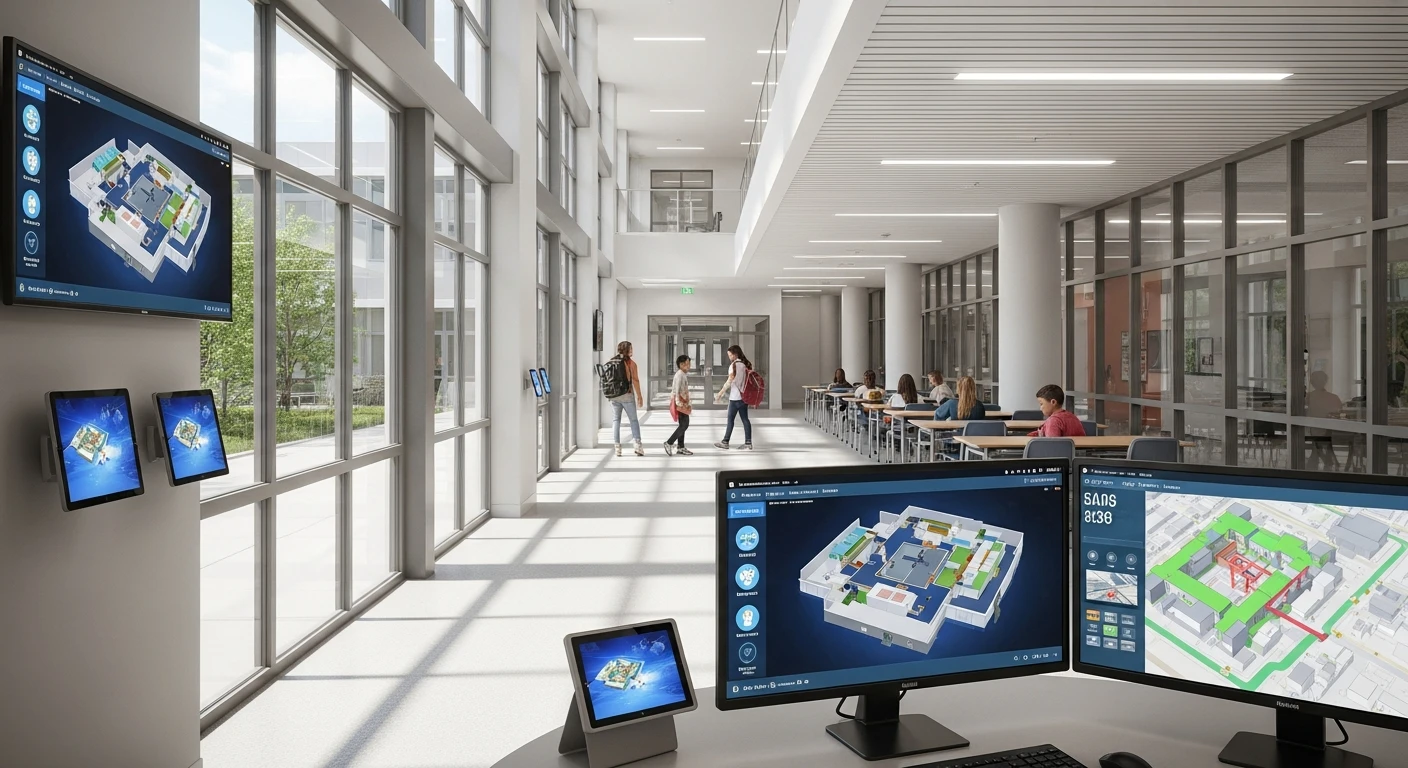
The state also focused on the physical integrity of school buildings by initiating comprehensive facility surveys and a sophisticated digital mapping program for first responders. These surveys identified aging structures that required immediate renovation to meet modern safety and accessibility standards, ensuring that the physical environment remained conducive to learning. Simultaneously, the school mapping initiative provided local police and medical personnel with precise digital layouts of every classroom and hallway, which significantly improved emergency response times. By providing this critical data to first responders, the commonwealth created a proactive layer of security that prioritized the rapid protection of students during unforeseen crises. These infrastructural improvements served as the final piece of a broader strategy that sought to integrate physical safety with digital security and emotional well-being. Local districts established protocols for continuous evaluation, ensuring that these protections adapted to new challenges as they appeared.