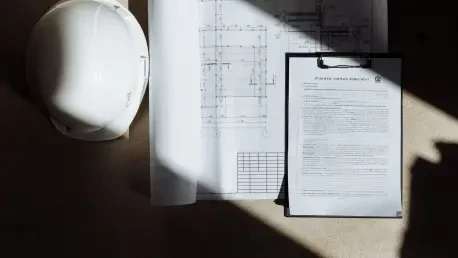

Infrastructure upgrades include the development of a new fuel island and logistics improvements at the district transportation complex this summer. This strategic move addresses the pressing need for modernized utility management within the Laramie County School District 1, ensuring that the fleet remains operational during peak academic periods. The school board has allocated significant capital toward these essential renovations, recognizing that the efficiency of support services directly impacts the educational environment for thousands of students. Beyond the fuel island, the contracts encompass comprehensive electrical grid updates and the installation of high-capacity data lines to support the increasing demand for classroom connectivity. Administrators have pointed out that neglecting these core systems would lead to more expensive emergency repairs later in the decade. By consolidating these efforts now, the district creates a more resilient backbone for its operations, setting a clear precedent for how public funds are utilized effectively to balance immediate needs with long-term goals for institutional stability.
Modernizing Infrastructure: Integrating Smart Technologies and Safety
One of the most significant aspects of the new construction phase involves the implementation of advanced building automation systems across primary campuses. These systems utilize machine learning algorithms to monitor energy consumption and adjust climate controls in real-time based on occupancy and external weather patterns. For instance, the new HVAC installations at the central high schools are designed to reduce carbon emissions while maintaining optimal air quality, which has become a non-negotiable standard for modern learning environments. Furthermore, the integration of biometric access points and high-definition surveillance networks reflects a heightened focus on student safety and perimeter security. By moving away from traditional mechanical locking systems, the district provides a more flexible and responsive security posture. These technological layers are essential because they allow facility managers to oversee multiple sites from a centralized hub, ensuring that maintenance issues are identified and resolved before they disrupt the daily school schedule or safety.
The completion of these initial contracts established a robust foundation for the future of regional education by prioritizing structural integrity and technological readiness. The fiscal strategy for 2026 to 2028 emphasized transparency and accountability, with regular audits scheduled to ensure that every dollar was spent efficiently. Decision-makers successfully navigated the complexities of urban development while maintaining a clear focus on the specific needs of the student body. To sustain this momentum, administrators adopted a policy of continuous assessment, where the performance of new building systems was tracked against energy efficiency benchmarks. They also initiated a series of community workshops to gather feedback on how these modernized spaces could be better utilized for extracurricular and public events. Moving forward, the focus shifted toward integrating renewable energy sources, such as rooftop solar arrays, to further decrease the district’s reliance on external power grids. Stakeholders were encouraged to view these infrastructure investments not as final achievements, but as the first phase of a perpetual cycle of renewal.