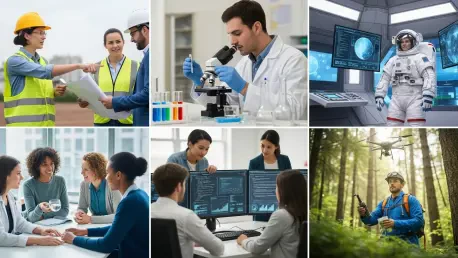

The intersection of academic ambition and community empowerment has reached a definitive turning point in South Texas through the launch of a comprehensive space science initiative. Mission Antares 1, a collaborative effort between Texas A&M International University and the Boys & Girls Clubs of Laredo, serves as a beacon for educational equity and technical advancement. By immersing local youth in the intricacies of aerospace engineering and data analysis, the program moves beyond traditional summer camps to create a rigorous pre-professional environment. This partnership recognizes that the future of the regional economy depends on cultivating homegrown talent that can navigate the demands of a high-tech global market. As students engage in simulations and laboratory research, they are not just learning facts; they are being socialized into the professional culture of the space industry. This strategic alignment of resources ensures that Laredo remains competitive in an era defined by rapid technological shifts and increasing demands for a specialized workforce.
Integrated Curriculum: Blending Standards With Scientific Discovery
The educational framework of the program is built upon a foundation of academic rigor that aligns with the Texas Essential Knowledge and Skills standards. By integrating High-Quality Instructional Materials and High Impact Tutoring, the initiative ensures that the summer experience directly supports the formal learning objectives established by local school districts. This is not a passive learning environment but rather a high-stakes simulation where students aged nine to twelve work alongside a pilot cohort of high school seniors. This multi-generational approach allows older students to serve as mentors while refining their own technical skills, creating a sustainable cycle of knowledge transfer. The curriculum challenges participants to apply mathematical concepts and scientific principles to solve engineering problems, effectively bridging the gap between theoretical knowledge and practical application. Such a structured environment transforms the way young learners perceive their own potential in demanding fields.
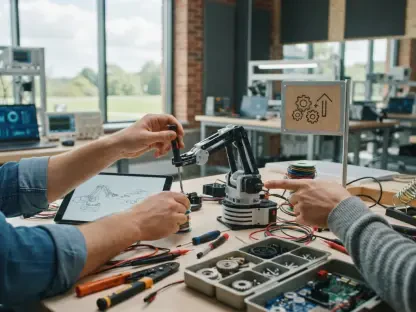
Building upon this pedagogical foundation, the program utilizes the world-class facilities of the Lamar Bruni Vergara Planetarium to provide immersive visual learning experiences. Within the specialized theatre, students encounter high-resolution simulations that bring the complexities of orbital mechanics and galactic structures to life. This visual engagement is paired with advanced laboratory work where participants use 3D printing and robotics to manufacture components for simulated missions. Beyond the classroom, field data collection involves the use of drone mapping to teach students how to interpret environmental information and manage complex datasets. These activities are designed to mirror the actual workflows of aerospace professionals, providing a level of exposure that is rarely available to students in this age group. By mastering these high-tech tools, the youth of Laredo are gaining a significant competitive advantage as they begin to navigate their future academic and career pathways in the STEM sectors.
Regional Impact: Linking Local Education to the Space Economy
The strategic significance of this initiative extends far beyond the immediate classroom, acting as a powerful catalyst for Laredo’s integration into the burgeoning global space economy. University leadership has articulated a vision where the city serves as a primary hub for aerospace innovation, leveraging its unique geographical and human resources. By positioning the community at the forefront of this industry, the program addresses both national science priorities and regional workforce needs. This focus on upward mobility is intended to ensure that the next generation of engineers and scientists does not need to leave South Texas to find high-value career opportunities. The initiative creates a local ecosystem where academic achievement is directly linked to regional economic prosperity. As the space sector continues to expand, the demand for a skilled technical workforce will only grow, and programs like this ensure that Laredo is prepared to meet that demand with a highly qualified talent pool.
Financial sustainability and institutional support are critical components that bolster the program’s long-term viability and reach. The initiative is strategically funded through the Texas Space Commission’s Space Exploration and Aeronautics Research Fund, marking a significant investment in the region’s intellectual infrastructure. While the primary grant was awarded to Rice University, the sub-award to the local university links Laredo to the statewide Center for Space Technologies. This connection ensures that local participants are plugged into the same research and innovation networks as their peers in much larger metropolitan areas. This funding model demonstrates a successful blueprint for how regional institutions can collaborate with state-level entities to drive local progress. By securing these resources, the program provides a stable platform for ongoing experimentation and growth, ensuring that the mission remains a permanent fixture in the community’s educational landscape for years to come.
Radical Access: Dismantling Socioeconomic Barriers to Achievement
A central pillar of the mission is its unwavering commitment to accessibility, ensuring that students from all socioeconomic backgrounds can participate in high-level STEM training. The partnership leverages the unique strengths of both the university and the Boys & Girls Clubs to handle complex logistical challenges that often prevent underrepresented youth from accessing elite programs. While the university provides the technological infrastructure and faculty expertise, the community organization manages recruitment, transportation, and daily program delivery. This collaborative model removes the traditional obstacles of cost and distance, making advanced science education a reality for families across the city. By centering the program within a trusted community framework, the initiative fosters an environment of trust and inclusivity. This approach ensures that the program is not just an ivory tower exercise but a grassroots movement that empowers the entire community to take ownership of its future.
To further guarantee inclusivity, the program maintains a minimal participation fee that covers all essential costs, including meals, instructional materials, and a culminating graduation ceremony. This comprehensive support system allows students to focus entirely on their learning without the burden of financial stress or a lack of resources. Such a model is essential for diversifying the STEM pipeline, as it actively recruits talent from populations that have historically been excluded from aerospace and engineering fields. By providing transportation and daily meals, the program addresses the physical needs of the students while the curriculum addresses their intellectual growth. This holistic approach recognizes that academic success is inextricably linked to the removal of systemic barriers. The result is a diverse cohort of learners who are equipped with the skills and confidence to pursue careers that were once considered out of reach, fundamentally altering the demographic makeup of the future technical workforce.
Cultivating a Sustainable Talent Pipeline: Actionable Next Steps
The long-term vision for this collaboration involves the establishment of a robust “cradle-to-career” ecosystem that supports students through every stage of their development. This includes the implementation of bilingual, AI-enabled learning tools developed in partnership with global entities like NASA to spark interest in space science from an early age. Moving forward, the program will expand its high school mentorship track to include formal internships and dual-credit opportunities that align with university degree plans. This ensures that the momentum generated during the summer sessions is maintained throughout the academic year. By creating a continuous path from elementary school curiosity to professional entry, the initiative provides a clear roadmap for success. The focus remains on building a sustainable talent pipeline that can support the evolving needs of the aerospace industry, transforming the regional identity into one defined by scientific excellence and innovation.
In summary, the initial phase of the mission succeeded in uniting disparate community resources to create a powerful engine for educational change. The collaborative efforts of the university and the Boys & Girls Clubs demonstrated that high-level technical training could be made accessible through strategic partnerships and targeted funding. By focusing on the intersection of state standards and hands-on discovery, the program effectively prepared hundreds of students for the rigors of future STEM careers. The integration of advanced technology, such as drone mapping and immersive simulations, provided a realistic preview of the modern workforce. Looking ahead, the focus must shift toward expanding these opportunities to a wider demographic and formalizing the pathways into higher education. This initiative proved that with the right investment and community support, the youth of South Texas are capable of leading the next frontier of space exploration, ensuring that the local economy remains resilient and forward-thinking.