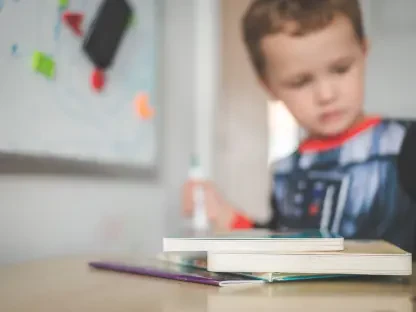

The collaboration between university researchers and local Sleman residents shows that simplified economic frameworks can effectively address community-specific needs. In the quiet corridors of Dusun Kepuh, a group of students from Universitas Negeri Yogyakarta (UNY) recently launched a community service initiative designed to tackle the growing concern of financial literacy among the youth. On August 22, 2026, students Febinur Azizah and Mariezcha Aurellia organized a workshop tailored for children ranging from kindergarten to elementary school. This program was not merely a classroom exercise but a strategic intervention meant to instill foundational money management skills at an age where cognitive habits are most malleable. By focusing on the psychological distinction between needs and wants, the organizers aimed to shift the perception of money from something spent impulsively to a resource managed with purpose and foresight. This grassroots approach reflects a broader trend in educational psychology, where practical life skills are introduced alongside traditional academic subjects to prepare children for the complexities of modern adulthood.
Bridging Theory and Action: Practical Tools for Financial Growth
Transitioning from theoretical knowledge to practical application requires more than just verbal instruction; it necessitates a tangible change in environment and tools. The UNY students recognized that for children to grasp the long-term benefits of saving, the curriculum had to be visual and highly interactive. They developed specialized instructional materials that simplified complex economic concepts into relatable narratives, illustrating how consistent small contributions can lead to significant future goals. This pedagogical approach was designed to demystify the banking process and provide a roadmap for eventual financial independence. By introducing these concepts early, the program sought to mitigate the risk of debt-driven lifestyles in adulthood. The emphasis was placed on the ‘why’ of saving, ensuring that participants understood that every coin set aside represented a deliberate choice toward a desired outcome, thereby reinforcing the value of delayed gratification and resilience. This foundational understanding acts as a buffer against consumer pressures that children face today.
Central to the workshop’s success was a hands-on session where children were given the opportunity to decorate their own piggy banks, effectively turning a standard container into a personal treasure chest. This creative exercise served as a psychological catalyst, transforming an abstract financial concept into a tangible daily habit that the children felt they owned. When a child personalizes their saving tool, they develop a sense of stewardship over the money they place inside it. This activity bridged the gap between learning and doing, allowing the children to see the immediate result of their creative efforts and linking that positive emotion to the act of saving. The students observed that this physical engagement significantly increased the children’s interest in the program, as it allowed them to express their individuality while learning a critical life skill. This method of active learning ensures that the lesson remains memorable long after the formal session has ended, as the physical object remains in their bedroom as a constant reminder of their financial goals.
Strengthening Community Resilience: The Role of Parental Support
The impact of the initiative became evident almost immediately as parents began to notice a shift in their children’s attitudes toward spending and saving. Several local guardians reported that their children returned home with a newfound enthusiasm for managing their daily allowances. For instance, one young participant began consistently setting aside funds with the specific objective of purchasing a new pair of shoes, demonstrating a sophisticated understanding of goal-oriented saving that usually eludes many adults. This real-world application of the workshop’s teachings highlights the effectiveness of early intervention. Moreover, the consensus among the Sleman community was that such programs fill a critical gap in traditional education. By providing children with a clear purpose for their savings, the students helped them build a framework for financial resilience that can withstand the pressures of modern consumerist culture as they grow older. This behavioral shift suggests that youth are capable of complex financial reasoning when the instruction is properly contextualized.
Ultimately, this student-led project aligned with the United Nations’ Sustainable Development Goal 4 by treating financial literacy as a vital life skill for the modern era. The organizers emphasized that the sustainability of these newfound habits relied heavily on ongoing parental involvement and the integration of these lessons into daily household routines. Guardians were encouraged to maintain the momentum by providing regular supervision and positive reinforcement, ensuring that the act of saving did not become a fleeting interest. The initiative successfully demonstrated that when academic knowledge was translated into actionable habits, it improved the financial well-being of the next generation. Moving forward, the community considered establishing permanent local savings clubs to keep the children engaged. By simplifying complex economic ideas and addressing specific community needs, the program provided a practical educational framework that promoted responsible citizenship and long-term financial stability. These steps ensured that the seeds of fiscal responsibility planted during the workshop continued to grow and flourish.