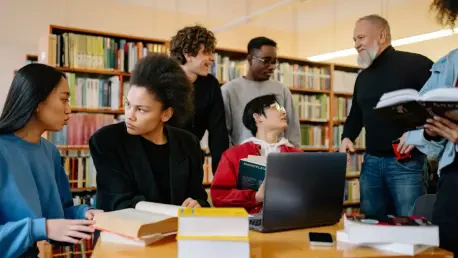

Physical challenges focused on nutrition and interpersonal negotiation skills prepare students for the multifaceted social demands of a university environment. The Te Matapihipihi Discovery Days represent a visionary approach to bridging the gap between primary education and the world of higher learning. By transforming university campuses into interactive playgrounds for the mind, these events allow young learners, or ākonga, to step outside their standard curriculum and into a realm of professional and academic possibility.
The initiative serves as a powerful catalyst for curiosity, enabling children to visualize themselves as the scientists, artists, and leaders of tomorrow through immersive, real-world experiences. When children engage with these environments, they no longer see the university as a distant, intimidating fortress of knowledge but rather as a welcoming extension of their own community and potential future growth. This paradigm shift is essential for fostering long-term educational engagement.
Bridging Cultural Heritage and Scientific Innovation
Integrating Indigenous Wisdom: A Holistic Approach
At the Manawatū campus, the educational journey begins with a profound sense of place, grounded in traditional Māori protocols and cultural storytelling that honors the indigenous knowledge of New Zealand. This integration ensures that learning is not just an intellectual pursuit but a culturally resonant experience. By participating in Māori astronomy, such as studying the Matariki star cluster, alongside contemporary scientific inquiry, students learn that heritage and innovation are complementary forces that shape a holistic understanding of the world.
These sessions emphasize that traditional wisdom provides a vital framework for modern discovery, allowing ākonga to see themselves as part of a long lineage of thinkers and navigators. Through these cultural foundations, the program fosters a sense of belonging among diverse student groups, ensuring that the transition to higher education feels like a natural progression of their cultural and personal identity within the local community. It bridges the gap between historical context and future discovery.
Exploring Natural Frontiers: Science in Action
The curriculum extends into the rigorous fields of zoology, geology, and agricultural science, where students engage directly with the physical environment in ways that transcend traditional classroom settings. From examining biological specimens under high-powered microscopes to utilizing digital tools like Minecraft for geological exploration, the program demystifies complex scientific concepts through play and experimentation. This direct contact with science inspires students to ask deeper questions about the world around them.
High-energy sessions involving veterinary simulations and food technology challenges encourage students to apply critical thinking to practical problems, such as inventing new products or monitoring animal health. These hands-on interactions are designed to spark an early interest in STEM subjects, showing that science is a dynamic and accessible field. By transforming abstract theories into tangible tasks, the university provides a blueprint for how future professionals will solve global challenges. This approach builds confidence and technical literacy from a young age.
Connecting Industry Expertise and Creative Practice
Alumni Mentorship: Making Career Paths Visible
The Ōtehā Auckland campus emphasizes the vital link between academic study and professional success by involving university alumni from major global organizations in the learning process. This connection allows students to see the tangible results of a degree, transforming abstract career paths into visible reality through the stories and guidance of successful professionals. From 2026 to 2028, the university plans to expand this network to include emerging sectors like sustainable bioplastics and quantum computing.
By interacting with industry leaders, young learners gain a unique perspective on how the skills they practice in a classroom—such as food science or creative design—translate into impactful roles within the workforce. This mentorship bridge provides ākonga with a roadmap for their own aspirations, demonstrating that the journey from primary school to a high-level career is achievable. Seeing alumni who have achieved international success serves as a powerful motivator, grounding their current efforts in the context of professional excellence.
Hands-on Learning: From Weaving to Urban Design
Practical application is the cornerstone of the Auckland experience, where learning by doing takes center stage through activities like making butter or practicing traditional weaving techniques. Beyond craft, the program introduces students to the complexities of the built environment and interpersonal communication through immersive urban design workshops. By tasking students with imagining future urban landscapes and engaging in negotiation exercises, the initiative fosters a diverse skill set for navigating society.
These exercises require students to collaborate and compromise, simulating the real-world dynamics of city planning and community leadership. The goal is to provide a comprehensive look at how creative arts and social sciences intersect to improve the quality of life in dense population centers. This multifaceted approach ensures that students appreciate both the aesthetic and functional aspects of their environments. Such experiences prepare them for the interdisciplinary nature of modern career paths and social architecture.
Synthesizing Campus Vitality and Long-term Educational Impact
Wellington Immersion: Ecological Literacy and Communication
The Pukeahu Wellington campus offers a city campus experience that allows younger students to observe the authentic rhythms of university life during an active semester, helping to normalize the idea of higher education. Strategic partnerships with local museums and ecological sanctuaries expand the classroom into the wider community, showing students that learning happens everywhere, from city streets to nature reserves. This exposure is critical for demystifying the academic environment and building familiarity.
Workshops here challenge students to think deeply about human behavior and the environment, featuring activities like designing predator traps for conservation and exploring non-verbal communication. These sessions push students to consider their impact on the planet and how they connect with others without relying solely on spoken language. Combined with creative science workshops, these experiences solidify the idea that curiosity is a lifelong journey. By navigating the campus alongside older peers, ākonga gain a sense of the community spirit that defines the tertiary experience.
Strategic Advancements: Actionable Steps for Educational Growth
The success of Discovery Days resulted from a deliberate shift from passive observation to active, hands-on pedagogy that prioritized the student experience. When ākonga felt the simulated heartbeat of an animal or created a unique flavor profile for a commercial brand, the learning became permanent and personal. This tactile approach successfully demystified the ivory tower of academia and empowered students to trust their own strengths, fostering a sense of belonging within the university environment.
Future initiatives benefited from these insights by integrating more cross-disciplinary projects and industry-led workshops into early childhood and primary education. By providing these touchpoints, the university established a foundation for lifelong learning that encouraged students to pursue diverse academic paths. Educators and policymakers identified these immersive days as a critical component in closing the gap between secondary and tertiary education, ensuring that the transition remained seamless and inspiring for all learners during the latter half of the decade.