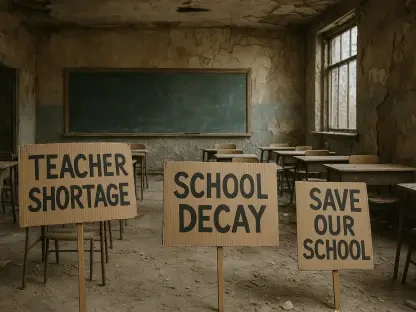

A significant portion of the proposed school funding is earmarked strictly for operations, leaving physical infrastructure needs like air conditioning unaddressed. This budgetary restriction sits at the heart of a mounting conflict between Detroit’s institutional leaders and a mobilized base of residents who are no longer content with promises of distant reform. As the city approaches a defining primary election, the debate has moved beyond simple accounting and into the realm of social justice, questioning why certain neighborhoods continue to endure substandard conditions while others thrive. The current civic landscape is defined by this friction, where grassroots activists utilize digital platforms to expose the raw reality of life inside neglected schools. These citizens are demanding a more transparent and equitable distribution of public wealth, forcing a conversation about whether the existing bureaucratic structures are still capable of serving the needs of a modern urban population. This tension represents a critical turning point for the city’s democratic health.
Navigating the Financial Future of Public Education
The upcoming August primary features a pivotal 20-year operating millage proposal intended to secure the foundational funding for Detroit’s school district through 2046. This tax is specifically designed to fund essential operations, including teacher salaries and classroom supplies, rather than major capital repairs or construction projects. If the measure fails to pass, the district faces a staggering projected loss of over $100 million, which would drastically undermine its ability to provide basic educational services. The complexity of this vote lies in the legal restrictions on how these specific tax dollars can be spent, creating a disconnect between the district’s needs and the public’s frustrations. While the millage is necessary for the district’s survival, it cannot be used to fix the crumbling physical infrastructure that has sparked recent protests. This creates a difficult narrative for officials who must convince a skeptical public that supporting the operational budget is vital even if it does not solve the heat.
Public discourse has been significantly shaped by the viral advocacy of local parents who use social media to document the stark disparities within the Detroit Public Schools Community District. These activists highlight a troubling lack of basic infrastructure, such as climate control and extracurricular programming, in neighborhood schools compared to the city’s elite testing institutions. This movement has moved beyond mere complaints, evolved into a sophisticated critique of fiscal transparency, and demanded a more equitable allocation of district funds. By rejecting special treatment for their own children and insisting on improvements for all students, these leaders have shifted the focus toward systemic accountability. The district’s response, which often involves pointing to long-term funding timelines and requiring formal information requests, has only served to heighten the sense of urgency among families. The result is a community that is increasingly literate in school finance and unwilling to accept the status quo of educational inequality.
Expanding Mobility Through Regional Transit Initiatives
Alongside education, voters are being asked to consider the Wayne County Transit Millage, a proposal aimed at significantly enhancing the SMART bus system starting in late 2026. For a relatively low monthly cost to the average homeowner, this initiative promises to add eight new routes and five extensions, directly addressing the transportation hurdles that many Detroiters face daily. This millage represents a major step toward regional connectivity, ensuring that residents can more easily access jobs, healthcare, and essential services across seventeen different communities. The success of this transit proposal is seen as a litmus test for the city’s commitment to infrastructure equity, particularly for those who rely on public systems for their livelihood. By expanding the reach of the transit network, the city aims to bridge the gap between isolated neighborhoods and economic hubs. Supporters argue that reliable transportation is not just a convenience but a fundamental requirement for a thriving urban environment.
The economic implications of this transit expansion are profound, as improved mobility often correlates with higher employment rates and better health outcomes for urban populations. In Detroit, where car ownership can be prohibitively expensive for many households, the public bus system serves as a primary lifeline to the broader regional economy. The proposed millage would provide the consistent funding needed to maintain a fleet of modern, reliable vehicles and ensure that schedules are frequent enough to be practical for shift workers. This move toward a more robust transit network is also a key component of the city’s environmental goals, reducing the number of single-occupancy vehicles on the road and lowering the overall carbon footprint of the region. As the vote nears, community leaders are emphasizing that transit equity is inextricably linked to economic opportunity. Ensuring that every resident has a reliable way to get to work or a doctor’s appointment is a cornerstone of the broader effort to build a more inclusive and resilient city.
Balancing Success and Scarcity in Public Housing
The Detroit Housing Commission provides a clear example of the city’s broader struggle to maintain progress while facing significant budget shortfalls. On one hand, the commission has reached historic milestones, reporting record-high homeownership rates and a 95% success rate in preventing evictions through diligent administrative work. These achievements demonstrate a high level of operational efficiency and a genuine commitment to keeping Detroiters in their homes during challenging economic times. However, these institutional successes are constantly threatened by a multi-million dollar funding gap for essential maintenance and long-term repairs. Vital systems, including elevators and heating units in senior housing complexes, remain in a state of backlog as the commission waits for additional resources. This persistent divide between operational excellence and capital availability underscores the recurring theme of the city’s current crisis: the difficulty of maintaining a high standard of living without consistent investment in assets.
The $7.1 million gap identified for basic maintenance over the next 18 months highlights the precarious nature of public housing stability in Detroit. While the commission has been successful in managing its existing inventory and supporting new homeowners, the physical degradation of older properties poses a significant risk to resident safety and comfort. For instance, the need for HVAC upgrades at facilities like Riverbend Towers represents more than just a mechanical issue; it is a question of dignity for the seniors and families who reside there. Addressing these shortfalls requires a multi-faceted approach that includes seeking federal grants, exploring public-private partnerships, and ensuring that local tax revenues are allocated with a focus on long-term preservation. The commission’s ability to navigate this financial tightrope will determine whether Detroit can continue to offer high-quality affordable housing or if the progress made in recent years will be eroded by the weight of deferred maintenance and aging infrastructure.
Protecting Democratic Integrity: Future Considerations
As the election nears, local leaders and faith-based organizations are focusing on the safety and integrity of the voting process. Concerns regarding the presence of federal monitors led to calls for the City Council to guarantee that polling stations remained non-intimidating spaces for all citizens. This focus on protecting the democratic process reflected a broader community desire to ensure that every voice was heard without fear of interference or retribution, particularly in a politically charged atmosphere. Faith leaders were particularly active in requesting formal pledges from elected officials to respect the results and ensure a peaceful transition of power. This modern push for representation echoed Detroit’s storied political history, where the line between professional politics and grassroots movements has always been thin. Historical anecdotes, such as the 1981 mayoral run of musician Sixto Rodriguez, reminded the public that the city’s leadership was often shaped by everyday citizens vying for a seat at the table.
To move forward, the city established a framework for neighborhood-led oversight committees that monitored district spending and transit implementation in real-time. These groups worked to bridge the gap between bureaucratic reports and the lived experiences of residents on the ground. Strategic investments in local school infrastructure became a priority, with the city council seeking alternative funding sources to address the air conditioning crisis outside of the restricted operating millage. Furthermore, the transit authority formalized a rider advisory board to ensure that new bus routes directly served the most underserved areas. These steps represented a shift toward a more participatory form of governance where transparency was not just a goal but a standard practice. By prioritizing the voices of those most affected by systemic inequities, Detroit began to transform its civic challenges into opportunities for collective growth. This proactive approach ensured that the city’s future was built on a foundation of genuine equity and shared prosperity for all.