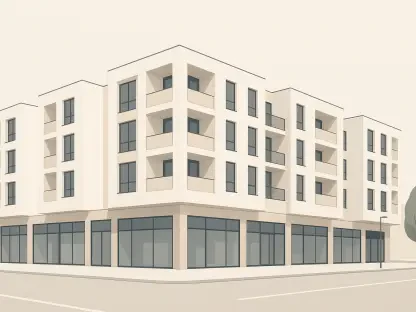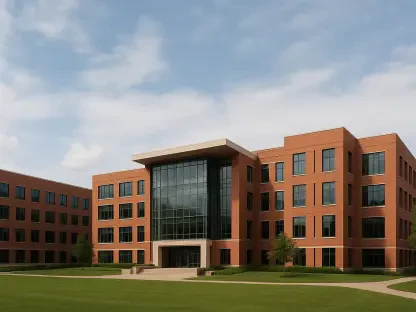

For many families residing across the Eastern Shore, the pursuit of adequate educational support for children with profound developmental challenges has frequently involved exhaustive travel or difficult relocation decisions that strained household stability. The introduction of specialized facilities in this region marks a significant shift in the landscape of non-public education, offering a localized solution for students whose needs exceed the capacity of traditional public school settings. These children often require highly structured environments, individualized attention, and specialized behavioral interventions that are not always readily available in rural districts. By establishing a presence in this area, the institution addresses a critical service gap that has persisted for decades, ensuring that students with autism, intellectual disabilities, and complex emotional needs can receive an education closer to home. This move not only relieves the logistical burden on parents but also fosters a sense of community belonging for students who are no longer forced to seek services in distant hubs.
Integrating Specialized Clinical Frameworks
Environmental Design: Sensory and Adaptive Solutions
The facility incorporates architectural elements specifically engineered to support students with sensory processing sensitivities, which is a fundamental component of the modern special education environment. Unlike traditional classrooms that may feature harsh fluorescent lighting and high-decibel communal areas, these new learning spaces utilize dimmable LED arrays and sound-absorbing acoustic panels to create a tranquil atmosphere conducive to focus. Each room is equipped with calm-down zones where students can retreat when they feel overwhelmed, allowing them to self-regulate before returning to their academic tasks. Beyond the physical structure, the school provides on-site access to occupational therapists and speech-language pathologists who integrate their clinical goals directly into the classroom routine. This seamless blend of therapy and education ensures that students are not missing instructional time to receive support, but rather practicing their developmental skills in a real-world setting.
Clinical Integration: Specialized Behavioral Frameworks
In addition to sensory management, the program emphasizes a robust behavioral health framework that relies on continuous data collection to monitor student progress in real-time. Behavioral specialists work alongside classroom teachers to implement individualized intervention plans that prioritize positive reinforcement and the development of replacement behaviors for those that are maladaptive. By documenting every milestone and setback, the staff can identify patterns that might be invisible in a less structured environment, allowing for rapid adjustments to the student’s personal educational strategy. This data-centric approach provides parents with a clear, objective view of their child’s growth, which is often a source of great relief after years of uncertainty. The collaboration between different disciplines ensures that every facet of the child’s development is addressed, from social communication to physical coordination. Such an intensive level of support is designed to build the foundational skills for students to eventually transition into community programs.
Community Partnership and Regional Growth
Collaborative Initiatives: Strengthening Local Infrastructure
The expansion into the Eastern Shore functions as a vital resource for local school districts, which often face significant challenges in providing high-intensity services for a small number of students with complex needs. By partnering with these districts, the school allows local education agencies to fulfill their mandates under the Individuals with Disabilities Education Act without having to build and staff specialized facilities of their own. This relationship creates a more efficient distribution of resources, as the school can centralize expertise and technology that would be prohibitively expensive to duplicate in every county. Furthermore, the presence of the school generates new employment opportunities for local residents, attracting skilled professionals to the region. From 2026 to 2028, the facility plans to expand its vocational offerings to include digital literacy and agricultural training. This influx of talent benefits the school’s students and enriches the broader community by expanding the network of available providers.
Future Planning: Vocational Pathways and Sustainability
The establishment of this specialized campus necessitated a multi-year effort that combined state funding with private donations to address the historical lack of local resources. Stakeholders recognized that children on the Eastern Shore deserved the same level of educational excellence available in more urbanized areas, and they acted decisively to secure the necessary infrastructure. Following the successful opening, the community took immediate steps to integrate the facility into the local fabric, ensuring that transportation networks and social services were aligned with the school’s operational needs. Educators implemented a blueprint for regional collaboration that served as a model for other rural districts facing similar shortages in specialized care. Families reported a marked decrease in stress as their children began to thrive in an environment tailored to their unique requirements. Local leaders prioritized the long-term sustainability of the program by establishing permanent vocational training partnerships.