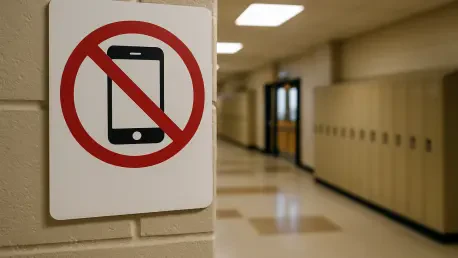

Education experts have noted that the mere physical presence of a smartphone can diminish a student’s cognitive capacity even if the device is silenced and out of sight. This realization serves as the primary catalyst for Governor Josh Shapiro’s endorsement of Senate Bill 1014, a transformative policy aimed at restoring academic focus for over 1.7 million K-12 students. By mandating a rigorous “bell-to-bell” ban on personal mobile devices, Pennsylvania is attempting to eliminate the digital distractions that have increasingly compromised the quality of classroom instruction. The legislation encompasses both public and private schools, creating a standardized environment where the emphasis is placed on direct engagement rather than virtual interaction. As students navigate their daily schedules, the absence of these devices is expected to foster a more immersive educational experience. This strategic shift reflects a broader commitment to student well-being, acknowledging that the classroom must remain a sanctuary for learning, free from the persistent interruptions of the modern digital landscape.
Regulatory Implementation: The Structural Framework
The legislative mandate establishes a clear timeline for school districts to integrate these restrictions into their official codes of conduct, with full enforcement required by the 2027-2028 school year. While the state provides the overarching “bell-to-bell” directive—covering instructional time, lunch periods, and class transitions—it maintains a degree of regional autonomy. This allows local school boards to develop storage solutions and disciplinary frameworks that align with their specific community needs and facility layouts. By 2026, many districts have already initiated pilot programs to test the efficacy of signal-shielding pouches and centralized locking systems. These early efforts demonstrate a commitment to a smooth transition, ensuring that by the time the mandate is fully active, administrators have addressed the logistical challenges of managing device storage. This balanced approach between state oversight and local control ensures that the policy is both rigorous and adaptable across the diverse educational landscape of the state.
To address individual needs, the legislation incorporates specific exemptions for students who rely on mobile technology for medical purposes or specialized educational support. For instance, students with diabetes who use continuous glucose monitors integrated with their phones are permitted access under strictly regulated guidelines. Furthermore, those with Individualized Education Programs or Section 504 plans can continue to use assistive technology as required by their specific learning accommodations. Beyond these exceptions, the bill mandates that schools establish formal emergency notification systems to keep parents informed during a crisis. This requirement directly addresses parental concerns regarding communication, ensuring that official information is disseminated through controlled channels rather than through the often chaotic and inaccurate updates found on social media. By institutionalizing these protocols, Pennsylvania ensures that student safety is managed through professional coordination rather than individual device access during an emergency.
Cognitive Recovery: Academic and Social Restoration
A significant portion of the momentum for this ban originated from “PA Unplugged,” a grassroots coalition of parents and educators who have highlighted the detrimental effects of excessive screen time on teen mental health. Research suggests that the average student loses more than an hour of instructional time every school day to non-academic phone use, a loss that accumulates into significant educational gaps over a student’s academic career. This waste of taxpayer-funded resources and instructional effort has driven the state to take decisive action to protect the emotional well-being of its youth. Advocates argue that removing the constant pressure of social media alerts and text messages will help mitigate the rising rates of anxiety and depression among teenagers. By creating a phone-free environment, schools can offer students a much-needed reprieve from the performative nature of digital life, allowing them to focus on their personal development and academic growth without the interference of a screen.
Educators have observed that when students are disconnected from their devices, they are significantly more likely to participate in classroom discourse and form meaningful social connections with their peers. This shift toward face-to-face interaction is considered essential for developing critical life skills such as empathy, active listening, and conflict resolution. In districts that have already adopted similar bans by 2026, teachers report a more vibrant and attentive classroom culture where students are less inclined to retreat into their digital silos. This restoration of the social fabric within schools is a primary goal of the legislation, as it encourages students to be “present” in their environment. By eliminating the digital divide between students and their instructors, the state aims to rebuild an intellectual community where learning is a collaborative and undistracted process. The ban acts as a structural reset, helping students recognize that deep focus and genuine human connection are far more valuable than the transient rewards of digital engagement.
Navigating Safety: Security and Long-Term Outcomes
The debate over school safety remains a central point of discussion among critics who believe that personal phones provide a necessary lifeline between children and parents. However, Governor Shapiro has consistently maintained that mobile devices can inadvertently create safety risks by distracting students from critical instructions or revealing their location to an intruder. This perspective shift treats school security as an institutional responsibility focused on facility improvements and preventative measures, such as comprehensive gun reform, rather than relying on individual technology. By emphasizing professional emergency management and modernized notification systems, the state aims to reassure parents that their children are protected by coordinated administrative actions. This approach encourages a culture of trust in school security protocols and moves away from the idea that a smartphone is a prerequisite for safety in a crisis. The policy transition highlights a broader effort to ensure that schools remain secure environments.
The implementation of the statewide phone ban served as a pivotal moment in Pennsylvania’s commitment to educational excellence and student mental health. By removing the pervasive influence of mobile devices, the Commonwealth reclaimed the classroom as a dedicated space for learning and interpersonal development. This shift demonstrated that prioritizing cognitive focus over digital connectivity could lead to more engaged and resilient student populations. Looking ahead, the success of this initiative depended on the ongoing collaboration between educators, parents, and policymakers to support a culture that valued presence over distraction. This legislation provided a necessary blueprint for other states seeking to address the challenges of the digital age within the school system. Ultimately, the move toward an “unplugged” academic environment showed that the most effective way to improve student focus was to eliminate the tools that systematically undermined it. This decisive action paved the way for an attentive future.