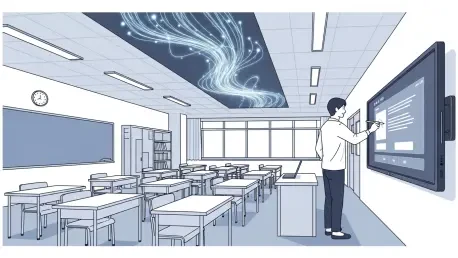

The massive transformation of the educational landscape across the rural heartlands of Bihar has reached a significant milestone as the state government accelerates the implementation of the PM e-Vidya program to ensure that every student, regardless of their geographical location, has access to high-quality digital learning materials. This ambitious initiative addresses a long-standing disparity where students in remote districts often lacked the same academic resources available to their urban peers, creating a gap in competitive readiness and general literacy levels. By leveraging satellite-based television channels and high-speed broadband networks, the regional administration is successfully dismantling the barriers that once hindered millions of young minds. This shift represents more than just a technological upgrade; it is a fundamental reimagining of the classroom experience that prioritizes inclusivity across the nation’s diverse socio-economic fabric.
Integrating Advanced Technology into the Learning Ecosystem
Modernizing Infrastructure: Building the Digital Foundation
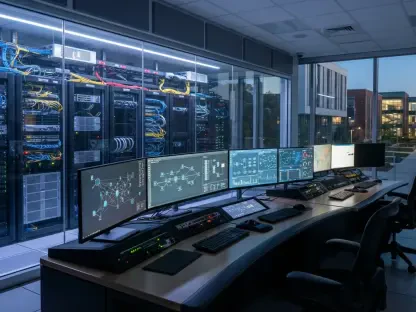
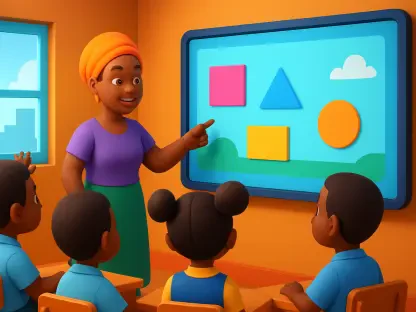
The cornerstone of this expansion lies in the aggressive rollout of smart classrooms and high-speed fiber-optic connectivity across secondary schools in all thirty-eight districts of the state. Engineering teams have prioritized the installation of uninterruptible power supplies and interactive flat panels to ensure that digital lessons continue even during localized power fluctuations common in the monsoon season. Furthermore, the integration of the Swayam Prabha DTH channels has allowed schools without reliable internet to receive high-definition educational broadcasts directly through satellite receivers. This hybrid approach ensures that the digital curriculum remains accessible even in the most remote corners of the Kosi and Seemanchal regions. Local authorities have also established dedicated technical support centers at the block level to provide immediate troubleshooting for school equipment, thereby minimizing downtime throughout the year.
Empowering Students: Navigating Localized Digital Platforms
In conjunction with hardware improvements, the government has launched a localized version of the DIKSHA portal, which offers textbooks and supplementary materials in regional dialects to ensure linguistic inclusivity for students. This repository provides a vast array of QR-coded textbooks that allow learners to access video explanations and interactive quizzes by simply scanning a page with a mobile device. The synchronization of the national PM e-Vidya framework with state-specific curriculum requirements has resulted in a cohesive learning experience that prepares students for both local examinations and national competitive benchmarks. By utilizing the One Class One Channel model, the state has effectively created a virtual school environment that operates twenty-four hours a day, providing flexibility for students who might need to revisit complex topics. This continuous availability of resources empowers students to take ownership of their journeys.
Strengthening Human Capital and System Accountability
Teacher Development: Cultivating Modern Pedagogical Skills
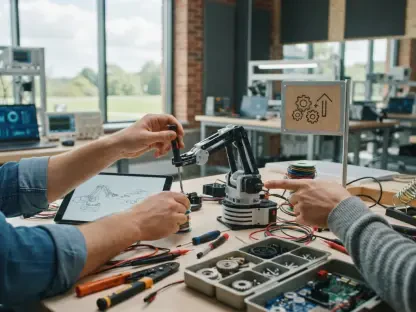
Successful digital transformation requires more than just high-tech equipment; it demands a teaching workforce that is proficient in navigating digital platforms and utilizing them to enhance student engagement. To this end, the state has initiated comprehensive professional development programs designed to train over two hundred thousand teachers in the nuances of hybrid instruction and online classroom management. These workshops focus on moving beyond traditional rote memorization toward a more inquiry-based model where digital tools facilitate critical thinking and collaborative problem-solving among students. Educators are being taught how to integrate multimedia elements into their daily lesson plans, making abstract concepts in mathematics and science more tangible through simulations and animations. This systematic upskilling ensures that the technology serves as a powerful catalyst for better learning outcomes across the state.
Strategic Evolution: Past Progress and Future Sustainability
The successful scaling of these digital initiatives required a clear roadmap focused on long-term sustainability and the continuous refinement of technological tools to meet evolving student needs. Stakeholders established community-led monitoring committees to oversee the maintenance of digital assets, ensuring that local schools remained responsible for the upkeep of their newly acquired hardware. By fostering partnerships with private sector technology firms, the government secured ongoing software updates and specialized training modules that kept the curriculum aligned with global industry standards. These strategic actions demonstrated that a combination of political will and community engagement could overcome significant logistical hurdles in a relatively short timeframe. Looking forward, the emphasis shifted toward integrating artificial intelligence to provide personalized learning paths for every student, catering to individual strengths. This stance ensured success.