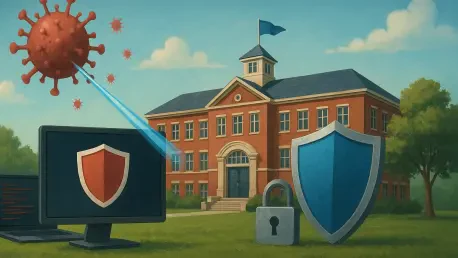

The education sector remains a prime target for hackers because it maintains vast repositories of personal data on students and staff with limited defensive budgets. Recent findings from the exams regulator Ofqual suggest that the tide might be turning, as schools across England demonstrate an unprecedented level of digital resilience. Incident rates have notably dropped to 27% during the 2025–2026 academic year, maintaining a consistent downward trajectory from the 34% recorded just two years ago. This shift indicates that while the threats have not vanished, the defensive posture of educational institutions is hardening significantly. Beyond just a drop in the frequency of breaches, there is a visible improvement in how these institutions bounce back from adversity. Approximately 66% of schools now report being able to stage an immediate recovery following a digital incident, which is a stark contrast to previous years when systems would remain crippled for weeks on end.
Strategic Responses to Evolving Technical Threats
Managing Internal Risks and Technical Vulnerabilities
Technical vulnerabilities often stem from legacy systems that haven’t been patched, such as the persistent Apache Log4j2 flaws or newer exploits targeting network boot infrastructure. While high-level state actors are a concern, the Information Commissioner’s Office has highlighted a surprising internal threat: the students themselves. Tech-savvy pupils are increasingly attempting to bypass security protocols for reasons ranging from boredom to financial gain, necessitating a focus on internal endpoint security.
A significant hurdle is the disconnect regarding who is responsible for cybersecurity. While half of teachers believe it is solely the task of IT teams, Ofqual argues it is a fundamental responsibility of senior management. Technical fixes must be paired with leadership-driven strategies, including regular risk assessments and clear response plans. Currently, 55% of secondary schools have implemented formal policies to bridge this organizational gap effectively and ensure long-term digital safety across the entire campus.
Operational Resilience and Proactive Defense Strategies
High-profile incidents, such as the ransomware attack in West Lothian and the disruption of the C2K system in Northern Ireland, served as reminders of the potential for severe operational disruption. These events resulted in the loss of critical coursework and the interruption of national exams, highlighting the need for redundant systems. Institutions that prioritized regular off-site backups found themselves far better prepared for the inevitable probing of their networks during the school year.
The progress made during the current academic cycle demonstrated that a coordinated response between government bodies and local schools was effective. Moving forward, schools were encouraged to appoint a dedicated digital lead within their senior management teams to ensure security concerns were addressed. By adopting these actionable steps, the educational sector moved toward a model of continuous improvement. This holistic approach ensured that the protection of student data remained the top priority for all administrators.