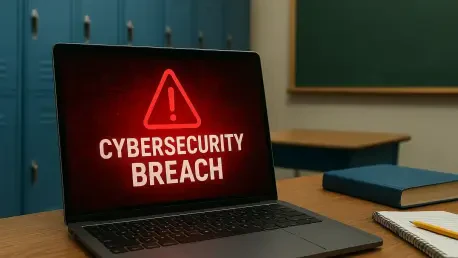

The exposure of student nursing logs and billing information in the Health Services module has raised intense concerns regarding the long-term privacy of children with special needs. This significant cybersecurity failure at Frontline Education, a major vendor for South Carolina’s public schools, has left thousands of students and staff members in the Upstate region vulnerable to identity theft and medical privacy violations. While digital administrative tools were designed to streamline operations, this incident reveals the inherent fragility of the technological infrastructure supporting the state’s education system. Law enforcement officials from the South Carolina Law Enforcement Division have been mobilized to investigate the breach, which has already confirmed impacts in multiple Anderson County districts. As the investigation continues, the focus has shifted toward understanding how a centralized software platform could experience such a catastrophic compromise without immediate detection or disclosure to the affected stakeholders.
Analyzing the Scope of Targeted Data and Systems
The breach specifically targeted two separate components of the Frontline Education ecosystem, creating a dual-threat scenario for the affected school districts. Within the Application Tracking module, hackers gained unauthorized access to extensive personnel records, which included the Social Security numbers, home addresses, and personal email accounts of both current employees and prospective job applicants. This data is highly coveted on the dark web, as it provides all the necessary components for sophisticated financial fraud and identity takeover. Simultaneously, the Health Services module, which schools use to manage student medical documentation, was compromised, exposing sensitive nursing logs that detail individual health conditions and treatments. Unlike a leaked credit card number that can be easily replaced, the loss of private medical history is permanent and carries a higher emotional toll for families who expect their children’s clinical data to remain strictly confidential within the school setting.
District leadership across the region, particularly in Anderson School Districts 2, 3, and 5, has been working to quantify the damage while neighboring Greenville County Schools remain in a state of high alert. The geographic concentration of the impact suggests that the breach was not a random act of digital vandalism but a targeted exploitation of administrative systems common to the South Carolina educational landscape. As investigators peel back the layers of the intrusion, they have discovered that the vulnerability did not originate within Frontline’s core code but was instead introduced through a third-party software product integrated into their environment. This realization underscores the dangerous nature of modern supply chain interdependencies, where a single weak link in a vendor’s partnership network can compromise the security of hundreds of public institutions. The administrative burden of managing this fallout has fallen heavily on local IT departments who must now audit every external connection.
Timeline Discrepancies and Notification Challenges
One of the most alarming aspects of this cybersecurity event is the chronological gap between the initial detection and the eventual notification of those affected. Forensic evidence suggests that the breach was first identified by Frontline Education on August 14, 2026, yet a formal public acknowledgment did not occur until the beginning of October. For seven weeks, the extent of the data exposure remained hidden from the very people whose personal information had been stolen, preventing them from taking immediate steps to freeze their credit or monitor their accounts. This delay has been characterized by local administrators as a significant failure in transparency, as it left schools unable to provide accurate information to concerned parents and staff during the start of the academic year. The lack of real-time communication from the vendor created an information vacuum that was eventually filled by rumors and anxiety, further eroding the trust between the software provider and the educational districts they serve.
Adding to the complexity of the situation was the unconventional method used to notify the victims of the breach, which inadvertently caused further alarm. Instead of receiving a direct communication from Frontline Education, affected individuals were contacted by Cyberscout, a third-party risk management firm. Many staff members and parents, already sensitized to the dangers of digital scams, initially dismissed these alerts as phishing attempts designed to steal even more information. This confusion highlighted a critical breakdown in crisis communication protocols, as the lack of a recognizable brand or pre-established relationship with the notifying entity led many to ignore legitimate warnings. Local district officials were forced to issue their own clarifying statements to confirm that the Cyberscout letters were indeed authentic and required immediate attention. This incident demonstrates that in the wake of a data breach, the clarity and authenticity of the response are just as important as the technical remediation efforts themselves.
Institutional Responses and Future Preventative Measures
The institutional response has since pivoted toward a multi-agency effort involving the South Carolina Critical Infrastructure Cybersecurity team and state law enforcement. These organizations are currently performing a deep-dive analysis of the affected servers to ensure that no backdoors or persistent threats remain within the network. In an effort to mitigate the potential financial fallout for victims, Frontline Education has committed to providing two years of complimentary credit monitoring and identity theft protection services to individuals whose Social Security numbers were compromised. While these services provide a necessary safety net for financial security, they do not address the broader concerns regarding the permanent exposure of student medical records. State education officials have emphasized that safeguarding sensitive data is a top priority, yet the decentralized nature of vendor management presents a recurring challenge for maintaining uniform security standards across all South Carolina districts.
Ultimately, the cybersecurity crisis in South Carolina’s schools necessitated a fundamental shift in how educational institutions approached third-party vendor relationships and data sovereignty. Legislative bodies moved to establish stricter requirements for breach disclosure timelines, ensuring that no vendor could wait weeks before informing the public of a compromise. Schools began implementing more rigorous auditing processes for any software integrated into their networks, prioritizing vendors who demonstrated verifiable end-to-end encryption and zero-trust architectures. Furthermore, the incident prompted a statewide initiative to provide specialized cybersecurity training for administrative staff, focusing on identifying sophisticated supply chain attacks before they could escalate. These proactive measures were designed to transform the state’s digital defenses from a reactive posture into a resilient framework that prioritized student and staff privacy above all else. By treating cybersecurity as a critical component of public safety, the state worked to restore the community’s trust in digital systems.