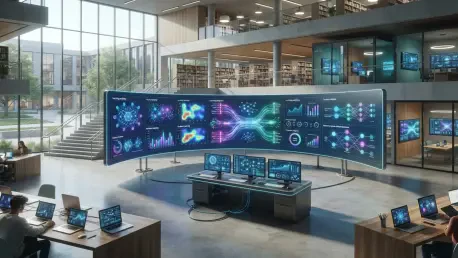
Future educational platforms are expected to incorporate multimodal analytics which process spoken dialogue and performance in digital simulations to create a multi-dimensional view of student capabilities. This transition marks a departure from the historical reliance on high-stakes, end-of-year

Adaptive learning technologies that adjust curriculum in real-time based on user progress are transforming the way non-traditional students master complex new subjects. This fundamental shift marks the end of the "front-loaded" educational era, where learning was strictly relegated to the first two
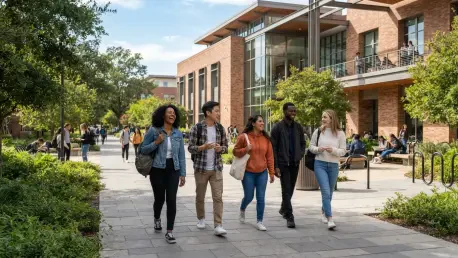
Despite high-profile reports suggesting a regression in civil rights progress, school spending has become significantly more equitable across different districts over the last six decades. This shift contradicts a popular media narrative which often asserts that American public education has
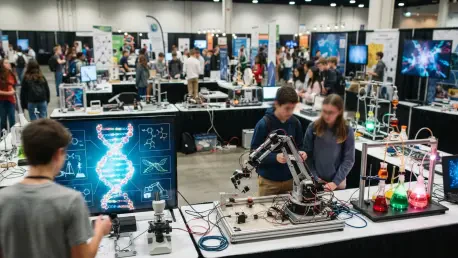
The global educational landscape is currently facing a silent crisis as students increasingly turn away from science subjects during their formative secondary years. In the United Arab Emirates, the national vision for a knowledge-based economy relies heavily on fostering STEM aspirations among the
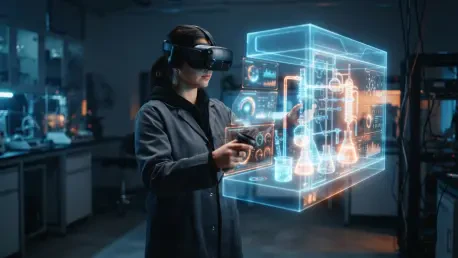
An analysis of learning outcomes revealed that students achieved an average accuracy of seventy-six percent on titration theory before they even began their practical training. This high baseline suggests that modern chemistry students entering university programs in 2026 often arrive with a robust

Translating complex AI concepts into the language of child development is more effective than simply watering down adult standards for a younger audience. As artificial intelligence becomes an invisible yet omnipresent force in modern households, from smart speakers to algorithmically curated