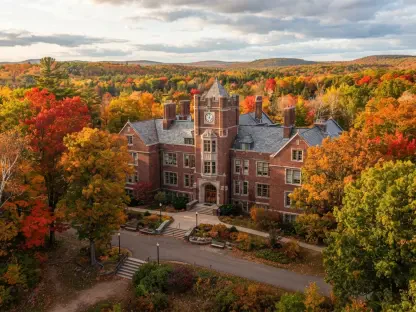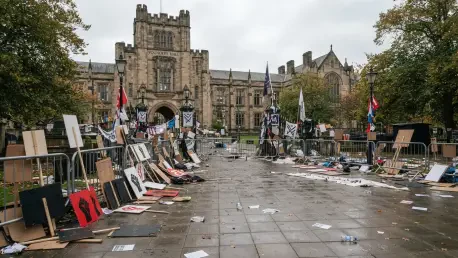

Camille Faivre has spent the last decade navigating the intricate financial landscapes of global higher education, specializing in how elite institutions adapt their management models to survive economic and political shifts. As universities face a new era of scrutiny and fluctuating support, her
Teachers frequently report that even the most well-intentioned reform efforts become just another burdensome item on an already overwhelming schedule of administrative meetings. This sentiment captures the inherent struggle of the American public education system as it transitions from a history of

Artificial intelligence is fundamentally restructuring how information is processed, requiring young professionals to possess the intellectual agility to challenge established internal protocols. The era where a junior associate could gain proficiency simply by sitting near a seasoned partner has

The persistent challenge of retaining seasoned educators in the modern public school system has prompted various districts to rethink their internal organizational structures and support mechanisms. In West Fargo, the narrative of long-term professional commitment is exemplified by individuals such

While the district views a centralized facility as a necessary response to a resource crisis, advocates see it as a regression to outdated and exclusionary educational practices. The ongoing debate in Grand Forks is more than a simple administrative disagreement; it represents a fundamental clash

Universal access to ʻōlelo Hawaiʹi remains a primary focus for researchers studying the historical impacts of Western education on local learners. For decades, the pedagogical landscape in the islands was dominated by external frameworks that often overlooked the deep-rooted cultural intelligence