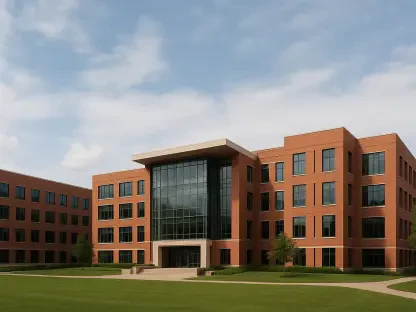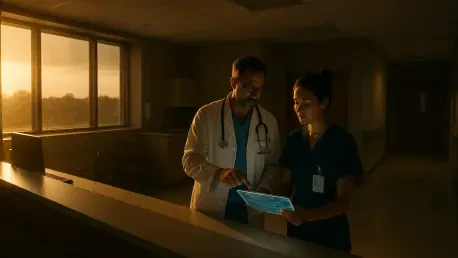

Dr. Hanson-Zalot’s educational philosophy is rooted in the belief that students should eventually exceed the clinical standards set by their own instructors and mentors. This principle serves as the cornerstone of her return to La Salle University, where she now oversees the undergraduate nursing program with a focus on raising the bar for academic excellence. In an era where the healthcare industry is constantly evolving, her leadership arrives at a critical juncture, providing a bridge between high-level theory and the demanding realities of modern clinical practice. The program’s mission is to move beyond conventional teaching methods, instead fostering an environment where intentionality and reputation drive the student experience. By establishing the School of Nursing and Health Sciences as a regional “destination of choice,” the university is positioning itself to attract a diverse cohort of students who are prepared to handle the complexities of patient care. This strategic shift is not just about increasing enrollment numbers; it is about ensuring that every graduate is equipped to lead and innovate within the medical field.
Integrating Clinical Mastery with Academic Rigor
Her professional journey is deeply informed by her early years spent in the high-stakes environments of oncology and trauma units. Originally considering a career in the legal profession, she shifted her focus to healthcare after witnessing the profound impact that dedicated nursing care can have on patient outcomes during her formative years. Those early rotations in the Philadelphia area provided her with a unique perspective on human resilience and the meticulous protocols required to manage specialized care in critical settings. This foundational experience in acute care units became the bedrock of her professional identity, allowing her to appreciate the delicate balance between technical skill and compassionate communication. She recognized that the complexities of nursing required more than just manual dexterity; they demanded a sophisticated understanding of pathophysiology and the ability to navigate high-pressure situations with a steady hand. These clinical years were instrumental in shaping her belief that the classroom must mirror the intensity and precision of the hospital floor.
The transition from the bedside to the lecture hall was sparked by what she describes as a “magical” experience while instructing students in a clinical setting. This pivotal moment revealed a passion for mentorship that led her to pursue advanced degrees and eventually assume leadership roles within higher education. Influenced by significant mentors during her graduate studies, she ascended through the academic ranks to become a professor emerita at Thomas Jefferson University before her current tenure at La Salle. This professional evolution from a frontline clinician to a high-level administrator allowed her to develop a leadership style that prioritizes both academic rigor and the supportive coaching of the next generation. By integrating her extensive clinical background with administrative strategy, she has been able to create a curriculum that remains responsive to the needs of the healthcare sector. This dual perspective ensures that faculty members are empowered to teach with authority, while students receive an education that is grounded in the current realities of the nursing profession.
Creating a Holistic Educational Tapestry
Central to her vision for the program is the concept of a “tapestry” of learning, where the diverse specialties of the faculty are woven together to create a comprehensive professional identity for the students. She believes that a nursing education should not be a series of isolated courses but rather a cohesive narrative that builds upon itself over time. By leveraging the unique expertise of various subject matter experts, the program can provide a multi-dimensional view of patient care that spans across different demographics and medical conditions. This collaborative approach encourages students to see the connections between disparate fields, such as behavioral health and surgical nursing, thereby fostering a more holistic understanding of the patient experience. The ultimate measure of success in this model is when a student demonstrates the ability to synthesize complex information and apply it creatively in a clinical setting. This mindset pushes the boundaries of traditional instruction, encouraging a culture of continuous improvement where both teachers and learners strive for higher standards of excellence in every interaction.
Her return to the university was largely motivated by her deep connection to the “Explorer” student body, whom she characterizes as having a vibrant and bright enthusiasm for the nursing profession. She is dedicated to making the student experience more goal-directed, acknowledging that the rigorous time commitments required by a nursing degree must result in tangible, career-ready skills. In the current 2026 academic landscape, she is working to streamline the educational process to alleviate the immense pressures faced by modern students while maximizing their specific learning outcomes. This involves evaluating the curriculum to ensure that every clinical hour and every classroom lecture serves a clear purpose in the student’s professional development. By focusing on intentionality, she aims to create an environment where students feel supported rather than overwhelmed, allowing them to engage more deeply with the material. This student-centric approach is designed to produce clinicians who are not only competent but also deeply passionate about their chosen field, ensuring they remain committed to the nursing profession throughout their careers.
Fostering Innovation through Institutional Culture
Under the strategic guidance of the university’s executive leadership, she is focusing on curriculum innovation that builds immediate confidence and clinical competence in students. She views her role primarily as a facilitator for the faculty, empowering these experts to utilize creative and evidence-based teaching methods that resonate with contemporary learners. This collaborative environment is essential for keeping the curriculum relevant in an industry where medical technology and protocols are constantly shifting. By encouraging faculty to experiment with new pedagogical tools, such as advanced simulations and interactive case studies, the program ensures that students are prepared for the technological demands of modern hospitals. This focus on innovation extends beyond the classroom into the broader clinical partnerships that the university maintains across the region. Strengthening these ties allows for a more seamless transition from student to practitioner, as the curriculum is constantly adjusted based on feedback from healthcare providers. The goal is to create a feedback loop that benefits both the institution and the wider medical community.
Beyond the academic requirements, she emphasizes the critical importance of a “culture of kindness” within the nursing department to foster creativity and effective brainstorming. She believes that a gracious and helpful internal environment is the key to supporting both the staff and the students through the inherent stresses of the nursing profession. By maintaining an open-door policy and encouraging collaborative problem-solving, she has cultivated an atmosphere where new ideas can flourish without the fear of judgment. This focus on a positive institutional culture is a key component of her plan to distinguish the program from its geographical competitors and build a stronger sense of community. When faculty members feel valued and supported, they are better equipped to provide the high level of mentorship that students need to succeed in a demanding field. This internal harmony translates into a more cohesive learning experience for the students, who learn the value of professional courtesy and teamwork by observing it in their own instructors. Such an environment not only improves retention rates but also prepares students to be empathetic leaders in their future workplaces.
Advancing Professional Agency in Nursing Education
The core of her mission is rooted in the transformative power of nursing knowledge and the specific moment when a student realizes their own agency in influencing patient outcomes. She strives to ensure that students move beyond simple memorization of facts to understand the life-saving impact of their clinical decisions. This shift in perspective is what transforms a student into a professional nurse who can think critically and act decisively in complex situations. Through a blend of mentorship, operational efficiency, and clinical relevance, she is leading the program into a new era defined by professional empowerment. This involves providing students with the tools they need to advocate for their patients and themselves within the broader healthcare system. By fostering a sense of professional identity early in the program, she helps students understand their role as essential members of the healthcare team. This empowerment is vital for the long-term success of the graduates, as it gives them the confidence to tackle the challenges of a fast-paced medical environment while remaining focused on the primary goal of providing high-quality patient care.
The strategic initiatives implemented during this transition period successfully prioritized the development of a resilient and skilled nursing workforce. Educators and administrators focused on creating specialized pathways that allowed students to master advanced clinical technologies while maintaining a strong foundation in patient advocacy. These efforts resulted in a curriculum that was both agile and deeply rooted in the core values of the nursing profession. Moving forward, the program established a framework for continuous assessment, ensuring that clinical training sites were aligned with the latest evidence-based practices. By fostering deeper partnerships with regional healthcare systems, the department secured new opportunities for students to engage in specialized rotations that mirrored the complexities of 2026 medical standards. These developments encouraged a culture where professional growth was viewed as a lifelong journey rather than a finite goal. Consequently, the program provided a clear roadmap for future clinicians to navigate the complexities of modern healthcare with confidence. This proactive approach solidified the institution’s reputation as a leader in nursing education and set a new benchmark for regional excellence.