
The rapid transformation of Calderwood from a quiet rural landscape into a bustling residential hub has finally triggered a long-awaited response in the form of a state-of-the-art educational facility. As hundreds of new homes continue to fill the horizon, the pressure on existing services has become a central concern for families who have recently moved to this vibrant corner of New South Wales. The official commencement of construction on the new public primary school and co-located preschool signifies a critical turning point for the region, addressing a significant infrastructure gap that has grown alongside the local population. This project is not merely a collection of brick and mortar; it represents a comprehensive commitment to ensuring that the children of this expanding community have access to high-quality education within their own neighborhood. By bridging the distance between where families live and where their children learn, the development aims to foster a stronger sense of local identity while providing the modern tools necessary for academic success in an increasingly competitive world.
Architectural Vision and Community Capacity
Designing for Modern Educational Standards
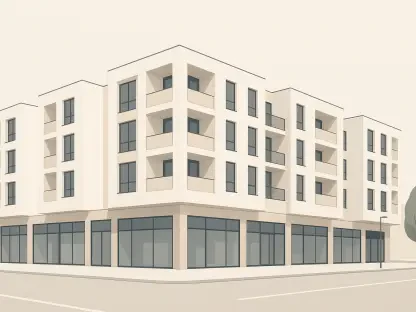
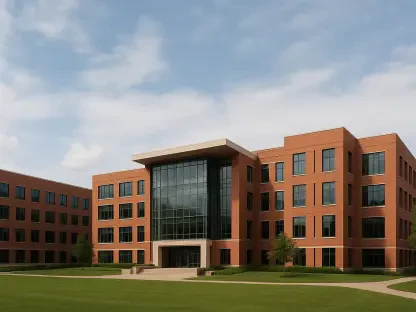
The physical footprint of the new facility is meticulously planned to accommodate the diverse needs of at least 550 students from the outset of the first term in 2028. This design philosophy incorporates 27 modern classrooms, which are being built to facilitate both collaborative learning and focused individual study. Beyond the standard instructional spaces, the inclusion of three dedicated support rooms ensures that the school is inclusive and capable of providing specialized assistance to students who require additional resources. This intentional layout reflects a broader shift toward flexible learning environments that can adapt to evolving pedagogical methods and varying class sizes. As construction progresses between 2026 and 2028, the focus remains on creating a durable yet inviting atmosphere where teachers can utilize the latest classroom technologies to engage students effectively. The scale of the building reflects the anticipated density of the suburb, ensuring that the school does not reach capacity immediately upon opening its doors to the public.
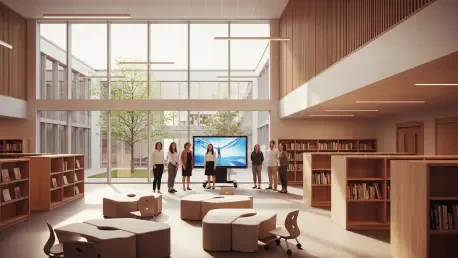
Complementing the instructional wings are several core facilities designed to serve as the heart of the school community, such as the multipurpose hall and the expansive library. The library is envisioned as a central hub for digital literacy and research, while the multipurpose hall will provide a venue for assemblies, physical education, and community events that bring families together. Additionally, the inclusion of a modern canteen and a covered outdoor learning area (COLA) highlights the emphasis on student wellbeing and the importance of versatile spaces for social interaction. These outdoor areas are particularly crucial in the Australian climate, allowing students to engage in physical activity and peer socialization regardless of the weather conditions. By providing these comprehensive amenities, the government is looking to create a campus that serves more than just an academic purpose. The administration offices are strategically positioned to streamline operations and ensure a welcoming entry point for parents and visitors, reinforcing the school’s role as a vital cornerstone of the local Calderwood civic infrastructure.
Integrating Early Childhood Learning
A standout feature of the Calderwood development is the integration of a public preschool, which is designed to provide a weekly capacity for 120 children from the local area. This initiative aligns with the strategic goal of the Minns Labor Government to co-locate early childhood centers with every new public primary school being built across the state. By offering high-quality, fee-free early education, the government aims to alleviate the financial burden on young families while ensuring that children are better prepared for the transition to formal schooling. This model of co-location simplifies the daily logistics for parents who may have children in both preschool and primary grades, effectively creating a “one-stop shop” for educational needs. The preschool facility is not an afterthought but a fully integrated component of the campus, featuring its own specialized play areas and learning zones tailored to the developmental requirements of younger learners. This approach acknowledges that the foundations of lifelong learning are laid well before a child enters kindergarten, making local access to such services a high priority.
Beyond the immediate convenience for parents, the inclusion of the preschool serves as a proactive measure to address the growing demand for early childhood placement in high-growth suburbs. Many families moving into the 1,500 new homes in the region have young children, and the existing childcare infrastructure has often struggled to keep pace with this rapid demographic shift. By establishing a public option that is both accessible and integrated into the primary school system, the government is creating a seamless educational pathway from the age of three through to the completion of primary school. This integration helps to build early social bonds among peers and familiarizes children with the school environment long before they begin their first day of primary education. Furthermore, the fee-free nature of this program represents a significant investment in social equity, ensuring that the benefits of early childhood education are available to all residents regardless of their economic background. This focus on early intervention is expected to yield long-term benefits for the community by improving literacy and numeracy outcomes across the student population.
Strategic Investment and Regional Growth
Revitalizing Regional Educational Networks
The construction at Calderwood is a key component of a record $9 billion investment in school infrastructure, which includes a targeted $2.1 billion allocation specifically for regional New South Wales. This funding strategy is positioned as a necessary correction to a decade during which infrastructure development reportedly failed to match the pace of population growth in suburban and regional centers. By prioritizing these funds, the state government is attempting to rectify perceived neglect and ensure that residents in areas like the Illawarra and Shoalhaven receive the same standard of facilities as those in metropolitan hubs. The investment covers not only new builds but also major upgrades to existing schools, reflecting a holistic view of the state’s educational landscape. In Calderwood, this means delivering a world-class facility that meets the expectations of a modern workforce and a tech-savvy generation of students. This financial commitment is viewed as an essential driver for regional economic stability, as it provides local jobs during the construction phase and long-term employment for educators and support staff once the school is fully operational.
This regional focus extends beyond the borders of Calderwood, forming part of a broader strategy that includes new schools in West Dapto and Worrigee, along with significant upgrades in Bomaderry and Milton. By viewing these projects as an interconnected network, the government can better manage resources and address the specific demographic pressures facing each township. For instance, while Calderwood requires a brand-new facility to serve its greenfield developments, other areas like Ulladulla or Cringila are receiving preschool additions and classroom upgrades to modernize their existing footprints. This multifaceted approach ensures that no community is left behind as the state’s population continues to migrate toward regional corridors. The overarching goal is to create a resilient educational system that can absorb future growth without compromising the quality of instruction or student safety. The progress made in these regions since the current funding cycle began in 2026 demonstrates a clear shift toward proactive planning, moving away from the reactive policies of the past that often left growing suburbs waiting years for basic essential services.
Sustainable Workforce and Long-term Outcomes
While the physical construction of classrooms is a visible sign of progress, the government has also placed a strong emphasis on addressing the human element of education through workforce stability. Officials have noted that teacher vacancies across the state have reached a 12-year low, a trend that is crucial for the successful launch of new schools like the one in Calderwood. Recruiting and retaining high-quality educators is essential to ensuring that the modern facilities are utilized to their full potential to improve student outcomes. The strategy involves not only filling positions but also providing ongoing professional development and support to keep teachers engaged in the profession. In a region experiencing rapid growth, the ability to attract experienced staff is a competitive advantage that directly impacts the quality of education provided to the community. By matching the delivery of new buildings with a robust recruitment drive, the state is attempting to avoid the common pitfall of having brand-new facilities without enough qualified personnel to staff them. This balance between physical and human infrastructure is seen as the cornerstone of the government’s long-term vision for public education.
The successful launch of this project signaled a shift toward a more integrated model of community planning, where educational facilities were no longer treated as secondary to residential development. By fulfilling the commitments made during previous planning cycles, authorities established a blueprint for how growing suburbs could be supported through strategic co-location and targeted regional funding. Moving forward, the focus must remain on monitoring the enrollment trends in Calderwood to ensure that the capacity of 550 students remains sufficient as the neighborhood reaches full maturity. Future considerations should include the expansion of high school facilities in the surrounding area to accommodate the eventual transition of these primary students into secondary education. Additionally, maintaining the fee-free status of the co-located preschool was a vital step in supporting local families and should serve as a permanent fixture of the state’s educational policy. The collaboration between local planners and state officials during the 2026 to 2028 construction phase demonstrated that proactive investment could effectively mitigate the pressures of urban sprawl. Ultimately, these actions provided a foundation for long-term social wellbeing and educational excellence in the Illawarra region.