
The historical neglect of rural tribal healthcare systems has created a systemic gap that traditional medical education institutions have failed to bridge effectively over the last several decades. Statistical data from 2026 highlights a persistent divide where life expectancy in certain tribal nations remains significantly lower than the national average, often due to preventable chronic conditions. While mainstream medical programs have attempted to implement diversity initiatives, these efforts frequently fall short because they do not address the unique cultural and historical contexts of Indigenous patients. A dedicated medical school governed by tribal sovereignty represents a radical shift in how physician training is conceptualized and delivered. By placing the educational hub directly within tribal territory, the initiative seeks to dismantle the geographical and psychological barriers that have long discouraged Native students from pursuing medical careers. This approach moves beyond mere representation, aiming to redefine clinical excellence through a lens of community trust and shared heritage.
The Cultural Foundation: Merging Traditional Wisdom and Clinical Science
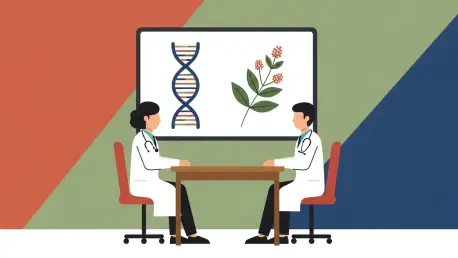
The curriculum of an Indigenous-led medical institution diverges from standard models by integrating traditional healing practices alongside rigorous biochemical and clinical training. This duality allows students to understand health as a holistic balance between physical, mental, and spiritual well-being, a perspective that is often marginalized in conventional Western settings. For instance, coursework might include the study of ethnobotany and the role of tribal elders in community wellness, ensuring that future doctors respect the existing knowledge systems of their patients. Such a framework does not replace modern medicine but rather enhances it by fostering a level of cultural humility that is essential for patient compliance and long-term health outcomes. When a physician speaks the language of the community, both literally and metaphorically, the diagnostic process becomes more collaborative and less clinical. This specific focus on localized care ensures that graduates are uniquely equipped to handle the high rates of diabetes and heart disease prevalent in these areas.
Addressing the physician shortage requires more than just building a facility; it demands a fundamental restructuring of the medical school pipeline to support Native students from rural backgrounds. Currently, Indigenous people make up a negligible fraction of the total physician workforce, a disparity that directly correlates with the lack of accessible mentorship and financial support. By establishing a medical school on tribal land, the program creates a visible pathway for local youth who might otherwise view a medical degree as an unattainable goal. These institutions often prioritize admissions for students who demonstrate a commitment to serving their home communities, thereby ensuring that the investment in their education yields direct benefits for the tribe. Furthermore, the presence of Native faculty members serves as a powerful catalyst for student success, providing a support system that understands the specific pressures of balancing academic rigors with tribal obligations. This internal cultivation of talent is the most sustainable method for staffing rural clinics that have historically relied on temporary, non-native contract workers.
Sustaining Local Ecosystems: Beyond the Hospital Walls
The economic implications of establishing a specialized medical school extend far beyond the immediate healthcare sector by stimulating local infrastructure and professional development. When a medical school opens, it necessitates the expansion of residency programs in nearby rural hospitals, which in turn upgrades the quality of technology and services available to the entire community. This decentralized model of medical education keeps specialized talent within the region, preventing the “brain drain” that typically occurs when students move to metropolitan centers for training and never return. Moreover, the school acts as an anchor institution, attracting federal research grants and private investments that focus on health issues specific to Indigenous populations. These research initiatives are often conducted with a level of ethical oversight that was previously absent, ensuring that tribal data remains under tribal control. By creating a hub for innovation and employment, the medical school strengthens the social fabric of the nation, proving that health and economic stability are deeply intertwined.
The development of an Indigenous medical school demonstrated that sovereignty over healthcare education was a critical step in dismantling long-standing health inequities. Policymakers and tribal leaders recognized that localized training programs provided a more effective solution than generic federal interventions. It was observed that when medical education prioritized cultural alignment, the resulting trust between providers and patients significantly improved the management of chronic illnesses. To build on this success, it was recommended that future initiatives focus on expanding telehealth infrastructure to connect these rural medical hubs with remote satellite clinics. Funding mechanisms were also shifted to support long-term tribal autonomy rather than short-term project grants. The transition toward tribal-led medical education proved that the most effective way to care for a community was to empower that community to train its own healers. This model provided a blueprint for global efforts to achieve health equity through localized, culturally specific training.