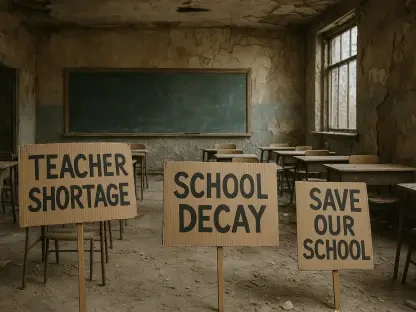

Despite a December 2025 court order to maintain funding, federal officials are reportedly continuing efforts to dismantle a bipartisan grant program aimed at student safety and psychological support. This persistence has forced a coalition of twenty state attorneys general to initiate a lawsuit against the Department of Education, alleging the illegal withholding of funds. As schools across the country face high levels of student anxiety and behavioral challenges, the sudden absence of these resources threatens to destabilize existing support networks. The legal battle highlights a conflict over whether the executive branch can ignore congressional spending mandates. Legal experts note that this is a major test of the separation of powers, as states defend the wellbeing of their youth against federal shifts. As the 2026 academic year progresses, districts remain in a state of uncertainty, waiting for the release of essential aid to continue their vital safety programs.
Executive Authority and Judicial Oversight
The Basis of the Multi-State Lawsuit
Attorneys from states like California and New York argue that the Department of Education has exceeded its legal authority by creating administrative barriers that halt the distribution of these funds. These grants, approved under the Bipartisan Safer Communities Act, were designed to provide critical mental health assistance to schools in underserved areas. By introducing complex new reporting rules, federal officials have created a functional freeze on the capital. State leaders claim these actions are not about efficiency but are a deliberate effort to block previously settled legislative priorities. This legal friction is amplified because states had already budgeted these federal dollars for 2026, meaning a permanent loss would cause immediate layoffs for school counselors. The lawsuit asks for an injunction to stop the freeze and ensure the money is spent as the law intended. This defense of statutory funding is vital for the continued operation of campus safety initiatives.
Violations of the Impoundment Control Act
The legal team has focused heavily on the Impoundment Control Act, which prevents the executive branch from substituting its own funding priorities for those of Congress. Evidence has surfaced in the form of internal memos suggesting that federal agencies intended to reprogram these school safety funds for other uses without legislative approval. This perceived violation of federal law forms the core of the states’ litigation, presenting a scenario where administrative choices threaten to bypass the checks and balances of the government. As the case proceeds, the potential for a Supreme Court review has become more likely, which would clarify the limits of federal agency discretion. In the meantime, the lack of financial clarity has forced school boards to delay the implementation of new safety protocols and emergency response training. This instability makes it difficult for administrators to provide a consistent environment for students who rely on these specialized services daily.
Socioeconomic Consequences for Local Schools
Disruption of Clinical Staffing Levels
The withholding of these resources has a direct and negative impact on the ability of schools to maintain professional staffing levels for psychological care. Since the beginning of 2026, many districts have used these grants to hire specialists who focus on trauma-informed instruction and crisis intervention. These roles are essential for creating a safe campus culture, yet they are the first to be cut when federal aid is restricted. In rural communities, the ratio of students to counselors has already begun to climb toward dangerous levels, making it impossible to provide individualized attention to those in need. Furthermore, the cancellation of specialized training for teachers means that educators are less prepared to handle student distress in the classroom. This creates a cycle where the lack of support leads to increased behavioral issues, which further strains the remaining staff. The loss of these practitioners is not just a budget issue; it is a significant safety risk.
Strategic Solutions for Sustainable Funding
The path forward required state governments to establish more resilient funding structures that were less dependent on the shifting priorities of federal agencies. By creating dedicated mental health accounts and pursuing regional partnerships with healthcare providers, some states successfully mitigated the impact of the grant freeze. Experts suggested that integrating school wellness services with broader public health systems allowed for a more sustainable flow of resources through insurance reimbursements. This transition ensured that the basic infrastructure for student support remained intact regardless of the outcome of the federal lawsuit. Additionally, advocates pushed for more transparent federal auditing to ensure that authorized funds reached their intended destinations without delay. These proactive steps allowed schools to regain their focus on student development, treating mental health as a core component of the educational mission. The eventual success of these efforts relied on a long-term commitment.