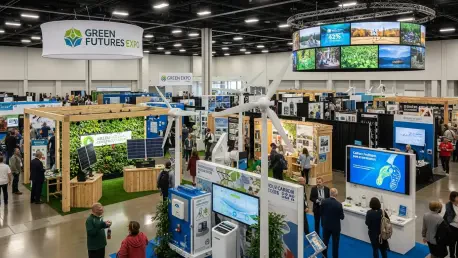

The halls of Salmon Arm Secondary recently transformed into a vibrant hub of ecological discourse as students from across the district gathered to present their findings during the second annual K-12 Environmental Expo. This event represented the culmination of a rigorous development cycle that began in early January, requiring participants to synthesize complex environmental data into accessible public presentations. The atmosphere was charged with a shared sense of purpose, facilitated by a diverse assembly of staff, local musicians, and school board officials who worked in tandem to provide a professional stage for youth-led advocacy. By moving beyond traditional classroom boundaries, the expo established a precedent for how educational institutions can serve as incubators for civic responsibility and sustainable thinking. The collaborative nature of the exhibition ensured that the projects were not merely academic exercises but rather significant contributions to the ongoing regional dialogue regarding the protection of the local ecosystem. Students utilized various mediums to convey their messages, highlighting a deep commitment to stewardship that resonated through every colorful display and meticulously researched presentation.
Academic Rigor Meets Environmental Advocacy
One of the most striking features of the expo was the integration of large-scale visual aids with interactive learning modules, exemplified by a massive six-by-eight-meter floor map of Canada’s watersheds. This installation allowed attendees to trace the complex pathways of water through the nation, with a specific focus on the vital role that the Shuswap region plays in supporting salmon populations. Parallel to these scientific displays, Law 11 students engaged in a high-stakes mock trial that interrogated the legal frameworks surrounding federal climate commitments. Presided over by an SD83 director in formal judicial attire, this exercise pitted student prosecutors against the federal government, forcing a deep dive into the nuances of environmental law and policy. This pedagogical approach successfully combined scientific inquiry with legal literacy, teaching students that environmental protection requires both an understanding of biology and a firm grasp of the legislative structures that govern resource management and carbon emissions.
The integration of cultural elements, such as live music from local performers and school bands, provided a cohesive soundtrack that unified the intergenerational audience around a central theme of sustainability. This creative atmosphere fostered a sense of community ownership over environmental issues, demonstrating that stewardship is a collective responsibility rather than an isolated academic pursuit. Organizers, spearheaded by Kim Fulton, noted that the success of the event provided a clear roadmap for future educational initiatives within the region. Moving forward, it became evident that establishing permanent student-led ecological task forces could further bridge the gap between annual events and daily conservation efforts. With the conclusion of this second iteration, the focus shifted toward expanding these frameworks to include more hands-on field research and policy-drafting sessions. Planning for the third annual expo sought to incorporate even more robust technological monitoring tools to track local water health, ensuring that the momentum generated during this expo translated into tangible outcomes for the entire Shuswap area.