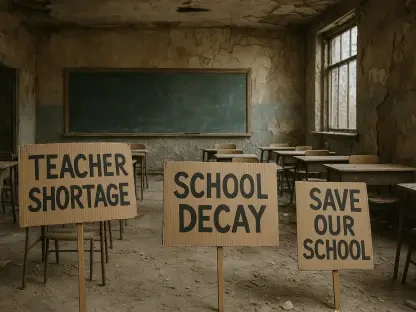

A critical shortage of qualified educators has forced many child care providers to close classrooms despite having the physical space to accommodate more children. This systemic bottleneck serves as a primary driver for the labor shortages currently plaguing Pennsylvania’s industrial and service sectors. When parents cannot secure reliable care, they are frequently removed from the professional market, leading to a direct contraction in regional economic output. The Schuylkill Chamber of Commerce has recognized that early childhood education is not merely a social service but a fundamental pillar of the state’s economic infrastructure. Recent legislative moves to bolster funding for these programs reflect a strategic pivot toward stabilizing the workforce for the 2026 to 2028 fiscal period. By prioritizing the accessibility of child care, policymakers are addressing the root causes of employee turnover. The Chamber’s support underscores a growing consensus that business health is linked to the availability of quality care across the whole state.
Strengthening the Labor Force: Strategic Funding for Child Care Works
Direct investments into the Child Care Works program represent a significant victory for regional economic development initiatives that seek to lower barriers for entry into the labor market. These funds are designed to subsidize the rising costs of care for eligible families, ensuring that the financial burden of professional supervision does not outweigh the wages earned by working parents. In Schuylkill County, where diversified manufacturing and logistical operations require a steady stream of dependable labor, such subsidies are vital. Without this financial cushion, many households would find it more economical to remain out of the workforce, further tightening an already competitive job market. The expansion of these programs through the 2026-2027 budget cycle aims to eliminate waitlists that have historically prevented hundreds of parents from accepting full-time positions. This injection of capital also provides child care facilities with the liquidity needed to maintain safe environments for children.
Beyond the immediate relief for families, these investments signal a long-term commitment to human capital development that begins well before a student enters the traditional K-12 system. Business leaders increasingly view early childhood education as the first step in the talent pipeline, where foundational cognitive and social skills are established. The Schuylkill Chamber’s advocacy highlights the fact that children enrolled in high-quality programs are more likely to achieve academic success and eventually contribute to a highly skilled workforce. Therefore, the current funding strategy is viewed as a proactive measure to ensure the future competitiveness of Pennsylvania’s industries. By framing child care as an essential utility rather than a luxury, the state is creating a more resilient business environment that can withstand demographic shifts. This approach fosters an atmosphere of stability that encourages companies to invest in the region with confidence in the long-term availability of a productive workforce.
Enhancing Provider Resilience: Professional Development and Wage Equity
Sustainable growth in the child care sector requires more than just subsidizing tuition; it necessitates a robust strategy for educator recruitment and professional retention. The current initiatives include targeted grants intended to bridge the wage gap between early childhood educators and public-school teachers, which has traditionally led to a drain of talent away from private centers. By providing the means for competitive salaries, the state enables providers to attract specialized staff who are trained in the latest pedagogical techniques. This shift is critical for maintaining the high standards required by the Keystone STARS rating system, which serves as a benchmark for quality across the Commonwealth. The Chamber has been vocal about the need for professionalizing the industry, arguing that well-compensated teachers provide more consistent and effective care. Enhanced training programs and certification pathways are being implemented to ensure that the workforce is highly prepared for the complex needs of today.
The successful implementation of these child care investments established a necessary framework for regional economic stability and provided a clear roadmap for future legislative priorities. Stakeholders recognized that the initial funding was a foundational step, but lasting success required continuous monitoring of program outcomes and resource allocation. Leaders in the business community recommended that local governments and private enterprises collaborate to create additional on-site care options and flexible scheduling policies. This proactive stance ensured that the momentum gained from state-level support was not lost but rather amplified through community-driven initiatives. Moving forward, the emphasis shifted toward integrating child care needs into broader urban planning strategies. By treating early education as a core component of the industrial ecosystem, Pennsylvania effectively mitigated the risks of labor stagnation and fostered a climate that prioritized long-term workforce health and steady economic growth.