
The remarkable transformation of Mississippi’s educational landscape serves as a blueprint for states grappling with systemic literacy challenges and historical performance gaps. Over the last several years, the state has achieved unprecedented gains in elementary reading scores, moving from the bottom of national rankings to a position of competitive excellence. This progress was primarily driven by the Literacy-Based Promotion Act, which emphasized early identification and intervention for struggling readers. However, as these successful cohorts advance into the middle and secondary grades, the focus must shift from basic decoding to sophisticated analytical skills. The challenge now lies in ensuring that the foundational success achieved in the third grade is not lost as students encounter more complex texts and abstract concepts in higher-level coursework. Educational leaders are currently mobilizing a new wave of resources aimed at secondary instruction, recognizing that a student’s ability to synthesize information across multiple disciplines is the ultimate measure of long-term academic health and workforce viability during the 2026 school year.
Navigating the Transition to Secondary Education
Integrating Literacy Into Diverse Content Areas
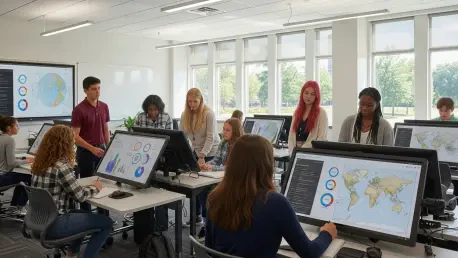
To address the evolving needs of older students, the Mississippi Department of Education has initiated a comprehensive strategy that integrates literacy instruction into content areas such as science, social studies, and mathematics. This approach moves beyond the traditional English Language Arts classroom, recognizing that the ability to synthesize complex information is essential for success in higher-level coursework. Educators are receiving specialized training to help students navigate technical vocabulary and dense informational texts, which become increasingly prevalent in the sixth through eighth grades. By fostering a shared responsibility for literacy among all faculty members, schools are creating a more cohesive learning environment where students can apply their reading skills to solve real-world problems. This cross-disciplinary focus is designed to maintain high expectations while providing the scaffolding necessary for students to tackle more rigorous academic standards effectively. The initiative encourages a deeper exploration of primary sources, preparing students for the intellectual rigors of college.
Strengthening Teacher Capacity Through Specialized Coaching
Furthermore, the deployment of literacy coaches, once reserved exclusively for elementary schools, has been expanded to include middle school environments to provide ongoing professional development for teachers. These coaches work directly with staff to refine instructional techniques, analyze student performance data, and implement evidence-based strategies tailored to adolescent learners. The goal is to create a sustainable model of improvement that does not rely solely on external mandates but is rooted in the daily practices of the classroom. As students encounter more sophisticated literature and complex historical documents, the role of the coach becomes vital in helping teachers differentiate instruction for diverse learners. This investment in human capital reflects a commitment to deepening the quality of instruction, ensuring that the progress made in the early years is not lost but rather built upon as students progress through the secondary school system. The presence of onsite experts allows for immediate feedback and the modeling of effective pedagogical strategies, which is essential for sustaining teacher morale and efficacy.
Expanding Career Pathways and Academic Opportunities
Aligning High School Curriculum With Economic Demands
Transitioning from the middle grades to high school necessitates a robust framework that prepares students for the transition to post-secondary opportunities or immediate entry into the workforce. Mississippi is currently focusing on expanding access to Advanced Placement courses and dual enrollment programs, which allow students to earn college credit while still in high school. These initiatives are coupled with a renewed emphasis on Career and Technical Education (CTE) pathways that align with the state’s economic needs and emerging industries. By providing students with clear trajectories toward high-demand fields like healthcare, technology, and advanced manufacturing, the state aims to increase student engagement and graduation rates. This strategic alignment ensures that academic success is not an end in itself but a means to achieving long-term economic stability and professional fulfillment. The emphasis on practical application of skills helps students see the relevance of their education, motivating them to stay on track. This approach bridges the gap between theoretical knowledge and practical skills, making the high school experience more meaningful for students.
Prioritizing Holistic Support and Student Resilience
In addition to academic and vocational pathways, the state is prioritizing comprehensive support systems that address the social and emotional needs of high school students. This includes improving access to guidance counseling and mental health resources, which are critical for navigating the complexities of the teenage years and planning for the future. Schools are also implementing peer-mentoring programs and early warning systems to identify students at risk of falling behind before they reach a crisis point. By taking a holistic approach to student development, Mississippi is working to ensure that every graduate possesses the resilience and adaptability required in a rapidly changing global economy. These efforts are supported by partnerships with local businesses and community organizations, creating a network of support that extends beyond the school walls. This collaborative ecosystem is essential for fostering a culture of achievement and ensuring that the gains realized in the early grades are carried through to the successful completion of secondary education. The focus on the whole child ensures that academic gains are supported by a stable environment.
Establishing a Sustainable Educational Framework
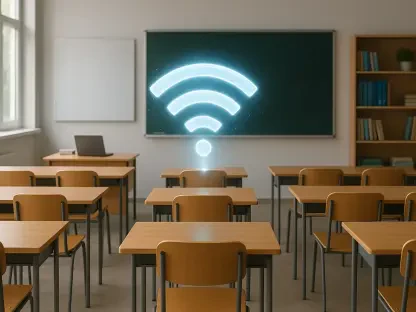
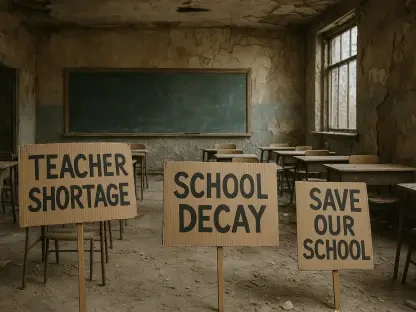
The initiatives launched to sustain educational growth demonstrated that a long-term commitment to student achievement required more than just early intervention. Stakeholders recognized that the success of the “Mississippi Miracle” depended on a continuous pipeline of support that evolved with the student. To move forward, policymakers prioritized the expansion of high-speed internet in rural districts to facilitate digital literacy and provide equal access to advanced coursework. They also implemented incentive programs to recruit and retain high-quality teachers in underserved areas, ensuring that every student had access to expert instruction. Furthermore, the state established a permanent feedback loop between higher education institutions and K-12 leaders to align graduation requirements with university expectations. These actions provided a clear roadmap for other states, proving that systemic change was possible through persistent investment and strategic planning. The focus shifted toward long-term data tracking to measure the impact of these secondary reforms on lifelong earnings and community stability.