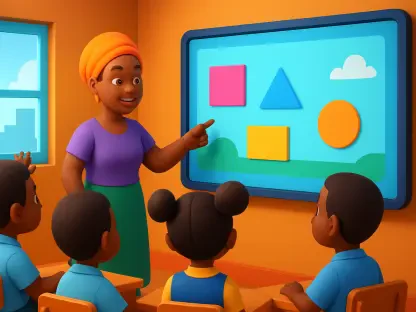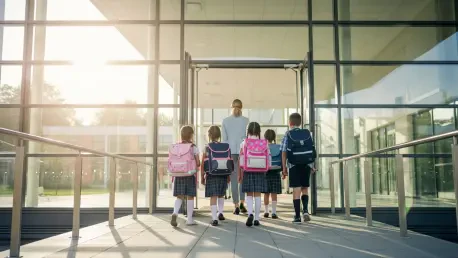

The silent struggle that many children face when they first walk through the gates of a primary school often goes unnoticed until their academic and social trajectories have already begun to diverge significantly. A recent landmark study by Curtin University has provided a definitive evidence base for the benefits of preschool attendance, focusing on the specific demographic landscape of Western Australia. By examining a massive dataset involving more than 123,000 children, the research team established a direct link between early childhood programs and subsequent school readiness. In this region, the program known as kindergarten serves as a non-compulsory bridge before formal education begins. The findings suggested that these early learning environments act as an essential buffer against developmental risks, offering students a structured yet supportive space to build skills. This comprehensive evaluation highlighted the profound impact of early intervention in shaping a child’s future.
Evidence of Academic and Social Readiness
Evidence regarding the academic and social benefits of early education has become increasingly robust, showing that these programs are foundational for later success. When children engage with a structured curriculum before entering the primary system, they develop a range of competencies that are difficult to replicate in a home setting alone. These competencies include the ability to follow complex instructions, engage in collaborative play, and manage the frustrations associated with learning new tasks. The Curtin University study underscored that school readiness is not merely about a child’s ability to count or recite the alphabet, but rather their capacity to navigate a social environment effectively. Children who skipped these programs often struggled to adapt to the pace of a formal classroom, leading to early setbacks that could persist throughout their primary years. Consequently, educators are emphasizing a holistic approach to early development.
Quantifying the Benefits: Data From the Australian Census
The researchers utilized extensive data from the Australian Early Development Census to identify trends across a diverse array of demographics over the past several years. This data revealed that children who attended preschool were significantly more likely to be classified as ‘ready to learn’ upon entering first grade compared to their peers who stayed home. Marks of improvement were particularly visible in language skills and cognitive development, where preschool attendees consistently outperformed non-attendees. Furthermore, the census data highlighted that these children possessed a higher degree of social competence, which allowed them to build positive relationships with teachers and classmates from day one. By serving as a vital bridge, the kindergarten program helps children develop the academic stamina required for the long school day. These insights have provided a clear roadmap for educational authorities to refine their support systems for incoming students.
Bridging the Developmental Gap: Support for Vulnerable Groups
Despite these clear advantages, a concerning portion of the student population continues to enter the school system in a state of developmental vulnerability. Current data suggests that approximately one in five Australian children lack the foundational skills necessary to thrive in a formal learning environment. This vulnerability is not evenly distributed; children living in remote or socio-economically disadvantaged areas are frequently the ones most at risk. Ironically, these are the very children who would benefit most from the intervention of a high-quality preschool program, yet they are often the least likely to be enrolled due to barriers like cost or geographic isolation. This gap creates a long-term disadvantage that can affect career prospects and social mobility well into adulthood. Addressing this disparity requires a targeted effort to ensure that the most vulnerable families have access to the resources they need to give their children a fair start in life.
Evaluating Instructional Methods and Care Environments
Evaluating the effectiveness of different care environments is essential for determining which instructional methods yield the best outcomes for young learners. Modern early childhood education relies on a sophisticated mix of play-based exploration and structured skill acquisition to prepare children for the rigors of primary school. Educators must balance the need for social-emotional growth with the introduction of basic literacy and numeracy concepts. The quality of the care environment, whether it be a dedicated preschool or a long day care center, plays a pivotal role in how these skills are absorbed. Research indicates that the most successful programs are those that prioritize high-quality interactions between teachers and students, fostering a sense of security and curiosity. As families navigate their options, understanding the differences between these settings is crucial for making informed decisions that support a child’s long-term development.
Care Environment Dynamics: Comparing Daycare and Preschool
The comparative impact of long day care and preschool settings remains a subject of intense study among educational experts. While daycare attendance is often linked to higher cognitive and language scores, some research suggests it may also correlate with higher risks in social competence for certain children. This divergence is often attributed to the nature of group settings and the amount of one-on-one time children receive from primary caregivers during their most sensitive developmental years. Excessive hours in a high-stimulation environment without sufficient responsive interaction can sometimes lead to emotional maturity challenges. Therefore, the focus has shifted toward improving the instructional quality within daycare centers to match the standards of traditional preschools. Ensuring that every professional has the training to facilitate social-emotional growth is a key priority. This approach ensures that no matter where a child spends their day, they receive support.
Future Strategic Priorities: Universal Access and Long-Term Equity
The findings from the research provided a clear set of actionable priorities for the education sector as it moved toward 2030. Policymakers utilized the data to advocate for universal access to high-quality preschool, viewing it as an essential social investment rather than an optional service. Funding was redirected to support enrollment in underserved communities, successfully reducing the percentage of children entering school with developmental vulnerabilities. Additionally, schools implemented new diagnostic frameworks based on preschool performance to identify and support students with disabilities much earlier in their academic careers. Educators developed collaborative programs that allowed families to transition more smoothly into the primary school environment, fostering a community-wide commitment to early learning. These strategic changes effectively leveled the playing field for all students, ensuring that the benefits were felt across every demographic.