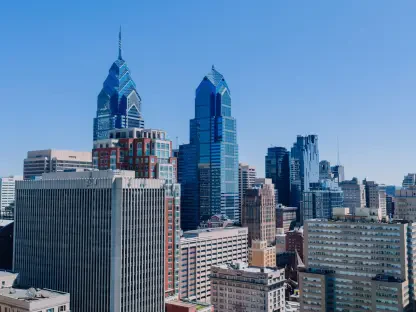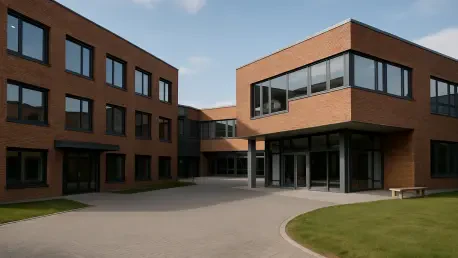

Philadelphia’s aging educational infrastructure is currently facing a critical breaking point as soaring regional temperatures frequently transform classrooms into uninhabitable environments for both students and faculty. When the mercury climbs toward the triple digits, the School District of Philadelphia often finds itself with no viable alternative other than transitioning thousands of students to virtual instruction to ensure their physical safety. This recurring phenomenon highlights a significant disparity between the modern academic demands placed on youth and the antiquated facilities that are supposed to house them throughout the academic calendar. Instead of focusing on traditional curriculum, administrators are now forced to monitor meteorological data with the intensity usually reserved for winter blizzards. The shift to online learning during heat waves is a drastic response to a systemic failure in maintaining climate-controlled spaces. This operational pivot is a necessity, as thermal conditions in buildings often exceed safe thresholds, leaving the district with little choice but to rely on digital tools that are now seasonal requirements for the community.
Infrastructure Vulnerabilities: Aging Buildings and Digital Pivots
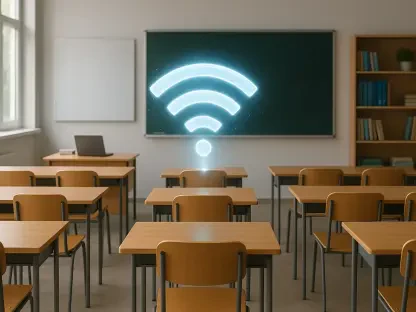
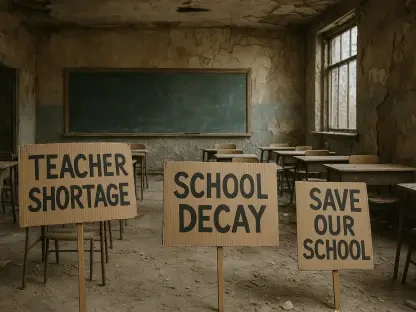
The primary driver behind these unexpected digital transitions is the staggering average age of school buildings within the district, many of which were constructed long before modern HVAC technology became a standard requirement. In many instances, the electrical systems in these historic structures lack the necessary capacity to support widespread window unit installations or centralized cooling upgrades without undergoing massive renovations. Consequently, when outdoor temperatures remain elevated for several consecutive days, the thermal mass of these stone edifices traps heat, causing indoor conditions to remain dangerously high even after the sun has set. District officials have noted that roughly sixty percent of their schools lack full air conditioning, creating a logistical nightmare whenever a late-spring heat dome settles over the Delaware Valley. This infrastructure deficit necessitates a rapid pivot to remote platforms, as the physical risk of heat exhaustion outweighs the drawbacks of a temporary move to screen-based learning. While administrators have attempted to install temporary fans, these measures are often insufficient against sustained extreme heat.
Stakeholders eventually recognized that the path forward necessitated a multifaceted approach involving state-level funding and community partnerships to bridge the gap between emergency response and permanent stability. The district successfully implemented a series of cooling centers and upgraded ventilation protocols that allowed schools to remain open even during significant temperature spikes. Policymakers also prioritized the integration of climate resiliency into the core curriculum, teaching students about the environmental challenges facing their city while providing them with the tools to navigate a changing world. This comprehensive strategy moved the conversation away from temporary digital pivots and toward a robust, modernized physical infrastructure that protected the health and educational outcomes of every student. By investing in these sustainable upgrades, the city ensured that the educational process remained uninterrupted by the elements, fostering a more equitable and reliable system for the entire community. These decisive actions provided a blueprint for other urban centers facing similar environmental pressures, turning a seasonal crisis into a catalyst for systemic renewal across the region.