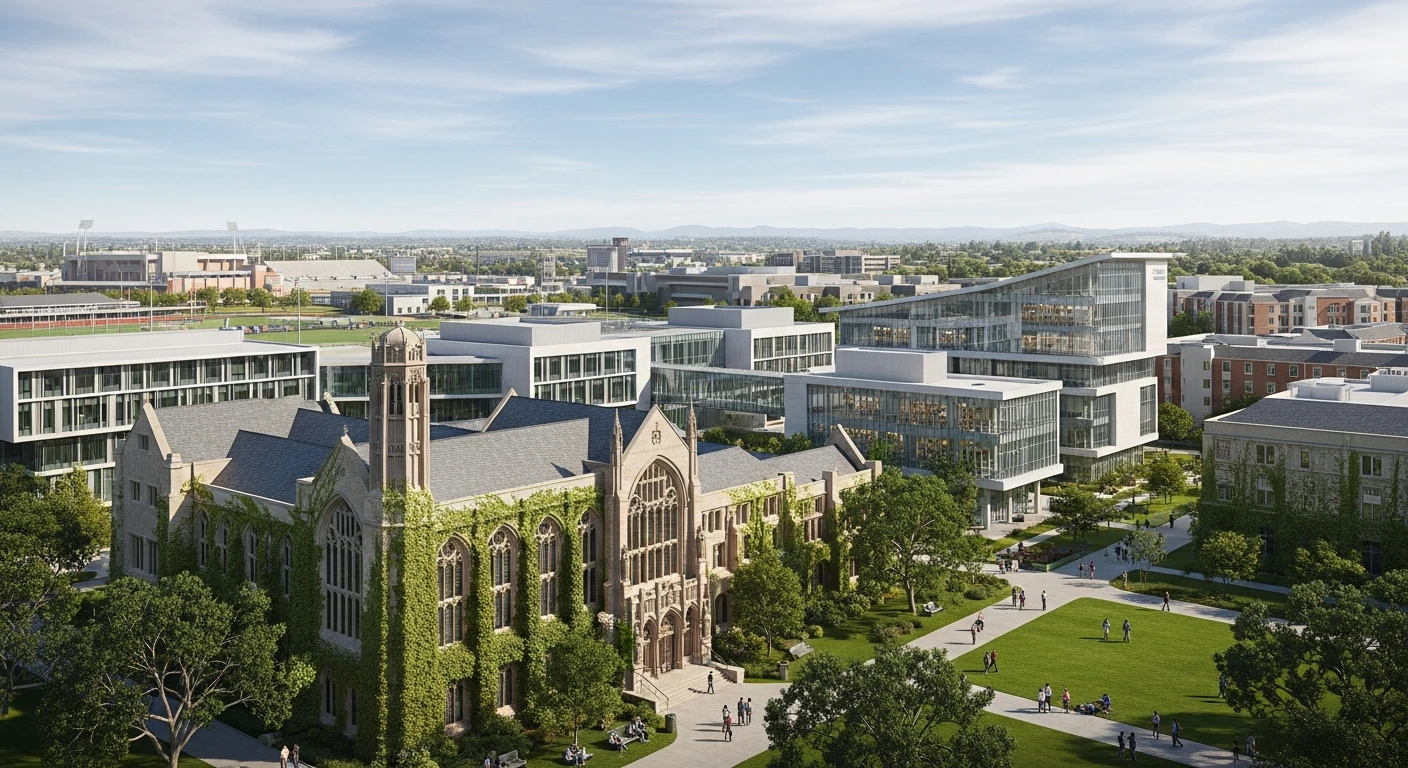

The architectural landscape of higher education is undergoing a fundamental transformation as institutions recognize that physical spaces directly influence the psychological resilience and academic perseverance of the modern student body, especially since social isolation has become a significant barrier to graduation. Recent data from 2026 indicates that a vast majority of students report feeling persistent loneliness, a trend that correlates directly with declining retention rates and a spike in psychological distress across campuses. However, there is growing evidence that the physical environment serves as much more than a backdrop for lectures; it is a vital tool for fostering the social bonds necessary for academic success. When students feel a deep sense of belonging, they are more likely to engage with their studies and overcome the inevitable stressors of university life. This realization has prompted architects to move away from sterile, utilitarian designs toward environments that prioritize the emotional and social needs of the diverse student body.
Frameworks for Health and Inclusion
Sensory and Physical Design Pillars
Lighting serves as one of the most critical sensory factors in designing spaces that support student wellbeing, as traditional fluorescent fixtures often create clinical atmospheres that exacerbate anxiety and fatigue. Modern campus interiors are increasingly utilizing tunable LED lighting systems that mimic natural circadian rhythms, shifting from cool, energizing tones in the morning to warmer, amber hues in the late afternoon. This transition helps regulate sleep patterns and reduces the ocular strain associated with long hours of digital study. Beyond illumination, acoustic management is being prioritized to mitigate the disruptive noise levels common in high-traffic academic hubs. By incorporating sound-absorbing materials such as felt wall panels, acoustic baffles, and heavy textiles, designers create zones where students can focus without the constant distraction of background chatter. These intentional sensory adjustments transform a standard library or hallway into a sanctuary that respects the neurological needs of its users, making the environment feel more like a supportive home than a cold institution.
Ergonomics and tactile diversity further enhance the feeling of physical safety and comfort, allowing students to occupy a space for extended periods without experiencing physical or mental exhaustion. Rather than relying on rigid, one-size-fits-all furniture, universities are adopting flexible seating options that cater to different body types and study habits, including adjustable-height desks and soft, modular lounge seating. The choice of materials also plays a significant role in fostering a sense of belonging; natural wood, soft wools, and textured fabrics evoke a domestic warmth that helps students feel at ease in a public setting. This approach is particularly effective in transitional zones like entryways and corridors, where the shift from outdoor to indoor space can often feel jarring. By selecting materials that are both durable and inviting, designers communicate to students that their physical comfort is a priority. This focus on the human touch within large-scale architecture helps dismantle the intimidating nature of legacy campus buildings, replacing it with a more approachable and inclusive aesthetic.
Biophilic Elements and Cognitive Rest
Integrating nature into the interior fabric of university buildings, a practice known as biophilic design, has proven to be a highly effective method for reducing cortisol levels and improving cognitive performance. Since students spend the majority of their waking hours indoors, the inclusion of living walls, indoor gardens, and water features provides a much-needed connection to the natural world. These elements do more than just improve air quality; they offer visual breaks that allow the mind to recover from the intense focus required by academic work. Research has shown that even a brief view of greenery can lower heart rates and enhance creative problem-solving abilities. Consequently, modern renovations often include the expansion of window bays to maximize natural light and offer expansive views of campus landscapes. By blurring the boundaries between the built environment and the natural world, designers create a holistic ecosystem that supports the biological needs of the student, leading to a more restorative and productive learning experience that extends far beyond the traditional classroom.
In addition to vibrant social hubs, the need for dedicated spaces for cognitive rest and sensory de-escalation is becoming a cornerstone of inclusive campus design. As the student population becomes more neurodiverse, institutions are recognizing that the constant stimulation of a bustling campus can be overwhelming for those with sensory sensitivities. Designers are responding by creating low-stimulation zones characterized by neutral color palettes, minimal patterns, and adjustable lighting. These quiet rooms are not merely for sleeping; they are strategically placed to offer students a place to reset their cognitive load between lectures or social activities. Providing such retreats demonstrates a commitment to universal design, ensuring that every student, regardless of their sensory profile, has a place where they feel comfortable and centered. This inclusivity fosters a deeper sense of belonging, as it acknowledges and accommodates the diverse ways in which individuals experience the physical world. Ultimately, these spaces for reflection and calm are essential for maintaining the mental stamina required for a successful and balanced academic career.
Architecting Social Connection and Academic Success
Residential Environments as Social Catalysts
The impact of residential design on student success is perhaps most evident in academic data from 2026, which shows a strong correlation between on-campus living and higher graduation rates. At the University of Oregon, for example, studies have consistently revealed that students residing in thoughtfully designed campus housing maintain higher grade point averages than their peers living off-campus. This success is not purely accidental but is the result of architectural choices that prioritize social visibility and peer-to-peer interaction. When students are placed in environments that encourage casual encounters—such as central courtyards or glass-walled study rooms—they are more likely to build the support networks that keep them enrolled during difficult semesters. These social anchors act as a buffer against the loneliness that often leads to early withdrawal. By investing in high-quality residential interiors, universities are essentially investing in a retention strategy that leverages the power of community to drive academic excellence and personal growth.
To further capitalize on the social potential of residential life, designers are reimagining traditional floor plans to move away from isolated dorm rooms toward communal living models. This involves the creation of oversized hallways that function as social lounges and shared kitchens that invite students to gather and interact over daily activities. These sticky spaces are designed to keep students out of their private rooms and engaged with their community, reducing the risk of social isolation. By treating every square foot of a residential building as a potential site for connection, architects can facilitate the organic formation of friendships and study groups. Furthermore, the inclusion of multi-purpose common areas allows for a variety of student-led events, from movie nights to collaborative projects, which strengthens the bond between the individual and the institution. When the physical layout of a building naturally promotes interaction, students are more likely to feel like an integral part of the campus culture, which significantly enhances their overall wellbeing and their desire to remain on their academic path.
Strategic Integration and Future Implementation
Implementing these changes requires a strategic commitment to auditing existing facilities to identify where lighting, acoustics, and furniture fail to meet modern standards. University administrators should integrate student focus groups into the design phase of every renovation, ensuring that the people using the spaces have a direct voice in their creation. Furthermore, institutions must allocate specific budgets for biophilic upgrades and sensory-respite zones, acknowledging that these are essential components of student health rather than luxury additions. Adopting a phased approach allows for the immediate improvement of high-traffic zones, providing relief while securing funding for longer-term projects. This proactive stance ensures that the campus environment remains resilient and adaptable to the evolving needs of the student body. By prioritizing these evidence-based solutions, universities can create a physical foundation that actively supports student success and long-term retention across all academic disciplines and social backgrounds.
Ultimately, the shift toward human-centric interior design proved to be a transformative development in higher education history, as it successfully addressed the crisis of student loneliness and academic disengagement. By prioritizing sensory comfort, natural integration, and social connectivity, institutions fostered an environment where belonging was a tangible reality for every resident. Graduation rates increased and student mental health metrics improved as the physical campus evolved into a supportive partner in the learning process. These successes demonstrated that the built environment played a fundamental role in academic outcomes and personal resilience. The adoption of evidence-based design and the blurring of boundaries between social and academic life created a more cohesive and inclusive community. As a result, the university experience was redefined as a holistic journey where every square foot contributed to success, ensuring that campuses remained vibrant hubs for connection.