
Families navigating the complexities of urban school transportation often face significant stress when determining the exact arrival times of district vehicles during inclement weather or unexpected traffic delays. The introduction of the My Ride K-12 mobile application serves as a pivotal modernization effort for Jefferson County Public Schools, replacing the aging infrastructure of previous tracking systems with a more robust and reliable interface. By streamlining the flow of data between the bus fleet and the handheld devices of guardians, this platform addresses long-standing concerns regarding transparency and safety. The shift represents more than just a software update; it is a fundamental realignment of how the district manages communication with thousands of households simultaneously. As student logistics become increasingly data-driven, the demand for precision has never been higher, necessitating a system that can handle high-frequency updates today.
1. Technical Features and Security
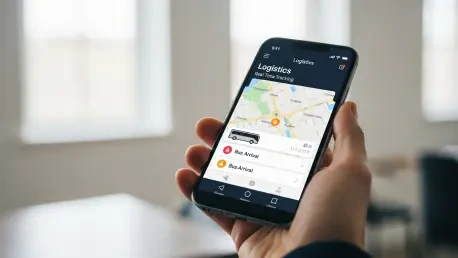
The core functionality of the My Ride K-12 application relies on sophisticated GPS synchronization that provides granular updates on a vehicle’s position relative to its designated route stops. Unlike legacy systems that often suffered from intermittent signal loss or delayed refreshes, this new platform utilizes cellular data transmission to ensure that the icons moving across the digital map reflect the physical reality of the bus on the road. This precision allows the district to establish dynamic geofences around specific stops, triggering automated notifications for parents the moment a bus enters a predefined radius. Consequently, students spend less time waiting at outdoor stops during extreme heat or freezing temperatures, as families can time their arrivals with much greater confidence. The integration of this technology into the existing fleet involved a comprehensive hardware audit to ensure every sensor and transmitter functioned at peak efficiency for the urban residents.
Beyond simple location tracking, the software architecture emphasizes a user-friendly interface that minimizes technical barriers for diverse populations within the school district. The application allows users to monitor multiple students within a single login session, even if those students attend different schools or utilize separate bus routes. This consolidation of data is a major improvement over previous iterations where parents had to navigate complex sub-menus to toggle between children. Security protocols have also been elevated, requiring specific student identification numbers and verified account credentials to access sensitive route information. This balance of accessibility and rigorous data protection ensures that the technological leap forward does not compromise the safety of the individual. By providing a clear representation of travel progress, the district fosters a sense of accountability and reliability that was frequently missing in the past transportation models for all.
2. Strategic Impact and Performance
The implementation of the My Ride K-12 system facilitated a direct line of communication from the central dispatch office to the end user, which allowed for instantaneous updates regarding route changes or mechanical issues. In previous years, such information often trickled down through phone trees or broad social media announcements that failed to reach the specific families affected by a localized delay. The system pushed targeted alerts to specific groups, ensuring that only those whose routes were impacted received the notification, thereby reducing information fatigue among the broader community. This efficiency extended to the drivers themselves, who utilized integrated tablets that provided turn-by-turn navigation and digital manifests, reducing the cognitive load on operators and allowing them to focus more intently on the safety of the road. Furthermore, the district analyzed the collected data to identify chronic bottlenecks in the city’s traffic patterns for the schools.
The successful deployment of this platform established a new benchmark for how large-scale school districts handled the intricacies of daily student transit. By prioritizing real-time data and secure user access, administrators effectively reduced the volume of inquiries directed at dispatch centers, allowing staff to focus on critical safety tasks rather than repetitive status updates. This transition proved that investing in high-fidelity GPS technology and intuitive mobile interfaces yielded immediate benefits in terms of public satisfaction and operational transparency. Families reported a significant decrease in morning anxiety as the predictability of the school commute reached unprecedented levels of consistency. Moving forward, the district utilized the accumulated performance metrics from 2026 to 2028 to overhaul its driver training programs, focusing on the specific route segments where data indicated the highest frequency of delays. This data-driven approach transformed the department.