
The rapid expansion of the Box Hill corridor has necessitated an immediate and comprehensive response from educational authorities to accommodate a student population that is growing at an exponential rate. As thousands of new homes are completed within the Gables and surrounding developments, the local school system faces the formidable task of providing high-quality learning environments while managing record-breaking enrollment numbers. This surge is not merely a local phenomenon but a reflection of broader urban shifts where young families are moving to the outskirts of major metropolitan areas in search of affordable housing and modern amenities. Consequently, the planning for these new schools involves more than just bricks and mortar; it requires a strategic integration of modular design, technology-enabled classrooms, and sustainable campus layouts. The challenge lies in ensuring that these facilities remain adaptable to future needs while offering immediate relief to the current overcrowding experienced by established neighboring schools. Educational planners are now prioritizing speed and scalability without compromising the quality of the learning experience for the incoming students.
Strategic Infrastructure and Rapid Development
Modular Architecture: Efficiency in Educational Construction
To address the urgent need for classroom space, developers and educational planners have turned to advanced modular construction techniques that allow for the rapid deployment of high-quality learning environments. Unlike the temporary portable buildings of previous decades, these modern prefabricated structures are designed with permanent utility in mind, featuring superior insulation, integrated climate control, and architectural aesthetics that blend with the main campus. By manufacturing these components off-site in controlled environments, authorities have significantly reduced construction timelines, allowing new schools to open their doors months ahead of traditional schedules.
This approach minimizes on-site disruption, which is particularly beneficial when adding capacity to existing schools that are already operating at or near their limits. These modular units can be reconfigured or expanded as enrollment patterns shift, providing a level of flexibility that is essential for a precinct undergoing such dynamic growth. As the Box Hill community continues to evolve, these scalable architectural solutions provide a blueprint for how growing urban areas can balance the immediate pressure of enrollment with the need for long-term durability and educational excellence across the district.
Scalable Design: Accommodating Future Student Influx
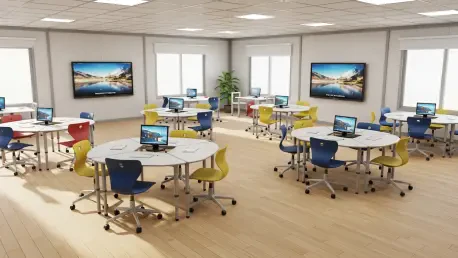
Beyond the speed of construction, the internal design of these modular spaces focuses on the principles of future-focused learning, prioritizing open-plan layouts and versatile furniture configurations. These environments are engineered to support various teaching modalities, from direct instruction to collaborative group projects, ensuring that the physical space does not become a hindrance to evolving pedagogical standards. The integration of acoustic treatments and high-efficiency lighting systems creates an atmosphere conducive to concentration and student well-being in high-density school environments.
The use of sustainable materials in these prefabricated units aligns with broader regional goals for reducing the carbon footprint of public infrastructure. By utilizing energy-efficient windows and recycled steel frames, the construction process significantly lowers waste compared to traditional building methods. This commitment to sustainability ensures that the new educational facilities are not only built quickly but are also responsible additions to the local landscape. The result is a network of schools that can grow alongside the population, providing a stable foundation for the region’s long-term development.
Technological Integration and Community Connection
Digital Infrastructure: Powering Modern Classrooms
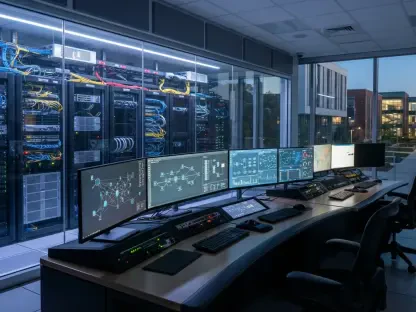
The schools in Box Hill are being equipped with state-of-the-art technological backbones designed to support a 1:1 student-to-device ratio and the heavy bandwidth demands of contemporary curricula. High-speed fiber optic connectivity and ubiquitous wireless access points are standard features, ensuring that students and teachers can interact with cloud-based resources and collaborative platforms without lag. This robust digital infrastructure is complemented by the installation of interactive display panels and specialized audio-visual equipment, transforming traditional spaces into immersive hubs.
Smart building management systems are also being implemented to monitor environmental conditions such as air quality and energy consumption in real-time, providing a data-driven approach to facility maintenance. This technological layer is not just about gadgets but about creating an ecosystem where data informs every aspect of the school day, from campus security protocols to personalized learning pathways for every student. By integrating these systems from the ground up, the district ensures that the schools remain at the forefront of educational technology for years to come.
Strategic Resource Allocation: Lessons from Implementation
The successful management of enrollment growth in Box Hill depended on the proactive coordination between state planners, local developers, and educational stakeholders. By implementing modular construction and high-capacity digital networks, the district established a resilient framework that effectively absorbed the influx of students while maintaining high standards of instruction. It was essential that authorities moved beyond traditional procurement methods to embrace flexible design principles that could adapt to the shifting demographics of the region as more housing developments reached completion.
Future efforts focused on the continuous monitoring of residential yield data to anticipate capacity needs well before they reached critical thresholds. Stakeholders prioritized the integration of vocational training facilities to align secondary education with the emerging job markets in Western Sydney, ensuring that students were prepared for the local economy. Investment in ongoing teacher training for specialized technology remained a cornerstone of the strategy, ensuring that the hardware continued to serve the pedagogical goals of the community. This model provided a clear roadmap for other corridors.