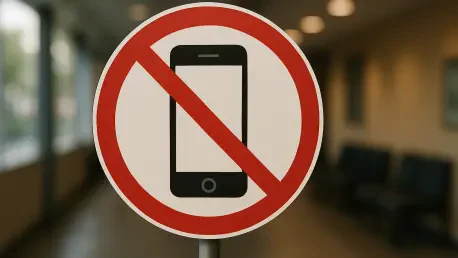

The sudden stillness within the hallways of Gary schools marks a significant departure from the digital hum that once defined the passing periods and classroom transitions of previous academic cycles. As the Gary Community School Corporation prepares for the 2026-27 school year, administrators are not merely suggesting a change in behavior but are instead enforcing a comprehensive statewide mandate that fundamentally alters the daily experience of every student. Administrators believe that removing constant digital connectivity will allow students to reclaim their attention spans and engage more meaningfully with their educational environment. While the sight of students staring at screens was once ubiquitous, the new regulations require that all personal communication devices remain stored and completely inaccessible throughout the duration of the school day. This shift represents a broader movement across Indiana to prioritize deep learning over the distractions of social media and instant messaging.
The Legislative Framework: Establishing New Educational Standards
The legal architecture supporting this transformation is Senate Enrolled Act 78, a piece of legislation signed into law by Governor Mike Braun to address the growing concern of digital interference in public education. Unlike previous regulations that only targeted phone usage during active instructional time, this mandate establishes a rigorous bell-to-bell policy that encompasses the entirety of the school day. This legislative push reflects a growing consensus among educators and policymakers that partial restrictions were insufficient and difficult to manage effectively. By granting school districts the authority to prohibit device access from the moment a student enters the building until they depart, the state has provided a clear mandate for reclaiming the classroom from the isolation of individual screens. This authority allows administrators to design strategies that eliminate ambiguity, ensuring teachers focus entirely on pedagogy.
In the city of Gary, school administrators have chosen a direct and physical method for enforcing these new rules rather than relying on more complex or high-tech solutions like locking magnetic pouches. The Gary Community School Corporation has mandated that all personal electronic devices must be placed inside the student’s assigned locker at the beginning of the day and remain there until the final bell rings. This physical separation is a strategic choice designed to ensure that devices are completely removed from the student’s person, thereby eliminating the temptation to check notifications during lunch or between classes. By using lockers, the district avoids the costs of specialized equipment while achieving the goal of digital disconnection. This approach also simplifies the process for faculty, who can now rely on the fact that any device seen in a student’s hand is a clear violation, streamlining the disciplinary process and maintaining a consistent standard throughout every building.
Defining Restricted Technology: Scope and Essential Safeguards
The definitions provided under the new district policy are intentionally broad to prevent the use of emerging technologies that might otherwise bypass traditional cellphone bans. Beyond the standard smartphone, the prohibition extends to a wide array of personal electronics, including smartwatches, wireless earbuds, high-fidelity headphones, and handheld gaming consoles. Crucially, the policy anticipates the evolution of wearable tech by explicitly mentioning smart eyewear, such as Meta glasses and other augmented reality devices, which could provide covert access to the internet or recording capabilities. By establishing such a comprehensive list of restricted items, the Gary Community School Corporation ensures that the academic environment remains free from all forms of digital distraction, regardless of the form factor. This forward-thinking approach prevents a situation where students simply transition from one device to another, ensuring that the spirit of the law is upheld across all grade levels.
While the ban is strict, the legislation includes critical safeguards to ensure that students with legitimate medical or educational needs are not unfairly disadvantaged by the new rules. For instance, students who require digital monitoring for chronic health conditions, such as those who use mobile applications to track glucose levels for diabetes management, are granted specific permissions to keep their devices accessible as required. Additionally, the district continues to honor accommodations outlined in Individualized Education Programs or 504 plans, where technology might be an essential tool for learning support or behavioral management. Provisions are also made for students who rely on translation software to bridge language gaps, allowing them to use devices as a vital communication bridge within the classroom. These exceptions demonstrate a balanced approach that prioritizes academic focus without compromising safety or inclusivity for individual students within the school environment.
Strategic Implementation: Ensuring Long-Term Success
Advocates for the away for the day policy point to significant evidence suggesting that a distraction-free environment leads to measurable improvements in both academic performance and student well-being. Research conducted across various school districts indicates that removing cellphones can result in higher standardized test scores and better retention of complex instructional material. Beyond the academic metrics, there is a strong focus on reducing the pervasive influence of cyberbullying and the social anxiety often fueled by constant social media updates during school hours. By fostering an environment where students must interact face-to-face, the Gary Community School Corporation aims to help young people sharpen their interpersonal communication skills and build stronger peer relationships. Teachers have noted that when students are not preoccupied with their digital personas, they become more active participants in classroom discussions, leading to a more collaborative experience.
To prepare for these changes, the district implemented several proactive measures to assist families in adjusting to the new standard of digital disconnect. Administrators organized community meetings where parents were briefed on the official protocols for contacting students during emergencies through the main office rather than via personal devices. This strategy ensured that vital communications were handled through secure, official channels without disrupting the classroom environment. Furthermore, school counselors developed resources for students to help them manage the initial transition away from constant screen time, focusing on alternative social activities and focus-building exercises. Families were encouraged to discuss these expectations at home well before the start of the academic year to ensure a smooth transition. By establishing these clear communication pathways and support systems, the corporation positioned itself to successfully implement the mandate while maintaining a strong community partnership.