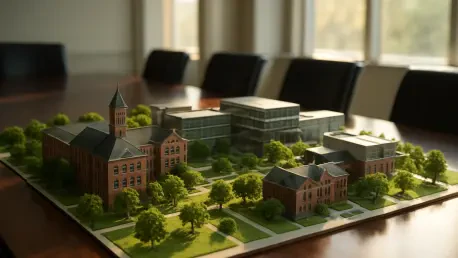

Administrative leaders face the difficult task of achieving fiscal discipline while funding the infrastructure necessary to support a larger campus community. This directive, established by the Board of Trustees, aims to expand the undergraduate population deliberately to reinforce the institution’s distinct teacher-scholar model. While the college remains committed to its status as the smallest member of the Ivy League, the shift toward a larger student body reflects a strategic move to broaden its global influence. Planning for this transition began this fall, focusing on how to scale numbers without eroding the intimate educational environment that defines the campus culture. Achieving this balance requires a meticulous approach that honors the university’s heritage while acknowledging the competitive demands of modern higher education. The goal is to ensure that every additional student enhances the academic discourse rather than simply filling a seat in an increasingly crowded lecture hall.
Strategic Growth and Historical Constraints
Lessons From Historical Fiscal Planning
Current expansion strategies are deeply informed by the rigorous assessments conducted by a 2017 task force that investigated the feasibility of increasing the student population by 10 to 25 percent. This historical analysis serves as a sobering reminder for modern administrators that growth does not automatically translate into a more robust financial bottom line. In many cases, the revenue generated by additional tuition is quickly offset by the massive capital expenditures required to expand essential infrastructure and maintain a high standard of living for students. By applying these lessons, the university seeks to implement a level of fiscal discipline that prevents the perceived efficiencies of a larger campus from being swallowed by construction and maintenance costs. This measured approach emphasizes that every phase of growth must be backed by a clear financial roadmap that accounts for the hidden costs of scaling up specialized programs and faculty support.
Analyzing Enrollment Costs and Revenue
Financial data spanning the last decade highlights the complexity of this institutional transition, revealing that the cost of attendance has risen far more rapidly than the student population itself. From 2026 through the end of this decade, the university must address the reality that while enrollment grew by a modest 6.9 percent in the preceding period leading up to 2025, the total price of a four-year degree surged by over 40 percent. With the annual cost of attendance now reaching nearly $96,000, the administration views expansion as a multifaceted institutional shift rather than a simple budgetary fix. The price of maintaining top-tier academic standards, faculty excellence, and state-of-the-art facilities continues to outpace headcount growth. Consequently, the strategy focuses on ensuring that any increase in student numbers contributes directly to the long-term sustainability of the college’s mission without placing an undue burden on the existing resources.
Preserving the Small-College Experience
Infrastructure Demands and Academic Standards
Veteran faculty members have raised substantial concerns regarding the physical and logistical constraints of a campus that is already operating near capacity. The urgent need for modernized student housing and advanced research facilities remains a primary hurdle that must be cleared to ensure that expansion does not compromise educational quality. Professors argue that for this growth to succeed, the college must commit to a simultaneous initiative that involves hiring more tenure-track faculty and constructing additional academic buildings. Without these targeted investments, there is a legitimate risk that the hallmark intimacy of the small-college experience could be diluted by the pressures of a more crowded environment. Class sizes must be kept manageable to preserve the close mentorship between students and scholars that the university is known for. Addressing these spatial limitations is not just about logistics; it is about protecting the academic integrity of the institution.
Strategic Pathways for Institutional Stability
Decision-makers successfully identified that the future of the institution rested on a proactive rather than a reactive growth strategy. They prioritized the creation of a sustainable financial model that emphasized endowment growth alongside tuition revenue to buffer against economic volatility. By investing in modular infrastructure and technology-enhanced learning spaces, the administration provided a flexible framework that accommodated a larger population without sacrificing the personal interaction characteristic of the campus. Moving forward, the implementation of a phased faculty hiring plan ensured that the student-to-teacher ratio remained low even as enrollment figures climbed. These actions demonstrated that expansion could serve as a catalyst for renewal rather than a cause for decline. To maintain this momentum, stakeholders recommended establishing a permanent infrastructure oversight committee and a dedicated fund for student support services to ensure the campus culture thrived.