The classroom of the modern era is no longer confined by four walls but is instead defined by the vast horizons of global exploration and the deep, cultural roots of local communities. Kacie Seitz, an enrichment teacher for grades three through five and the curriculum coordinator at Kamaliʻi Elementary School in Kīhei, embodies this shift through her selection for the 2026 Grosvenor Teacher Fellowship. This prestigious program, organized by the National Geographic Society in collaboration with Lindblad Expeditions, marks its 20th anniversary by empowering a select group of educators to turn international exploration into local inspiration. As one of only 36 educators chosen from across North America, Seitz is positioned to bridge the gap between global history and Hawaiian classrooms. This recognition places her among an elite group tasked with bringing real-world perspectives to their school communities, ensuring that geographic literacy becomes a cornerstone of student development.
Building Collaborative Networks and Curriculum Foundations
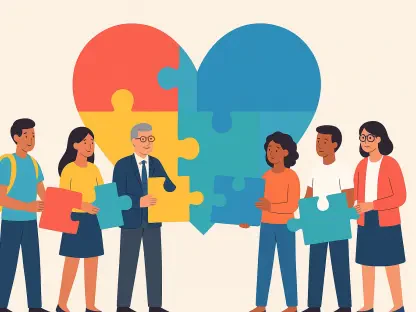
The foundational phase of this fellowship began in April 2026, when Seitz traveled to Washington, D.C., for an intensive pre-expedition workshop designed to foster professional networking and curriculum planning. This gathering served as a vital incubator for ideas, allowing educators to share over 570 years of collective teaching expertise while preparing for their respective journeys. During this time, Seitz established a significant partnership with Reva Lobatos, an educator from Aspen Elementary School in Riverton, Wyoming. Despite the obvious geographic and ecological differences between the islands of Hawaii and the mountains of Wyoming, the two teachers identified striking commonalities in their community values. Their collaborative work focuses on linking student storytelling with environmental perspectives, creating a thematic bridge that connects the distinct ecological heritage of the Pacific with the landscapes of the American West.
This collaborative effort is not merely a temporary alliance but a long-term strategy to enhance geographic literacy across different demographic backgrounds. By working with peers from diverse regions, Seitz is developing a curriculum that emphasizes the universal nature of human experience and environmental stewardship. The workshop in the nation’s capital provided the necessary tools to translate high-level expedition data into age-appropriate learning modules for elementary students. These modules are designed to encourage students to think critically about their own environments while considering the challenges faced by communities thousands of miles away. The fellowship emphasizes that the educator’s role extends beyond their own classroom, as they are expected to serve as mentors and leaders within their districts, sharing the resources and insights gained from this international professional development experience with colleagues.
Immersive Learning Across the Mediterranean
The center of this fellowship is a field-based expedition titled “Crossroads of the Ancient World,” which will take Seitz through the historic and culturally rich waters of Greece and Turkey. Traveling aboard the National Geographic Orion, she will participate in a rigorous educational journey that goes far beyond a typical expedition. This voyage is structured to provide hands-on research opportunities, where Fellows work directly with National Geographic experts, including naturalists, historians, undersea specialists, and professional photographers. By engaging with these specialists, Seitz will gain a multifaceted understanding of how ancient civilizations interacted with their environments. This immersive experience allows her to witness the intersection of history, culture, and marine biology firsthand, providing a wealth of primary-source material that will eventually be integrated into the curriculum at Kamaliʻi Elementary.
During this voyage, the focus remains on “listening deeply” to the narratives and histories that have shaped the Mediterranean region for millennia. Seitz intends to capture these diverse perspectives and translate them into lessons that resonate with her students in Kīhei. The goal is to move beyond the abstract dates and maps often found in history textbooks, replacing them with vivid accounts of cultural resilience and environmental adaptation. By documenting the traditions and historical sites of Greece and Turkey, she can provide her students with a more nuanced understanding of global heritage. This process of deep listening and documentation ensures that the knowledge brought back to Maui is authentic and comprehensive, allowing students to explore the complexities of the ancient world through the lens of a teacher who has walked those historic paths and engaged with the local experts who preserve them.
Cultivating an Explorer Mindset in the Local Community
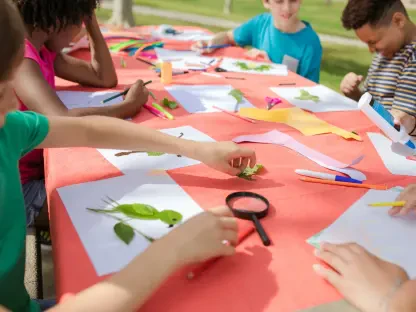
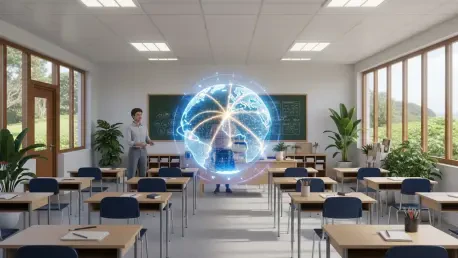
A recurring theme in this educational philosophy is the cultivation of an “Explorer Mindset,” which encourages students to approach the world with curiosity, empathy, and a desire for deeper understanding. At Kamaliʻi Elementary, Seitz utilizes project-based and place-based learning, treating the island of Maui as a living laboratory where students can apply the lessons learned from global history to their immediate surroundings. This approach helps students recognize that being an explorer does not require traveling to distant lands; rather, it involves looking more closely at one’s own community. By connecting the stories of the Mediterranean with the local context of Hawaii, she fosters a sense of global citizenship. Students learn that the ecological and cultural challenges faced by ancient civilizations often mirror the modern issues affecting their own island, creating a powerful sense of continuity and shared responsibility.
The fellowship is structured as a two-year professional commitment, ensuring that the impact of the expedition lasts long after the ship returns to port. Seitz is expected to lead professional development sessions, participate in global webinars, and contribute to the design of National Geographic’s international curriculum. This long-term engagement ensures that the benefits of her journey ripple outward, impacting the broader educational landscape of Hawaii. On a personal level, this fellowship also serves as a tribute to her late father, whose values of travel and service continue to inspire her career. By integrating these values into her teaching, she provides her students with a model for how to live a life of purpose and connection. The ultimate goal is to empower the next generation of students on Maui to see themselves as part of a larger global story, equipped with the knowledge and empathy needed to navigate an interconnected world.
Actionable Insights: The Path Toward Global Citizenship
The participation of Kacie Seitz in the 2026 Grosvenor Teacher Fellowship demonstrated the profound impact that field-based professional development can have on local education systems. By moving beyond traditional classroom boundaries, she successfully brought the complex history and ecology of the Mediterranean to the students of Maui. The fellowship provided a framework for educators to act as bridges between global events and local realities, proving that geographic literacy is essential for modern students. This initiative highlighted the importance of teacher-led exploration in fostering a sense of global citizenship and empathy. The results of this journey suggested that when teachers were given access to world-class resources and expert networks, they could transform their curriculum into a dynamic experience that prepared students for the challenges of an interconnected society.
Moving forward, the success of this program offered a blueprint for how schools can integrate global perspectives into local instruction. Educators were encouraged to adopt the explorer mindset by utilizing their immediate environments as living classrooms while seeking opportunities for international collaboration. The fellowship’s emphasis on long-term commitment and mentorship ensured that the knowledge gained was not isolated but was instead shared across the educational community. For schools looking to replicate this impact, the primary takeaway was the value of investing in high-level professional development that challenged teachers to expand their own horizons. By supporting educators in these pursuits, communities helped ensure that students developed the critical thinking skills and global awareness necessary to shape a more informed and compassionate future for the entire world.