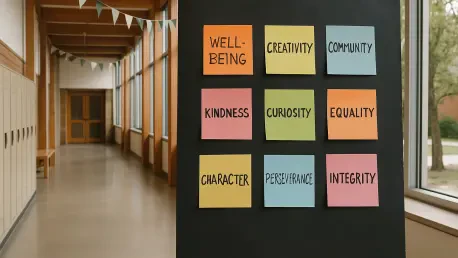

The educational landscape of Orange County is currently undergoing a profound metamorphosis as local school districts move away from narrow academic metrics to embrace a more multifaceted definition of student achievement. This shift is characterized by a deliberate focus on the psychological well-being of the student body, the integration of specialized learning tools for diverse learners, and a renewed emphasis on civic responsibility. Across the region, from the bustling classrooms of Santa Ana to the coastal campuses of Los Alamitos, administrators are recognizing that traditional testing alone cannot capture the full spectrum of a student’s potential in a modern, interconnected economy. By prioritizing inclusive practices and emotional intelligence alongside rigorous curricula, these institutions are setting a new standard for public education. This evolving framework ensures that graduates are not only academically prepared for elite universities but are also equipped with the resilience and empathy required to navigate complex social challenges. Consequently, the regional narrative is no longer solely about test scores, but about fostering an environment where every individual can thrive regardless of their specific learning profile.
Fostering Inclusive Innovation and Academic Excellence
A major component of this evolution is the rise of student-led initiatives that support neurodivergent learners through highly specialized, tactile environments. For instance, projects like the mobile sensory station at Hopkinson Elementary demonstrate how student leadership can directly improve the learning experience for those with complex needs. Wesley Avery, a freshman who dedicated hundreds of hours to this cause, utilized his personal experience with the special education system to create a waterproof, interactive cabinet that aids in emotional regulation. These grassroots efforts underscore a broader regional trend toward specialized, hands-on tools designed to aid developmental growth, ensuring that inclusivity is a tangible part of the daily classroom experience rather than just a theoretical policy goal. Such projects highlight the power of empathy-driven design, where students themselves become the architects of a more accessible educational future for their peers who require individualized sensory support during the school day.
While inclusivity remains a priority, academic and civic milestones continue to serve as a vital cornerstone of the identity of the county. From high school seniors like Manny Rodriguez Mejia earning multiple associate degrees before heading to Ivy League universities to middle schools receiving state honors for civic engagement, the region continues to push the boundaries of intellectual rigor. Success is increasingly defined by the ability of a student to navigate both competitive academic landscapes and the responsibilities of informed citizenship, reflecting a commitment to producing well-rounded graduates. The recent success of University High School at the national Academic Decathlon level further illustrates this culture of excellence. By balancing high-stakes competition with a deep-seated commitment to community service, schools in the area are proving that academic brilliance and social responsibility are not mutually exclusive but are instead complementary pillars of a modern education.
Strengthening the Instructional Foundation and Student Wellbeing
The success of these students is inextricably linked to the dedication of educators, who are receiving increased recognition for their role in fostering resilience. Initiatives like the Impact Schools program aim to identify and share effective teaching strategies across various districts, ensuring that high-performing methods are not confined to a single campus. By investing in teacher appreciation and professional development, the county is reinforcing the idea that a stable, well-supported instructional staff is the primary driver of student outcomes. Leaders like Superintendent Dr. Stefan Bean have publicly emphasized that the daily connections made in the classroom are what truly drive long-term student stability. When teachers are provided with the resources they need, such as the specialized physical education equipment recently awarded in Fullerton, they can better address the diverse physical and emotional needs of their students. This holistic support system creates a ripple effect, enhancing the overall quality of instruction and the safety of the learning environment.
Beyond the classroom, schools are prioritizing mental health and engagement through creative, interactive programs that leverage peer-to-peer influence. Student-produced films tackling substance use and suicide prevention show that authentic messaging is a vital tool in addressing modern social challenges. Simultaneously, large-scale events like STEAM days at professional sports venues keep students engaged with science and technology in ways that traditional textbooks cannot. However, as schools become more tech-reliant, they must also navigate new hurdles, such as cybersecurity concerns that highlight the vulnerabilities of modern digital learning platforms. The recent disruption of global learning systems served as a stark reminder that digital safety must remain a top priority for administrators. By integrating mental health awareness with technological literacy, districts are preparing students for the complexities of a digital age while ensuring they remain grounded in their own emotional well-being and social connections.
Adapting to Administrative Shifts and Policy Trends
As the educational landscape shifts, school leaders are also grappling with systemic changes in enrollment and state policy that require strategic foresight. While attendance is finally stabilizing across the state, an overall decline in student numbers presents a complex financial puzzle for local districts. At the same time, the expansion of programs like transitional kindergarten is sparking debates over how to maintain high quality while increasing access for younger learners. These administrative challenges require a delicate balance between fiscal responsibility and the commitment to providing early childhood education that meets modern developmental benchmarks. Leaders are finding that successful expansion requires not just more classrooms, but more specialized training for staff who work with the youngest students. This period of transition is pushing districts to rethink how they allocate resources, moving toward a model that prioritizes long-term sustainability over short-term fixes in an era of fluctuating state funding and shifting demographics.
Policy discussions regarding the school environment, such as the implementation of cellphone bans and the relocation of school communities, reflect a responsive approach to local needs. New research suggested that while certain restrictions can reduce daily distractions, they were not a magic fix for academic performance or behavior. This nuanced understanding indicated that the region moved toward data-driven decision-making, where the focus remained on creating an environment that best supported student focus and safety. Effective strategies involved transparent communication between administrators and parents, ensuring that every policy shift was grounded in the best interests of the children. Moving forward, districts established clearer protocols for digital device usage and prioritized the physical relocation of campuses when community concerns regarding neighboring facilities arose. These proactive measures ensured that schools remained sanctuaries for learning, where policy served the needs of the students rather than dictating them. Educational leaders ultimately proved that flexibility and empathy were the most effective tools for managing a modern school system.