
Ensuring the safety and emotional stability of more than one million public school students requires a sophisticated blend of legislative foresight, fiscal commitment, and a deep understanding of evolving behavioral data trends across the state. The Governor’s Advisory Council for Student Safety and Well-being recently convened to address these multifaceted challenges, marking a significant milestone in a comprehensive multi-year initiative that began earlier this decade and is set to culminate in final policy recommendations by 2027. Rather than relying on outdated disciplinary models, the council is currently analyzing how to integrate mental health support, nutritional security, and teacher retention into a unified defense against educational instability. This shift represents a departure from traditional reactive policies, focusing instead on a proactive, trauma-informed framework that acknowledges the interconnectedness of a child’s physical environment and their psychological capacity to learn and thrive in the classroom.
Financial Investments in Personnel and Nutrition
A fundamental component of the current strategy involves the stabilization of the teaching workforce through substantial pay increases and the restoration of additional compensation for master’s degrees. The underlying logic suggests that consistent, well-supported educators serve as the primary line of defense in maintaining a safe and productive school environment because they are the ones building daily relationships with students. When teachers are fairly compensated and feel valued by the state, they are significantly more likely to remain in their roles, providing the continuity necessary to identify early signs of student distress or behavioral shifts. This professional stability allows for more effective classroom management and fosters a culture of trust where students feel comfortable reporting concerns. By prioritizing the retention of experienced staff, North Carolina aims to create a more resilient educational infrastructure that can naturally mitigate conflict before it escalates into a safety crisis.
Beyond workforce retention, the state is prioritizing the “whole child” approach through significant recurring investments in specialized support personnel and nutritional programs. A proposed $32.1 million allocation is designed to facilitate the hiring of 360 additional mental health professionals, including school psychologists, counselors, and social workers, to move the state closer to national recommended staffing ratios. Complementing these mental health resources is a massive $90 million commitment to universal free breakfast and summer nutrition programs, based on the understanding that physical hunger constitutes a primary barrier to cognitive performance and emotional regulation. When students arrive at school without basic needs met, they are statistically more likely to exhibit behavioral outbursts and struggle with academic engagement. By ensuring that every child has access to consistent, healthy meals, the state effectively removes a major physiological stressor that frequently contributes to classroom disruptions and long-term disciplinary issues.
Strengthening Campus Security and Infrastructure
While physical security is a critical pillar of the current safety plan, the approach to law enforcement within schools has undergone a significant evolution to emphasize psychological awareness. The latest proposals include funding to ensure a School Resource Officer is present in every middle school, but this support is strictly contingent upon mandatory training in child development and trauma-informed practices. This requirement ensures that officers are not merely presence-based security but are equipped to understand the nuances of adolescent brain development and the potential impact of adverse childhood experiences. By bridging the gap between traditional policing and social work, these officers can act as mentors and de-escalation experts rather than strictly punitive figures. This nuanced integration of law enforcement aims to maintain a secure perimeter while simultaneously fostering a supportive interior environment where students feel protected rather than policed during their most formative middle school years.
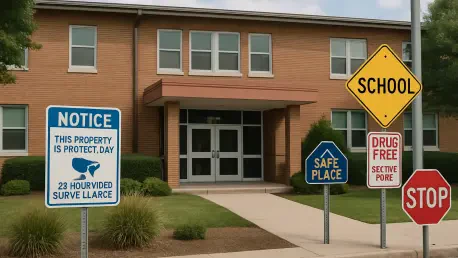
Infrastructure modernization also plays a central role in the state’s safety strategy, with a focus on both physical fortifications and digital monitoring tools. A substantial $115 million has been earmarked for essential repairs across various districts, while another $20 million is being distributed via safety grants to allow local schools to address their specific physical vulnerabilities. These funds empower individual communities to customize their security upgrades, whether that involves installing modern surveillance systems, securing building entrances, or improving campus lighting. Alongside these physical changes, a $500,000 investment in a specialized digital platform will enable the Center for Safer Schools to monitor behavioral threat assessments more effectively across the state. This technological integration allows for better communication between districts and state authorities, ensuring that potential crises are identified through data patterns before they manifest on campus. This combination of physical and digital safety measures provides a comprehensive shield for modern educational facilities.
Analyzing Current Trends in Student Conduct
Examining empirical data from the most recent academic reports provides a necessary counter-narrative to common public perceptions regarding a supposed rise in school-based violence. Findings from the Department of Public Instruction indicate that over 99% of students in North Carolina did not commit any violent or reportable offenses during the most recent school year, suggesting that the vast majority of campuses remain exceptionally safe environments. Interestingly, the data reveals that approximately 62% of the incidents categorized as “violent and reportable” actually involved the possession of controlled substances rather than physical altercations or weapon-related crimes. This distinction is crucial for policymakers because it shifts the focus of safety interventions from physical defense to substance abuse prevention and mental health support. By grounding policy in actual behavioral statistics rather than anecdotal fears, the council can allocate resources toward the specific issues that affect the student body, such as substance education and counseling.
Despite the overall low rates of serious crime, the data highlights specific “risk points” within the student journey where behavioral issues are more likely to manifest. Research shows that students in the sixth through eighth grades experience higher rates of suspension compared to other age groups, while the ninth grade remains a critical transition year where students are most vulnerable to dropouts and disciplinary incidents. This concentrated vulnerability suggests that the move from middle school to high school is a period of significant psychological and social stress that requires targeted intervention programs. Rather than applying a one-size-fits-all disciplinary policy, the state is moving toward “transition initiatives” designed to support students during these high-pressure years. By focusing on these specific developmental windows, educators can provide the necessary academic and emotional scaffolding to prevent temporary setbacks from turning into long-term failures. This targeted approach ensures that resources are deployed where they can have the most profound impact on student trajectory.
Strategic Recommendations for Future Policy
Looking toward the finalization of state-wide policies in 2027, the council is exploring the implementation of a comprehensive student well-being survey to gain more granular insights into student needs. Current biennial federal surveys often lack the frequency and specificity required to inform local policy decisions in real-time, making a state-specific tool essential for identifying emerging mental health trends. Additionally, there is a significant push to strengthen the threat assessment infrastructure by improving data sharing between local schools and the Center for Safer Schools. This enhanced communication network is designed to flag at-risk individuals early, allowing for multidisciplinary teams to provide support before a student reaches a breaking point. By shifting the focus toward early identification and holistic well-being, the state aims to replace reactive security measures with a network of care that addresses the root causes of instability. This strategic evolution emphasizes that true safety is found in the health and connectedness of the student body.
The council further examined the biological foundations of academic success by evaluating how school start times could be adjusted to better align with adolescent sleep schedules. Recognizing that chronic absenteeism is often a symptom of underlying health or social issues, the state developed a framework that treated attendance as a matter of public awareness rather than a purely disciplinary concern. Large-scale awareness campaigns were launched to re-engage families, while substance use policies were pivoted toward prevention and recovery models rather than simple exclusion from the classroom. These steps ensured that student well-being was treated as a prerequisite for safety, acknowledging that a healthy and engaged student is fundamentally less likely to engage in disruptive behavior. By integrating these scientific and social insights into a unified policy roadmap, North Carolina established a precedent for educational reform that prioritized the long-term emotional and physical health of its youth. This comprehensive strategy laid the groundwork for a more stable and supportive learning environment for the years ahead.