
The educational landscape in Dubai is undergoing a profound transformation as the city integrates flexible, home-based learning models to ensure that the youngest students receive consistent, high-quality instruction regardless of external disruptions. As of early 2026, the Knowledge and Human Development Authority (KHDA) has formalized a framework that bridges the gap between traditional nursery settings and the necessity of adaptable home environments for children aged zero to six. This strategic shift is not merely a response to past challenges but a proactive component of the Dubai Education 33 Strategy, which aims to build a future-ready learning ecosystem that prioritizes safety and cognitive growth. By diversifying where and how education occurs, authorities are creating a resilient infrastructure that empowers families while maintaining the rigorous standards expected of the city’s established educational institutions. This evolution reflects a growing global trend toward hybrid educational models specifically tailored to the unique developmental needs of modern urban families.
Implementation of Flexible Learning Models
Operational Dynamics of Residential Learning Hubs
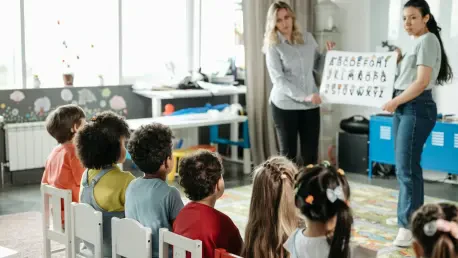
The introduction of Centre-Led Home-Based Learning (CLHL) Hubs represents a significant departure from conventional schooling by allowing small, nursery-style groups to convene in approved residential settings. These hubs are designed to accommodate up to eight children from various families, providing a communal learning experience that mirrors the social benefits of a classroom while remaining within a domestic environment. This model is strictly supervised by licensed center staff, ensuring that the pedagogical quality remains indistinguishable from that provided in a formal institution. To qualify for this arrangement, residential spaces must undergo thorough evaluations to verify they meet specific health and safety requirements conducive to early childhood development. By decentralizing the learning environment, the KHDA has provided a scalable solution that maintains the continuity of social interaction and peer-to-peer learning, even when access to traditional school buildings is restricted due to government mandates or other contingency periods.
Specialized Support via Dedicated Home Educators
In addition to communal hubs, the CLHL Educators model offers a highly personalized approach to early childhood education by dispatching qualified, KHDA-registered teachers directly to individual households. This specific track is intended for families who prefer a one-on-one instructional setting or have siblings who would benefit from a shared private tutor within their own home. These educators are not merely childcare providers; they are trained professionals responsible for implementing a structured curriculum that aligns with the developmental milestones of children in the zero-to-six age bracket. The flexibility of this model allows for a more tailored pace of learning, addressing the specific cognitive and emotional needs of the child in a familiar surroundings. It is crucial to note that these services are strictly contingency-based, meaning they are activated only during periods of state-mandated distance learning. This ensures that the primary mode of education remains centered on institutional excellence while providing a robust backup for families when circumstances shift.
Regulatory Oversight and Strategic Objectives
Mandating Compliance Through Quality Assurance Frameworks
To safeguard the interests of both students and parents, the KHDA has implemented a rigorous seven-point requirement system that all early childhood centers must satisfy before deploying home-based services. This comprehensive framework mandates that centers obtain specific licensing approvals, conduct detailed risk assessments for each home environment, and establish transparent parental agreements that outline expectations and responsibilities. Furthermore, the regulations require the maintenance of strict child protection policies and consistent supervision schedules to prevent any lapse in safety or instructional quality. Centers are also obligated to keep detailed records of staff performance and secure comprehensive insurance coverage to mitigate risks associated with off-site educational delivery. By holding licensed institutions fully accountable for the outcomes of home-based programs, the regulatory body ensures that the transition from a classroom to a residence does not result in a decline in standards. This oversight provides parents with the confidence that their children are receiving a premium education.
Long-Term Vision for Educational Continuity and Choice
The transition toward a more versatile educational infrastructure was finalized as part of a broader commitment to making Dubai a global leader in early childhood development from 2026 through the end of the decade. This initiative successfully positioned parents as vital partners in the learning process, allowing them to choose models that best suited their family dynamics during periods of external volatility. By synthesizing formal institutional oversight with the convenience of a home setting, the city established a resilient system that prioritized the safety and cognitive advancement of its youngest learners. Looking ahead, stakeholders should prioritize the regular updating of digital resources and the continuous professional development of educators to ensure they remain adept at navigating both physical and virtual teaching environments. The successful implementation of these home-based models demonstrated that quality education was not confined to a specific building but was instead a product of rigorous standards and adaptable delivery. Future strategies involved expanding these frameworks to include more diverse curricula.