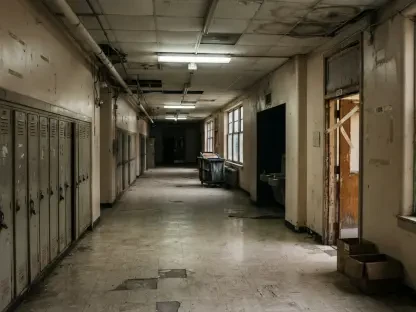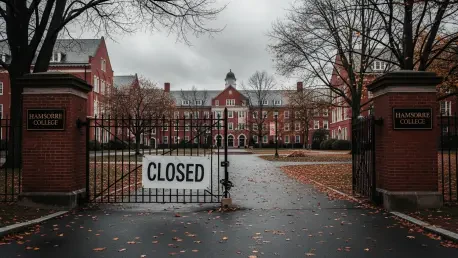

The sudden announcement regarding the cessation of operations at Hampshire College marks a sobering turning point for experimental education in the United States as the institution prepares to shutter its doors permanently this December. While the decision comes after years of public struggle, it highlights the increasingly precarious nature of small, tuition-dependent liberal arts colleges in a landscape defined by rising costs and shifting student priorities. Since its founding in the mid-1960s, Hampshire distinguished itself by eschewing traditional grades and departments, fostering a culture of self-directed inquiry that produced notable alumni. However, the modern fiscal environment has proved unforgiving to this specific model. The board of trustees recently determined that the path forward was no longer sustainable, necessitating a responsible wind-down to preserve what remains of the college’s resources for its community. This closure serves as a case study in the structural vulnerabilities facing niche academic institutions today.
Financial Pressures and Market Realities
Debt Obligations: The Regulatory Reality
The financial deterioration of the college was exacerbated by a crushing $21 million bond debt that left the administration with very little room for maneuver. This fiscal strain was brought into sharp focus by a critical warning from the New England Commission of Higher Education, which expressed serious concerns regarding the lack of sufficient financial resources to maintain high-quality academic programming over the long term. While the college attempted to navigate these challenges by exploring various buy-back options and refinancing strategies, the looming deadlines and high interest rates created a cycle of insolvency that proved impossible to break. The board’s efforts to secure the institution’s future through aggressive fundraising were commendable, yet they ultimately fell short of the massive capital requirements needed to address the core deficit. Regulatory oversight ensured that the college remained transparent about these struggles, but that same transparency also signaled to potential lenders and donors that the risks were becoming insurmountable.
Enrollment Metrics: The Impact of Student Choice
A primary driver of the current crisis is the consistent decline in student enrollment, which dropped from a peak of over 1,200 students to just 747 by the start of the most recent academic year. This trend reflects broader demographic shifts and changing attitudes toward liberal arts education, particularly models that lack traditional structured paths. In an attempt to generate new revenue streams, the administration sought to monetize its land assets through strategic development projects, yet these initiatives failed to provide the immediate financial relief required to stabilize the budget. The curriculum overhaul introduced in 2019 was designed to attract a new generation of learners, but the momentum failed to reach the critical mass necessary for sustainability. As a result, the tuition revenue that traditionally supported the college’s experimental mission became insufficient to cover the rising costs of faculty compensation, campus maintenance, and essential student services, leaving the institution with no viable path toward a balanced fiscal year.
Navigating the Path to Closure
Collaborative Solutions: The Five College Teach-Out Plan
To ensure that the current student body is not left in a state of academic limbo, the college has established a comprehensive teach-out plan in conjunction with the members of the Five College Consortium. Institutions such as Amherst College, Mount Holyoke College, and the University of Massachusetts Amherst have agreed to facilitate the transfer of credits and provide clear pathways for students to complete their degrees without delay. This collaborative approach highlights the strength of regional academic partnerships during times of institutional crisis. Prospective students who had already submitted deposits for the upcoming term are receiving full refunds, and the admissions office has officially ceased all recruitment activities for new classes. By focusing on these logistical transitions, the college aims to uphold its commitment to its students even as it prepares for its final semester. The faculty and staff are also receiving support through various outplacement services, ensuring that the human impact of the closure is managed with the same degree of care and ethics that characterized the college’s original founding principles.
Future Considerations: Lessons for Institutional Sustainability
The resolution of the college’s financial difficulties provided essential insights for other small institutions currently facing similar demographic and fiscal headwinds. Proactive management of land assets and early diversification of revenue streams proved to be vital strategies that were, in this instance, implemented too late to reverse a decades-long trend. Administrators in the higher education sector should prioritize transparent communication with accreditors and stakeholders well before a crisis reaches the point of no return. The transition team successfully prioritized student outcomes by leveraging regional partnerships, a move that served as a model for responsible institutional wind-downs. It was determined that maintaining an orderly closure was more beneficial for the long-term legacy of the institution than attempting to operate under a diminished capacity that would compromise educational quality. Future considerations for struggling colleges included the necessity of rigorous bond debt management and the early adoption of hybrid learning models to broaden enrollment bases, ensuring that academic innovation remained anchored in financial reality.