
Many modern educational systems prioritize standardized benchmarks that often overlook the specific cognitive and emotional requirements of the individual student. This rigid framework can inadvertently stifle a child’s natural curiosity by forcing them to adhere to a schedule that matches their peers rather than their personal capabilities. In Milpitas, California, a distinct alternative emerged decades ago when a career educator named Candy Mathews realized that the existing preschool options failed to address the unique developmental trajectory of her own child. Rather than settling for a compromised experience, she established a program rooted in the belief that the school environment must adapt to the learner. This shift in perspective transformed early childhood education from a factory-style assembly line into a dynamic ecosystem where every milestone is celebrated based on genuine mastery. By focusing on the specific needs of the child, the institution has successfully cultivated a space where academic rigor and personal well-being are not mutually exclusive but are instead deeply interconnected components of a successful educational foundation.
Cultivating Mastery: The Mechanics of Personal Development
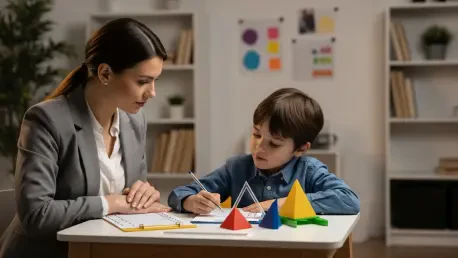
The core of this educational philosophy rests on the implementation of specialized Ability Checklists that serve as a roadmap for each student’s journey. Unlike traditional systems that move a child to a higher level simply because they have reached a specific age or calendar date, this method requires a demonstration of complete understanding before a new concept is introduced. This granular tracking system encompasses a wide variety of domains, ranging from fundamental literacy and complex mathematical reasoning to physical coordination and social-emotional maturity. By utilizing these detailed assessments, educators can identify exactly where a child stands at any given moment, allowing for a curriculum that is neither too fast to be overwhelming nor too slow to be monotonous. This approach eliminates the common pitfalls of standardized schooling, where students may develop gaps in their knowledge that become problematic later in their academic careers. When a child is allowed to progress at a natural pace, they develop a sense of confidence and autonomy that serves as a powerful motivator for future learning endeavors.
Maintaining a healthy equilibrium between structured academics and creative play is a vital aspect of ensuring that young learners remain engaged and emotionally resilient. While the curriculum is designed to be comprehensive and challenging, it intentionally avoids the high-pressure, competitive atmosphere that can often lead to burnout in early childhood. Instead, the program incorporates significant periods of social interaction and physical activity, providing students with the opportunity to apply classroom concepts in more relaxed, real-world settings. This strategic “play balance” ensures that the educational experience is perceived as a joyful and rewarding pursuit rather than a series of mandatory tasks. By fostering a positive emotional connection to the school environment, the institution helps children develop a lifelong love of discovery that extends far beyond the classroom walls. Educators observe that when children are given the freedom to explore their interests through play, they are more likely to internalize the lessons learned during formal instruction, leading to a more profound and lasting understanding of the subject matter.
Sustainable Leadership: Preserving Quality Through Consistency
The long-term success of this individualized model is largely attributed to the remarkable stability of the instructional staff and the administrative leadership team. Many key figures within the organization, including the current director, have dedicated decades of their professional lives to the school and were mentored directly by the founder in her specific pedagogical techniques. This continuity is essential for maintaining the integrity of the school’s culture and ensuring that the high standards established at its inception are consistently met. In an industry often characterized by high turnover rates, the presence of long-tenured educators provides a sense of security and familiarity for both students and their families. This deep institutional knowledge allows the school to refine its methods over time without losing sight of its original mission to provide a personalized education. The shared commitment of the staff creates a cohesive environment where the philosophy of individualized learning is not just a theoretical concept but a daily practice that is visible in every interaction. Such a stable foundation has allowed the school to remain a constant in the community throughout changing economic landscapes.
The true resilience of this educational model became particularly evident during the period of recovery following the global disruptions that reshaped the schooling landscape. While some families initially transitioned to larger public programs, a significant number eventually chose to return after observing the disparities in their children’s progress. These families noted that a lack of individualized attention resulted in a decline in academic performance, confirming the value of a mastery-based approach. This return rate functioned as a powerful endorsement of the school’s ability to cater to the whole child in a way that standardized models cannot match. The institutional growth recorded from 2026 to 2028 underscored the demand for educational models that prioritize the student over the system. By emphasizing professional development and community engagement, the school successfully positioned itself as a durable blueprint for future early childhood initiatives. It demonstrated that prioritizing the individual is not only a pedagogical preference but a sustainable strategy for long-term academic excellence.