
The fundamental promise of a public education system rests on the ability of every student to receive individualized attention within a supportive learning environment, yet recent data suggests this ideal is becoming increasingly unattainable in Manitoba. A comprehensive survey of nearly 3,500 educators conducted by Probe Research reveals a systemic crisis where the gap between student needs and available institutional resources has widened to a breaking point. While the concept of inclusive education was designed to foster diversity and community, the current implementation lacks the necessary planning and funding to sustain itself. Educators now report that the sheer volume of trauma, socio-economic challenges, and diverse neurological requirements in a single room makes traditional teaching almost impossible. This shift in the educational landscape is not a gradual change but a dramatic transformation that has left front-line staff feeling overwhelmed and under-equipped to provide the quality of instruction that families expect and deserve.
The Evolution of Diverse Learning Needs
The demographic makeup of the average classroom has undergone a profound shift over the last decade, with 80 percent of educators confirming that classroom complexity has intensified significantly. Data indicates that nearly half of all teachers are now responsible for managing more than six students with complex needs in a single instructional setting, representing a massive increase from the figures recorded in the previous decade. This trend suggests that the “inclusive” model, while noble in its intent, has become a catch-all for students who require specialized psychological, medical, or behavioral interventions that the standard curriculum was never designed to address. Teachers are no longer just facilitators of knowledge; they have been forced into the roles of social workers, crisis counselors, and behavioral therapists. This transition from academic instruction to constant behavior management has reached a critical threshold, where the educational progress of the entire class is often dictated by the most high-need situations occurring at any given moment.
Beyond the statistical surge in complex cases, the qualitative nature of these challenges has become more difficult to manage within the current provincial framework. Educators are reporting a rise in students coming to school with deep-rooted socio-economic disadvantages and complex trauma that require intensive, specialized support. However, the survey findings suggest that the necessary clinicians and specialists are rarely available to intervene when these issues arise. Consequently, the daily routine in many schools has shifted from proactive learning to reactive crisis containment, where the primary goal is often just to maintain a safe and stable environment. This shift places an immense emotional and professional burden on teachers who must navigate these high-stakes situations without the specialized training or the dedicated time required for such interventions. The result is a growing consensus among staff that the current system is failing both the students who require extra help and the peers who may be overlooked during the process.
Resource Deficits and Systemic Support Gaps
The primary obstacle preventing meaningful progress in Manitoba classrooms is a staggering deficit in personnel, specifically among educational assistants and specialized clinicians. According to recent data, 78 percent of respondents indicated that students are not receiving the essential supports they need to succeed in a standard classroom environment. Furthermore, approximately 63 percent of teachers have observed a marked decline in the availability of educational assistants, even as the demand for their presence has reached an all-time high. Current estimates suggest that the province would need to double its existing number of educational assistants just to meet the baseline requirements of the modern classroom. Lillian Klausen, the president of The Manitoba Teachers’ Society, has noted that stagnant or declining resources mean that the most vulnerable students are effectively being left behind. Without these crucial support roles, the burden of care falls entirely on the lead teacher, who must divide their attention between dozens of students while managing high-intensity individual cases.
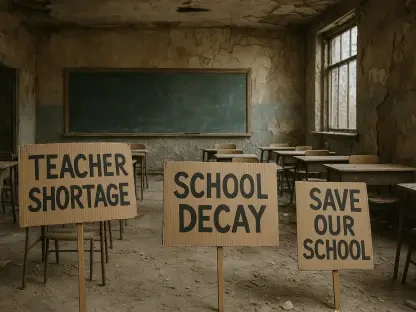
This lack of support extends beyond the classroom walls to include a systemic shortage of speech-language pathologists, psychologists, and other diagnostic specialists. When students with complex needs do not receive timely assessments or interventions, their challenges often compound, leading to more significant behavioral issues and academic setbacks as they age through the system. The “Classroom Reality 2026” campaign highlights that these shortages are not merely administrative inconveniences but structural failures that threaten the long-term viability of public education. When a teacher is required to act as a “one-stop shop” for every social and emotional issue that enters the room, the core mission of academic excellence is inevitably compromised. The survey results serve as a stark warning that the current trajectory is unsustainable, as the mental health and professional well-being of educators are being sacrificed to compensate for a chronic lack of provincial investment. The pressure to perform in these conditions has led to increased burnout and a sense of disillusionment across the sector.
Actionable Strategies for Educational Sustainability
To address this escalating crisis, provincial authorities and school divisions moved toward a structural re-evaluation of class sizes and composition limits. Policymakers recognized that simply increasing funding without changing the fundamental classroom model was insufficient to resolve the complexities identified by educators. The transition involved implementing mandatory caps on the number of high-needs students per class, ensuring that the teacher-to-student ratio reflected the actual intensity of the work required. Additionally, the province began prioritizing the immediate hiring and retention of educational assistants by offering more competitive compensation and stable professional development paths. By integrating clinicians directly into school environments rather than sharing them across multiple divisions, the response time for student crises decreased significantly. These steps were paired with a renewed focus on tiered intervention strategies that allowed for more flexible learning environments, moving away from a rigid “one size fits all” approach to inclusion.
The long-term solution required a collaborative framework where educational goals were aligned with health and social service departments to provide a holistic support network for families. Schools became hubs for multi-disciplinary teams, reducing the burden on individual teachers to manage non-academic issues. This shift allowed educators to return their primary focus to curriculum delivery and student mentorship, while specialists handled behavioral and medical complexities. Provincial leaders also updated the funding formulas to prioritize the actual complexity of the student population rather than just raw enrollment numbers. These changes served to stabilize the workforce and improve the overall quality of the learning experience for all students. By acknowledging the reality of the modern classroom and providing the specific personnel needed to manage it, the system began to restore the promise of a safe and effective public education. This proactive approach ensured that the diversity of the student body remained a strength rather than a source of systemic strain.