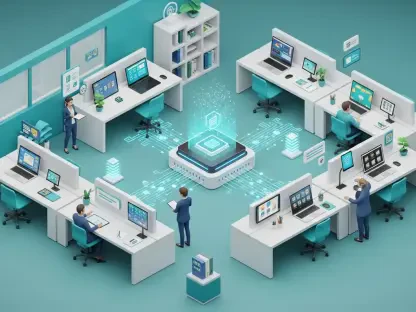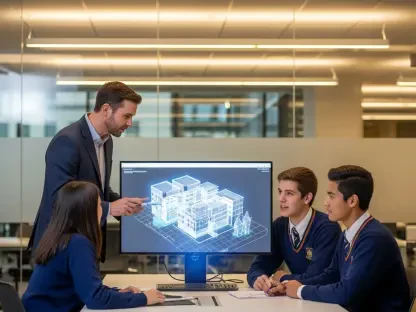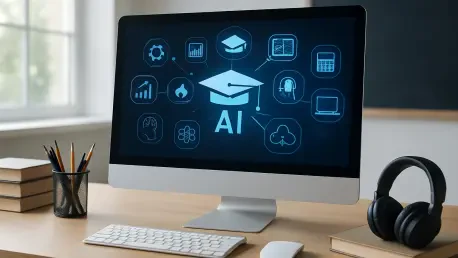
In the heart of Nova Scotia, the Halifax Regional Centre for Education (HRCE) is pioneering a remarkable shift in how students learn, leveraging the power of educational technology (EdTech) and artificial intelligence (AI) to redefine the classroom experience. This transformation is not just about

In an era where workforce skills must evolve at lightning speed to keep pace with technological advancements, traditional corporate training often falls short, leaving employees underprepared and disengaged. Enter Lenovo, a titan in global technology, and VR Vision, a Canadian innovator in

Introduction In school districts across the United States, special education departments grapple with an overwhelming reality: caseloads are surging, staff shortages persist, and compliance demands grow ever stricter, leaving educators stretched thin as they struggle to balance administrative

Picture a classroom where each student’s learning journey is uniquely customized, teachers receive immediate alerts about struggling individuals, and tedious tasks like grading are seamlessly automated. This vision of education, powered by artificial intelligence (AI), is no longer a distant dream

In a groundbreaking move to reshape the technological landscape for young minds in Atlanta, Georgia State University has joined forces with a leading tech giant to create a pioneering initiative focused on artificial intelligence education. This collaboration aims to bridge critical gaps in access
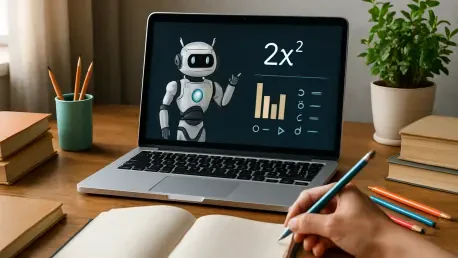
Introduction In an era where education systems strive to meet the diverse needs of millions of young learners, Artificial Intelligence (AI) stands out as a transformative force, tailoring education to individual strengths and weaknesses. Picture a classroom where every child receives lessons