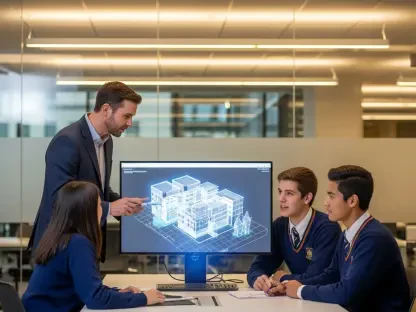

A student can now download a complete, AI-generated curriculum on quantum physics in the time it takes to brew a cup of coffee, yet their understanding of the subject remains as thin as the paper it is printed on. This paradox defines the current state of technology in the classroom, where the

Walking into a contemporary high school library, one might expect to find students hunched over physical encyclopedias, but the reality is a silent digital symphony of predictive text and generative algorithms. The traditional academic landscape has shifted so fundamentally that the old markers of

The traditional model of education often struggles to keep pace with the rapidly evolving needs of students who crave interactivity and purposeful challenge in their learning environments. Shifting the focus from passive listening to active discovery is no longer a luxury but a pedagogical

As the global education landscape undergoes a radical transformation driven by the rapid proliferation of generative artificial intelligence and sophisticated digital tools, the state of Kerala has taken a decisive lead in securing the future of its youth through a comprehensive regulatory
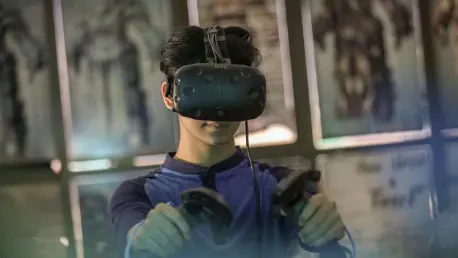
The traditional boundaries of the collegiate lecture hall have essentially dissolved in early 2026, replaced by a seamless integration of digital intelligence and physical reality that tailors every lesson to the specific neurological and professional needs of the individual student. This

The rapid proliferation of artificial intelligence across the educational landscape has transformed traditional classrooms into high-tech hubs of personalized learning while simultaneously exposing deep-seated digital vulnerabilities. Schools and universities now serve as testing grounds for