
By scaling back plans for the 2003 gymnasium and removing the dedicated community center, the district seeks to present a more fiscally responsible alternative to taxpayers. This refined strategy follows a previous referendum that faced significant opposition due to its broader scope and higher price tag. As the October 20 vote approaches, the Katonah-Lewisboro School District is prioritizing a mission-critical objective: meeting the New York State mandate for universal pre-kindergarten access by the 2028-29 academic cycle. The current proposal represents a $19.95 million investment, a figure meticulously calculated to address immediate educational requirements while minimizing the burden on local property owners. By focusing on essential renovations rather than expansive community amenities, the board has crafted a path forward that balances instructional quality with economic reality. This upcoming ballot measure is not merely a request for funding; it is a decisive moment for the district’s long-term infrastructure and its commitment to early childhood development within the community.
A Leaner Approach to Educational Infrastructure
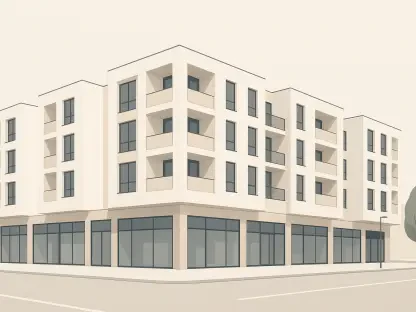
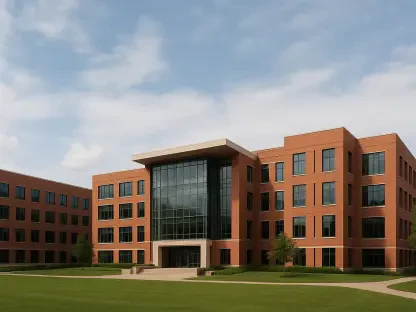
Central to the revised proposal is the strategic repurposing of the former Lewisboro Elementary School, which has served various functions since its closure as a standard K-5 facility. Rather than embarking on a costly new construction project, the district identified the existing structure as the ideal site for the new KLSD Early Childhood Center. This choice significantly reduced the total cost by $4.55 million compared to the previous plan, largely by narrowing the scope of the project to focus exclusively on educational needs. The board eliminated the community center designation, which previously included features that many residents felt were outside the district’s primary purview. Additionally, the renovation of the 2003 gymnasium addition was scaled down to reflect its new use as a space for younger children. These adjustments demonstrated a direct response to community feedback, showing that the administration listened to concerns regarding fiscal discipline and project necessity.
By utilizing an existing district asset, the Board of Education emphasized a commitment to long-term stability and operational efficiency. The project was structured to capture maximum available state revenue for universal pre-kindergarten programs, ensuring the district remained compliant with state law while reducing the reliance on local tax levies. This focused investment was intended to provide a permanent home for the community’s youngest learners, creating a streamlined transition into the elementary school system. Furthermore, the renovation plan addressed deferred maintenance issues at the Lewisboro site, effectively protecting the value of a taxpayer-owned asset for years to come. Instead of scattering pre-K classrooms across multiple locations, the consolidation into a dedicated center allowed for better resource allocation and specialized support services. This approach naturally led to a more cohesive educational environment that could adapt to shifting enrollment numbers.
Strategic Partnerships: Integrating Expertise and Facility Design
A cornerstone of the revised initiative is the KLSD Early Childhood Partnership, a collaborative model that integrated established local preschool providers into the district’s infrastructure. Following a summer listening tour that involved extensive meetings with current operators, the district chose to work with organizations such as the Country Children’s Center and Katonah Playcare. These partners will provide the staffing and curriculum expertise within the new center, ensuring that the school district supported, rather than competed with, the existing local educational ecosystem. This partnership model allowed for a professional exchange of ideas and resources, benefiting children through a high-quality, standardized curriculum delivered by veteran early childhood educators. By fostering these relationships, the district managed to avoid the overhead costs associated with hiring entirely new staff while maintaining rigorous oversight and alignment with state standards.
Building upon this collaborative staffing model, the physical design of the center was meticulously tailored to the specific developmental needs of early learners, featuring specialized indoor classrooms and outdoor discovery gardens. Architects focused on creating environments that encouraged curiosity and physical activity, incorporating age-appropriate fixtures and safety measures throughout the building. Looking beyond the immediate launch, designers also included infrastructure for transitional rooms dedicated to special education services. While these spaces might not be fully utilized on the first day of operation, the inclusion of necessary plumbing and specific layout requirements ensured the building remained adaptable as the community’s demographics and student needs changed over time. This forward-thinking design philosophy prioritized flexibility, allowing the district to respond to future legislative changes or shifts in the student population without needing another major capital project for facility upgrades.
Public Disclosure: Measuring Financial and Operational Success
To ensure the community was fully informed before the October 20 vote, the district launched an extensive informational campaign centered on radical transparency. A primary feature of this effort was a digital property tax impact calculator, which allowed residents to see the specific, estimated cost of the bond based on their own home’s unique assessed value. This tool provided immediate clarity on the financial commitment required from homeowners through the year 2045, effectively removing much of the guesswork and anxiety from the decision-making process. In addition to digital tools, district leadership hosted a series of six public forums, including virtual question-and-answer sessions and in-person meetings at local libraries. By engaging residents through direct mail and participating in community events, the board addressed lingering questions regarding the project’s scope, ensuring that every voter had access to factual data before heading to the polls.
The district established a clear framework that addressed both educational mandates and the fiscal constraints of the local population. Officials prioritized the implementation of the tax impact calculator and the partnership model, which provided a stable foundation for the eventual launch of the center. These actions secured a roadmap that aligned the district with the 2028-29 universal pre-kindergarten deadline while maintaining the integrity of the school budget. Community members reviewed the detailed architectural plans and analyzed the long-term benefits of repurposing the Lewisboro facility, which led to a deeper understanding of the project’s importance. The administration finalized the logistical details for the transitional special education rooms and discovery gardens, ensuring the site was prepared for its new role. By focusing on transparency and collaboration, the district created a viable solution that protected the community’s assets and supported the next generation.