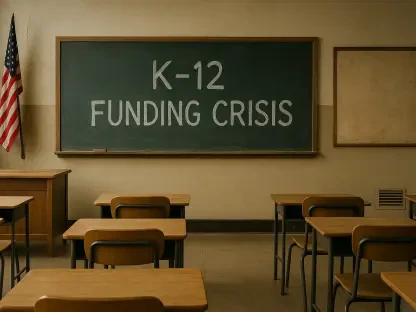

Skeptics of the tax renewal argue that the district should prioritize teacher salaries within its existing multi-billion dollar budget rather than requesting additional funds. This fundamental disagreement lies at the heart of a heated community debate as residents prepare to cast their votes on a 1-mill property tax levy. The tax is not a new burden but a continuation of a financial measure that has provided hundreds of millions of dollars to the School District of Palm Beach County over the last four years. In the current economic climate of 2026, many homeowners are scrutinizing their tax bills more closely than ever, weighing the necessity of public school funding against their own rising costs of living. Proponents suggest that the levy is the only way to maintain the high standards of education and safety that the county has come to expect. Conversely, the opposition frames the vote as a necessary check on administrative spending and a call for a fundamental restructuring of how the district manages its funds. This local decision serves as a bellwether for how large school districts navigate the tension between public funding and accountability.
Financial Allocations and Staff Support
Sustaining Competitive Salaries: Funding the Future
The primary pillar of the referendum’s financial strategy is the preservation of competitive compensation for the district’s teaching staff. Currently, approximately half of the revenue generated by the levy is dedicated to teacher salaries, serving as a critical supplement in a region where the housing market remains exceptionally high. District officials have calculated that without these funds, educators could face an immediate annual pay reduction of roughly $8,000, a blow that many believe would trigger a mass exodus of qualified talent. In 2026, the ability to recruit and retain experienced teachers is a major competitive advantage, and the supplement helps the district stay on par with other large metropolitan areas in Florida. Beyond basic retention, this funding allows for targeted incentives for those working in high-needs schools. This creates a stable environment where students can benefit from the continuity of having experienced professionals in the classroom rather than a rotating door of staff.
Supporting Enrichment Programs: Enhancing the Curriculum
In addition to salary support, the property tax revenue serves as the lifeblood for enrichment programs and mental health services that often fall outside the scope of traditional state funding. Over $100 million is specifically allocated to maintaining fine arts, music, and physical education, ensuring that students receive a well-rounded education that fosters creativity and physical well-being. Furthermore, the levy funds innovative projects like AgriLabs, which introduce younger students to agricultural science. Safety is another major focus, as the revenue pays for security officers who go beyond the state-mandated minimums to provide coverage for after-school events and emergency response teams. The district has also prioritized mental health by hiring Behavioral Health Professionals to support students facing emotional or developmental challenges. These roles are essential for creating a safe and productive environment where every child has the resources to succeed. Without this funding, many vital services would be curtailed.
Perspectives on Fiscal Responsibility and Choice
Addressing Fiscal Responsibility: Management and Waste
Opposition to the tax renewal often centers on the belief that the school district must demonstrate greater fiscal responsibility before asking the public for more money. Many taxpayers feel that a multi-billion dollar budget should be more than sufficient to cover essential costs like teacher pay and school safety without relying on a supplemental property tax. Critics frequently point to administrative overhead and what they perceive as inefficient spending within the central office as areas where cuts should be made to prioritize the classroom. There is a sense of taxpayer fatigue in 2026, as residents grapple with the effects of inflation and higher property valuations that have naturally increased their tax contributions even without a rate hike. For these voters, rejecting the referendum is not an act against education, but rather a demand for a fundamental restructuring. They argue that institutional accountability is the only way to ensure that public funds are being used effectively for the benefit of students.
Evaluating Educational Choice: The User-Pays Model
The shifting educational landscape has also introduced a new dimension to the debate, as more families move toward homeschooling, private education, and localized learning pods. This trend has fostered a user-pays philosophy, where property owners who have opted out of the public system feel they should not be required to subsidize it through additional levies. Many parents who have chosen alternative paths argue that the district needs to address the root causes of declining enrollment and public dissatisfaction rather than seeking more financial support. In their view, the competition provided by private and charter options should serve as a catalyst for the public system to innovate and improve its efficiency. As the number of families utilizing modern educational alternatives continues to grow, the traditional model of broad property tax support faces increasing scrutiny. For many, the referendum provides a chance to signal that the district must earn its funding through performance and parent satisfaction.
Forging a Path Toward Sustainable Educational Funding
The debate regarding the property tax renewal reflected a complex intersection of community values and economic realities. Moving forward, it was clear that the school district needed to bridge the gap between its funding requirements and the public’s demand for transparency. Implementing a more granular reporting system allowed residents to see the direct impact of their contributions, which served to rebuild trust over time. The focus transitioned toward exploring diversified revenue streams, such as corporate partnerships and federal grants, to reduce the heavy reliance on local property owners. For those families who had moved toward alternative education, the district began developing programs that allowed homeschool and private school students to participate in public enrichment activities. Ultimately, the community recognized that the success of local schools was intrinsically linked to the region’s economic health. By prioritizing both teacher retention and fiscal discipline, the district aimed to foster a sustainable future.