
The upcoming ballot measure in Liberty represents a critical juncture for a community that has historically prided itself on maintaining high academic standards while balancing the fiscal concerns of a growing population. Residents are currently evaluating a proposed half-cent sales tax dedicated to school infrastructure, a move intended to generate millions without increasing property levies. This proposal arrives as the district faces maintenance backlogs that threaten the longevity of facilities constructed during previous expansion periods. While the school board emphasizes these funds are essential for safety, some taxpayers remain wary of additional financial burdens given broader economic pressures. The tension between investment and tax relief has become the central theme of community debates. Decision-makers must now determine if the benefits of modernized classrooms outweigh the incremental cost to consumers at the checkout counter during this pivotal voting cycle.
Balancing Infrastructure: Fiscal Responsibility
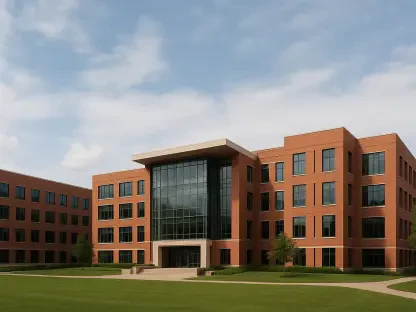
Maintaining a modern learning environment requires consistent capital, yet the current funding model for Liberty Public Schools relies on reserves that are nearing exhaustion. District administrators identified several key projects, including replacing antiquated HVAC systems at Liberty High School and expanding security vestibules across elementary campuses to meet safety protocols. By proposing a sales tax rather than a property tax increase, the board aims to capture revenue from non-residents who utilize local retail corridors, diversifying the tax base. This strategy reflects a trend among high-growth districts seeking sustainable ways to fund renovations without discouraging residential development. However, the effectiveness of this approach hinges on the continued vitality of the local retail sector, which must remain competitive against neighboring municipalities. Ensuring these funds are locked into capital improvements remains a top priority for those overseeing the strategic plan.
Beyond structural repairs, the proposed tax revenue is slated to facilitate the integration of advanced instructional technology and modular learning spaces that align with modern pedagogical standards. Classrooms built decades ago often lack the electrical capacity and design required for the collaborative, tech-heavy environments that prepare students for contemporary career paths in engineering. Investing in these upgrades ensures that Liberty remains a destination district, which supports local property values and attracts businesses looking for a skilled future workforce. Critics of the measure point to the potential for cost overruns and question whether projected revenue will be sufficient to cover the extensive list of deferred maintenance. They argue for a conservative approach that prioritizes immediate repairs over aesthetic overhauls, suggesting internal efficiencies should be explored first. This debate highlights the difficulty of modernizing education while maintaining strict discipline.
Public Sentiment: Economic Implications
Public discourse surrounding the sales tax has been marked by high engagement, with advocacy groups utilizing local forums to present data-driven arguments to the electorate. Proponents highlight that a failure to pass the measure could result in a shift toward emergency repairs, which are more expensive than proactive maintenance and cause classroom disruptions. They emphasize the competitive nature of the suburban school landscape, where high-quality facilities serve as a primary draw for families. Conversely, opponents raise concerns about the regressive nature of sales taxes, which can disproportionately affect lower-income households. This demographic tension suggests that the margin of victory will likely depend on the turnout of younger families versus older residents on fixed incomes who may not see direct benefits. The outcome will serve as a barometer for the community’s priorities as they navigate the complexities of municipal funding and excellence in the current era.
The deliberations over the school sales tax highlighted a need for increased transparency and a granular breakdown of how every dollar was allocated across the district. Community leaders recognized that building trust required more than general promises; it demanded a detailed roadmap that was accessible to every taxpayer. Moving forward, the district sought to implement oversight committees composed of local professionals to monitor spending and ensure projects remained within their budgets. This proactive stance helped mitigate skepticism and provided a model for future civic initiatives where financial accountability was paramount. Ultimately, the emphasis shifted toward fostering a collaborative environment where residents felt empowered to participate in the vision for local education. By prioritizing clear communication and specific goals, the community established a foundation for sustainable growth that balanced fiscal caution with a commitment to providing quality resources for students.