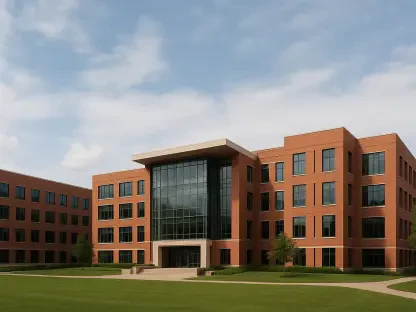

The prestigious reputation of Syracuse University, long defined by its storied communications school and competitive athletic programs, currently faces an unprecedented fiscal test that threatens to reshape its institutional identity. For decades, the university relied on a steady influx of high-tuition students and a robust endowment to fund its expansive campus and faculty research initiatives. However, the landscape of higher education changed rapidly as the decade progressed, leading to a situation where traditional revenue streams no longer cover the rising costs of maintaining a modern global university. This shift is not merely a temporary dip in funding but a systemic challenge rooted in the changing demographics of the Northeastern United States and a national debate over the true value of a private university degree. As administrative costs soared, the leadership at Syracuse found itself grappling with a deficit that requires more than simple budget cuts to resolve effectively.
Strategic Adaptation: Addressing Enrollment Declines and Cost Management
The primary driver behind the current fiscal instability stems from a significant contraction in the traditional college-aged population, a phenomenon that has hit private institutions in the Northeast particularly hard. From 2026 to 2028, the number of high school graduates across the region is projected to decline even further, intensifying the competition for a shrinking pool of qualified applicants who are increasingly price-sensitive. Syracuse University, which has historically maintained a high sticker price, now competes with well-funded public state systems that offer similar prestige at a fraction of the cost. To maintain its enrollment numbers, the university has been forced to increase its discount rate, offering more institutional aid and scholarships to attract students who might otherwise choose more affordable options. While this strategy keeps the classrooms full, it significantly erodes the net tuition revenue necessary to sustain faculty salaries and campus infrastructure.
Furthermore, the shift in student preferences toward vocational outcomes and STEM-focused careers has placed immense pressure on Syracuse to reinvest in expensive laboratories and technological infrastructure. While the Newhouse School remains a crown jewel, the broader liberal arts curriculum has seen a cooling interest, leading to underutilized resources in traditional departments that still require full funding. Simultaneously, international enrollment, once a reliable source of full-pay tuition, has faced geopolitical headwinds and increased competition from universities in Europe and Asia. These external factors combined to create a perfect storm where the cost of acquiring a new student often exceeds the long-term revenue they provide during their four-year tenure. This economic reality necessitated a pivot toward more aggressive online master’s programs and continuing education initiatives, though these new ventures often require high initial marketing costs.
To address these challenges, the university administration implemented a multi-year recovery plan that focused on streamlining administrative functions and prioritizing programs with high growth potential. They sought to diversify revenue by leveraging university-owned real estate for public-private partnerships and expanding professional certification programs that catered to the local workforce. Financial leaders explored aggressive debt restructuring to lower interest payments while simultaneously launching a targeted capital campaign aimed at increasing the restricted endowment for student aid. By 2026, the strategy shifted toward a lean university model where cross-departmental collaboration replaced siloed operations to reduce redundancy. These steps demonstrated that Syracuse recognized the need for a fundamental shift in its business model to survive an era of fiscal austerity. The focus turned toward ensuring that every dollar spent directly contributed to student success, proving that even legacy institutions had to adapt to stay relevant.