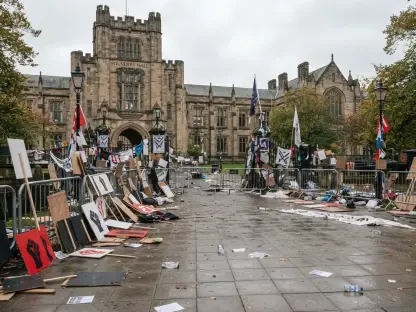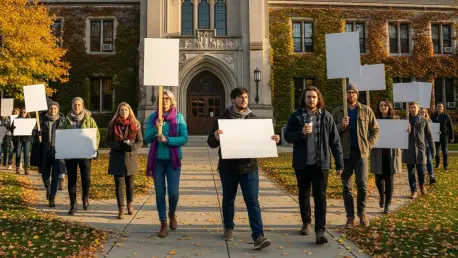

The silence in the lecture halls of the University of Illinois Springfield finally broke this week, not with the sound of a routine bell, but with the weary return of professors who had spent the last seventeen days on the picket lines. This historic demonstration, the longest in the institution’s history, reached a tentative conclusion following a series of grueling, marathon bargaining sessions that stretched late into the weekend. While the physical presence of strikers outside campus buildings has vanished, the underlying reasons for the walkout remain etched into the university’s culture as administrators and faculty navigate a fragile truce. The conflict was not merely about a few percentage points on a paycheck; it represented a fundamental disagreement over the valuation of academic labor and the future direction of the university. As students prepare for the final stretch of the semester, the focus shifts from the pavement of the picket line back to the rigors of the classroom setting.
Economic Disparities and Modern Academic Safeguards
The primary catalyst for this historic disruption was a significant impasse regarding financial compensation that had lingered since the previous contract expired back in August. For months, the UIS United Faculty and the university administration remained locked in a stalemate, unable to bridge the gap between a proposed one percent salary increase and the nearly three percent sought by the union. Beyond the base salary figures, negotiations were further complicated by disagreements over starting salaries for new hires and the rising costs of campus parking fees, which many faculty members viewed as an unnecessary financial burden on employees. This economic friction served as a symbol of broader frustrations regarding how resources are allocated across the campus. The union argued that without competitive wages, the university would struggle to retain high-quality educators, eventually diminishing the overall value of the degrees offered to the student body at this public institution.
In addition to traditional financial concerns, this labor dispute highlighted the urgent need for contemporary policy frameworks regarding the integration of artificial intelligence within the academic environment. Faculty members pushed for the establishment of clear guidelines and protections that would define how AI technologies are utilized in teaching and research, ensuring that these tools enhance rather than undermine human instruction. This specific point of contention reflects a growing trend across higher education in 2026, where educators are demanding a seat at the table to discuss the ethical and practical implications of digital automation. By insisting on these safeguards, the union sought to preserve the integrity of the educational process against rapid technological shifts that could otherwise be implemented unilaterally by the administration. The resulting tentative agreement acknowledges these modern challenges, setting a precedent for how universities might handle the evolving intersection of technology and labor rights.
Administrative Friction and the Call for Accountability
A central theme throughout the seventeen-day strike was the deepening rift between the faculty body and the university’s top executive leadership, specifically directed at Chancellor Janet Gooch. Union representatives frequently voiced sharp criticisms regarding what they characterized as administrative bloat, pointing to an perceived imbalance between the expansion of high-level management roles and the investment in frontline academic staff. This tension was exacerbated by the perceived lack of direct engagement from the Chancellor during the initial stages of the bargaining process, which many faculty interpreted as a disregard for their professional contributions. The strike served as a public platform for these grievances, turning a contract dispute into a broader referendum on the current management style of the institution. Even with a tentative deal in hand, the union has remained vocal about its lack of confidence in the current leadership, suggesting that the structural problems within the administration will require more than just a new contract to resolve.
Despite the intensity of the rhetoric, the decision to suspend the strike and return to the classroom was largely driven by a pragmatic desire to protect the academic interests of the students. As final exams and graduation ceremonies loomed on the horizon, faculty members recognized that continued absence from instruction could jeopardize the graduation timelines and academic success of the very individuals they serve. This pivot allowed the university to resume its core mission while the details of the agreement undergo the formal ratification process required by union bylaws. However, this return to work should not be mistaken for a complete endorsement of the university’s fiscal priorities or administrative philosophy. Instead, it represented a strategic choice to minimize the collateral damage to the student population while maintaining pressure on the administration through other institutional channels. The pause in the strike provides a temporary window of stability, but the underlying sense of urgency regarding leadership changes continues to simmer just beneath the surface.
Future Implications and Professional Reconciliation
The path forward now depends heavily on the formal ratification vote by the union membership, which will determine if the terms of the tentative three-year agreement are truly acceptable to the rank and file. Until this process is completed, the university has maintained a focus on logistical recovery, instructing students to closely monitor the Canvas course management system for real-time updates regarding their specific syllabi and assignment schedules. This transition period is critical for rebuilding the instructional momentum that was lost during the two-week hiatus, as both students and professors work to compress the remaining curriculum into the final weeks of the term. The administration has emphasized its commitment to a student-centered experience, yet the shadow of the strike remains as the campus community analyzes the specific concessions made during the weekend’s marathon sessions. The details of the contract, once released, will likely serve as a roadmap for other institutions facing similar labor tensions in the current economic climate.
Moving forward, the University of Illinois Springfield must prioritize a comprehensive review of its administrative structure to address the long-standing concerns regarding pay equity and institutional transparency. To foster a more collaborative environment, leadership should establish a permanent faculty-administration task force dedicated to monitoring the implementation of new artificial intelligence policies and salary adjustments. This proactive approach would ensure that future negotiations are grounded in mutual understanding rather than escalating into prolonged disruptions that affect the entire campus community. The institution also needed to invest in more robust internal communication channels to prevent the kind of information vacuum that allowed tensions to reach a breaking point during this historic strike. By focusing on these structural improvements, the university could begin the difficult work of reconciliation while reinforcing its commitment to high-quality public education. Ultimately, the lessons learned from this 17-day conflict provided a clear mandate for institutional reform and a renewed focus on the equitable treatment of all academic stakeholders.