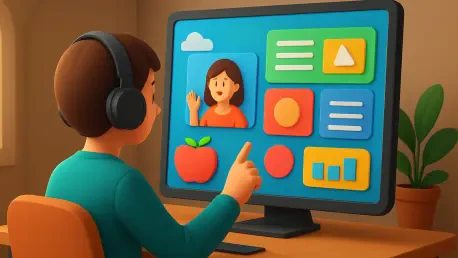

The trauma-informed pedagogical model prioritizes emotional regulation and psychological safety for students who are currently in a state of hyper-arousal due to family displacement. This specialized approach serves as the backbone of a collaborative pilot program involving McAuley Community Services for Women, MacKillop Education, and Monash University. The initiative addresses a critical gap in the Australian education system by providing virtual, structured lessons to primary-aged children residing in crisis accommodation such as motels and refuges. By establishing a digital classroom environment, the program seeks to prevent the academic degradation that often accompanies domestic instability. These students frequently experience profound disruptions to their routines, which can lead to permanent learning deficits if left unaddressed. The virtual format allows for a sense of normalcy in an otherwise chaotic situation, ensuring that the fundamental right to education remains accessible regardless of a family’s physical location or immediate safety concerns.
Strategic Educational Interventions in Crisis Management
Implementing Virtual Classrooms: A Bridge to Stability
Functioning primarily as a short-term educational bridge rather than a permanent replacement for traditional schooling, the initiative provides two hours of daily online instruction. This curriculum is strictly aligned with the Victorian Curriculum to ensure that students do not lose their academic footing while their families are navigating the complexities of finding permanent housing. A key element of this model is the commitment to consistency; children work with the same educators daily, which helps to build the trust necessary for effective learning. These instructors utilize trauma-informed techniques that acknowledge the child’s current psychological state, focusing on regulation before moving to instruction. This method recognizes that a brain in survival mode cannot process complex information efficiently. By maintaining this steady connection to a teacher, children are less likely to experience the isolation that typically follows a sudden departure from their home and local school community.
Scaling Support to Match the Scope of Dislocation
Data from the 2026 reporting period indicates that the scale of this crisis is significant, with over 6,000 children in Victoria alone requiring emergency housing due to domestic instability. Family violence remains the primary driver for approximately 42% of these cases, highlighting the intersection between safety and education. Current educational infrastructures are often ill-equipped to track or support such highly mobile populations. When families are forced to move between temporary shelters, children frequently disappear from official records, resulting in significant gaps in their educational history. Experts note that without a centralized digital system or a flexible program like this virtual pilot, these students are at high risk of falling through the cracks. The absence of a stable school environment often leads to a loss of essential social networks and community support, which are vital for a child’s resilience and long-term development during these periods of family transition.
Reforming Educational Interventions for Vulnerable Youth
Uncovering Latent Challenges through Research Findings
Research conducted by Monash University reveals a troubling disconnect between educational institutions and families experiencing domestic trauma. Studies indicate that only 12% to 17% of students or their guardians feel comfortable disclosing their situation to school staff, often due to a fear of being judged or misunderstood by authority figures. Furthermore, the research identifies a phenomenon known as educational sabotage, where perpetrators of abuse intentionally disrupt a child’s learning by withholding necessary technology or internet access. This calculated tactic further isolates the victim-survivor and their children, making it difficult to maintain academic progress. Many students who do attempt to engage with their local schools find that the staff are not sufficiently trained to handle such disclosures sensitively. This often leads to the student feeling dismissed or re-traumatized by the very people intended to support them, reinforcing the need for a specialized response.
Developing Actionable Strategies for Sustainable Growth
The pilot program demonstrated that a more robust framework was necessary to protect the educational rights of children fleeing violence. To address these systemic failings, stakeholders identified that school leadership needed to implement specialized training focused on trauma-informed responses to handle disclosures effectively. It was determined that academic and attendance policies required significant adaptation to accommodate the volatile schedules of families in crisis. Schools established clearer referral pathways to external specialist services, ensuring that academic support was coupled with holistic care. The success of this digital initiative highlighted that philanthropic funding alone was insufficient for long-term sustainability; therefore, advocates urged government bodies to integrate these virtual programs into the state educational budget. By prioritizing these structural reforms, the community sought to ensure that safety and academic achievement were no longer mutually exclusive for vulnerable youth.