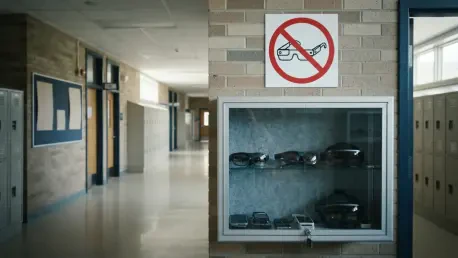

The outcome of this technology policy will depend on the state’s ability to balance its safety objectives with legal obligations toward inclusive education. As the Victorian Government prepares to implement a comprehensive ban on smart glasses and wearable electronic devices in schools starting in 2027, the move signals a major shift in how digital surveillance and classroom focus are managed within the Australian education system. Building upon the groundwork laid by previous restrictions on mobile devices, this new mandate seeks to address the evolving nature of personal technology that can record video and capture audio without detection. The policy aims to create a sanctuary for learning where students are protected from the potential risks of covert filming and persistent digital distractions. However, the announcement has immediately ignited a debate regarding the practicalities of enforcement and the ethical implications of restricting tools that may serve dual purposes as both consumer gadgets and essential aids.
Expanding the Scope of Digital Restrictions
Policy Integration: Campus and Stakeholder Standards
For government schools across the state, the directive represents a significant escalation of authority, as the prohibition extends beyond the student body to include all adults on campus. This includes teachers, administrative staff, parents, and even community volunteers, who will be required to remove or store smart glasses during school hours and at official events such as excursions or overnight camps. The rationale behind this broad application is to foster a uniform environment of privacy where every individual feels secure from unauthorized recording. Government officials have pointed to the measurable success of the mobile phone ban observed through 2026, which reportedly facilitated better interpersonal socialization and a marked reduction in cyberbullying incidents during school hours. By treating smart glasses with the same level of scrutiny, the administration hopes to pre-emptively solve the next generation of privacy challenges before they become unmanageable.
Logistical Challenges: Institutional Enforcement
While the most stringent rules apply to government-run institutions, the policy framework also encompasses the Catholic and independent school sectors, ensuring a standardized approach to digital safety across the state. This unified front is intended to prevent a fragmented educational landscape where privacy protections vary significantly from one campus to another. Educational leaders have emphasized that the inclusion of wearable tech is a necessary response to the rapid miniaturization of optical sensors and the increasing difficulty of distinguishing between traditional eyewear and sophisticated recording devices. However, the logistics of monitoring such equipment present a daunting task for school staff who are already managing complex classroom environments. The transition period leading into 2027 will be critical for developing clear guidelines that help administrators identify banned hardware without infringing upon the personal property of students who may be wearing high-end but non-smart frames.
The Intersection of Accessibility and Surveillance
Addressing the Rights: Students With Disabilities
Despite the stated intentions of protecting student privacy, the initiative has met with significant resistance from advocacy groups such as Vision Australia, who argue that the policy could inadvertently marginalize students with disabilities. For many individuals with low vision or legal blindness, smart glasses are not mere leisure gadgets but are instead vital assistive tools that offer real-time text-to-speech capabilities and navigation assistance. Critics contend that the current language of the ban characterizes these essential accessibility devices as distractions or security threats, potentially creating a stigma for those who rely on them to participate in the curriculum. While the government has promised that reasonable adjustments will be permitted for those with documented needs, advocates fear that the resulting bureaucratic hurdles will delay access to education. They maintain that a lack of prior consultation with the disability community has led to a policy that values administrative ease over genuine inclusion.
Strategic Resolutions: A Framework for Inclusion
The broader implications of this decision were reflected in a growing trend of local council regulations that sought to limit the use of wearable recording technology in public facilities like swimming pools and playgrounds. This movement underscored a societal shift toward prioritizing personal privacy in shared spaces, even as the line between assistive technology and surveillance hardware continued to blur. As the 2027 implementation date approached, the necessity for a more nuanced dialogue between policymakers and technology developers became increasingly apparent to ensure that safety measures did not compromise the rights of the visually impaired. Ultimately, the state government moved toward a framework that required schools to proactively integrate accessibility experts into their planning committees to streamline the exemption process. By refocusing on collaborative solutions, the educational community worked to uphold privacy standards while ensuring that no student was left behind due to a lack of access to essential navigating equipment.