
Local healthcare providers including St. John’s and Hillcrest are donating decommissioned supplies to ensure that medical education is accessible without taxpayer expenditure. This strategic collaboration between Union Public Schools and the Youth Medical Mentorship program has fundamentally redefined how vocational training is funded and executed in the current school year. Instead of relying on expensive, generic training kits, students are now working with authentic materials that have been cycled out of active hospital rotations. This initiative creates a unique synergy between local industries and the academic community, transforming what was once considered waste into a high-value educational asset. By integrating these resources into the curriculum, the school district is providing a level of realism that was previously unattainable for most public institutions. This hands-on approach encourages younger students to explore complex scientific concepts through direct engagement with tools of the medical profession.
Transforming Surplus into Educational Assets
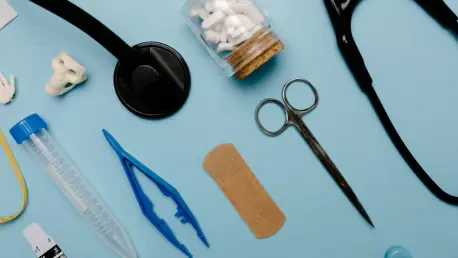
The logistical backbone of this program revolves around the systematic collection and distribution of surplus medical equipment that has reached its official clinical expiration. During specialized events known as “trailer days,” local hospitals contribute a vast array of items, including surgical tools, protective gear, and diagnostic apparatus that can no longer be used for patient care but remain perfectly safe for instructional simulations. Through these coordinated efforts, the district has managed to secure approximately $140,000 worth of sophisticated medical equipment without exhausting public funds. This method of community circularity not only provides students with a diverse toolkit for learning but also serves as a model for sustainable resource management within the education sector. By inventorying and cleaning these items, high school students gain an appreciation for the financial and operational complexities of the healthcare industry while simultaneously preparing materials for their peers.
This strategy effectively addresses a historical imbalance in STEM education, where the “medicine” and “biology” components often lack the tactile resources typically found in physics or engineering classrooms. By providing elementary teachers with comprehensive curriculum kits, the program ensures that high-quality scientific exploration is not limited to specialized high school labs. These kits are designed to be mobile and adaptable, allowing for a wide variety of classroom activities that introduce fundamental concepts of human anatomy and clinical hygiene. Furthermore, the environmental impact of this initiative is substantial, as it diverts significant volumes of non-biodegradable medical plastics and metals from regional landfills. Instead of entering the waste stream, these materials are repurposed as instruments of inspiration, proving that educational excellence can be achieved through thoughtful local collaboration and a long-term commitment to innovative and eco-conscious pedagogical practices.
Student Leadership and Real-World Project Management
Students from the Tulsa Tech biomedical program and the Union Medical Academy have taken on primary leadership roles, acting as the operational bridge between the donated goods and the classroom. These older students are responsible for more than just physical sorting; they manage the entire supply chain, ensuring that every curriculum kit is complete, sanitized, and instructionally sound. By serving as project managers, they develop professional competencies such as inventory control, quality assurance, and organizational communication. This level of responsibility mirrors the demands of a modern clinical environment, where resource management is just as critical as technical proficiency. These high school leaders must evaluate the utility of each donated item and determine how it can best be integrated into a lesson plan for younger children. This dual-purpose role allows them to reinforce their own knowledge of medical procedures while gaining experience in educational leadership and large-scale coordination.
The collaborative nature of this process encourages a sense of ownership among the students, who see the direct impact of their work on the local elementary schools. Working in teams, they utilize scanning technology and digital inventory systems to track thousands of individual components, ranging from simple gauze to complex intravenous trainers. This rigorous attention to detail ensures that the transition from a hospital setting to a classroom environment is seamless and professional. Moreover, this experience provides these students with a competitive edge when applying for post-secondary education or entering the workforce, as they can demonstrate practical experience in managing high-value assets and community outreach initiatives. The mentorship aspect of the program also strengthens the bonds between different age groups within the school district, creating a cohesive culture of academic excellence and actively building a foundation for future leaders in the regional healthcare sector.
Psychology of Learning and Workforce Growth
A primary goal of introducing medical curriculum kits at the elementary level is to fundamentally shift how children perceive the healthcare system. For many young students, a doctor’s office or hospital is a place associated with illness, anxiety, and unfamiliar equipment. By bringing these clinical tools into the safe and familiar environment of the classroom, the program demystifies the medical profession and replaces fear with curiosity. Children are encouraged to handle the instruments, learn their names, and understand their functions in a low-stakes, playful setting. This early exposure helps to break down the psychological barriers that often prevent students from pursuing rigorous scientific disciplines later in their academic careers. When a child can put on a stethoscope or handle a simulated syringe, the medical field moves from a distant, intimidating reality to an accessible and exciting possibility. This shift is crucial for developing a generation of students who act as science participants.
The long-term success of this educational model demonstrated the power of aligning industry surplus with academic goals to create a self-sustaining talent pipeline. Moving forward, healthcare institutions prioritized the expansion of these donation programs to include more specialized simulation technologies and remote internship opportunities. Residents also played a key role by supporting infrastructure that funded the facilities necessary for these advanced medical programs. By maintaining this synergy, the community ensured that students were prepared for the challenges of a rapidly evolving medical landscape. The program finalized its initial expansion phase by establishing a mentorship network where professional practitioners provided direct feedback on the student-led curriculum kits. This collaborative approach solidified the transition from simple classroom activities to a workforce development strategy. Redirecting these resources helped the community realize that the potential for educational innovation was virtually limitless and highly scalable.